We use cookies to ensure you get the best browsing experience. By continued use, you agree to our privacy policy and accept our use of such cookies. For further information, click FIND OUT MORE.
Make this your preferred source to get more updates from this publisher on Google.
Metro Manila may be the center of business and development in the Philippines, but it can also be an unforgiving place to live. According to a 2010 report from the National Statistics Office, 12 million people, or 13 percent of the Philippines’ population, live in Metro Manila. Among this dense, quick-moving crowd live many internal migrants, or those who moved to the city from rural areas. But while they left the province to seek the ‘Great Manila Dream,’ many find themselves pushed to be margins of society. In a recent episode of ‘Motorcycle Diaries,’ Jay Taruc met some of these internal migrants, who shared their stories of Manila and their dreams of returning to the province.
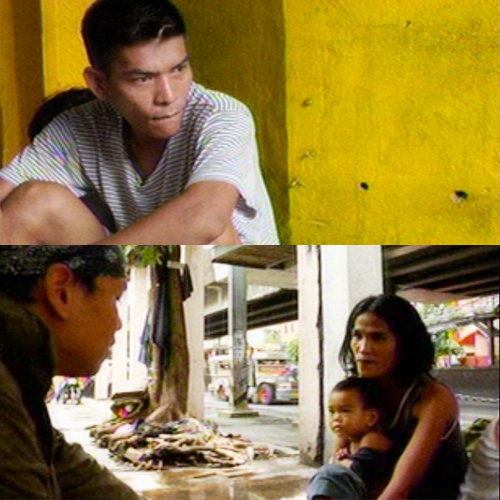
Aaron and Nini left their home in Hagonoy, Bulacan hoping for a better life in Manila. However, their family has spent the last three months living in the streets of the city. “Nagbakasakali [kami.] Eh mas mahirap pala rito—walang matutuluguan,” says Aaron. “Kapagumuulan, wala kayong masilungan na maganda, wala kayong mahigaan. Kaya yung mga bata, nagkakasakit.” Aaron is a barker for the jeepneys in Manila, but in Hagonoy, he was a fisherman. Life there was hard, too—“nakiki-labas ka lang ng bangka. Kung wala pa sa isang banyera ang huli mo, talo ka rin,” says Aaron.
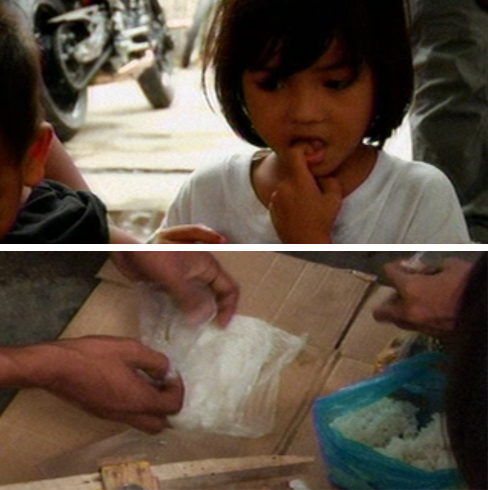
With what he earned for the day, Aaron bought a small meal for his family. While he and Nini want to go back to Hagonoy, it is hard to save up for the transportation expenses; apart from food, they pay to use a bathroom, and recently, Nini had to see a doctor after their neighbor attacked her. Nini says that while she is willing to beg for food for her children, she cannot bring herself to steal. Above all, she wants to go to home. “Sana po makauwi na kami... para makapagpahinga ng maayos,” she says. “Nasasaktan ako pag nakikita kong nahihirapan [ang pamilya ko]. Hindi sila dapat nahihirapan kasi may bahay naman kami [sa Hagonoy].”
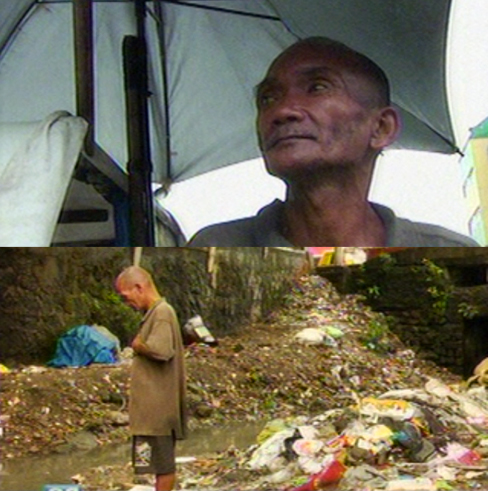
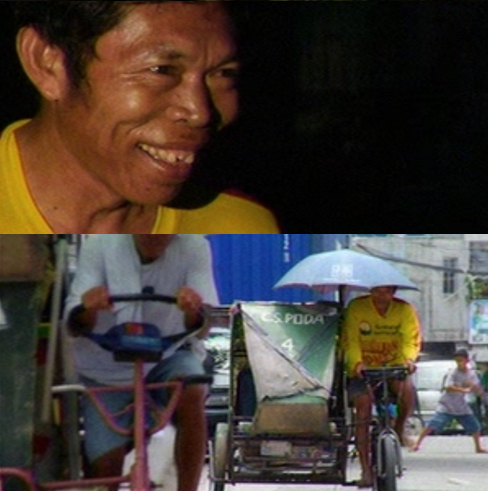
Four decades—that’s how long Mang Boy has been living along NIA Road. Mang Boy decided to leave his home in Bicol after his friends were able to find work in the city.Mang Boy remembers the first time he begged for food: "Gutom na ako nang nakakita akong prutas na itatapon na. Sabi ko, bosing, pahingi nalang niyan.” Mang Boy borrows a sidecar to earn a bit of money. This sidecar isn’t just a source of livelihood to him, but shelter as well. “Ang tinitirhan ko lang po ay loob ng sidecar. Pag umulan, iaangat ko 'yung upuan para hindi ako mabasa,” he says. Mang Boy admits his life in Manila has been far from what he hoped it would be. “Tatlong beses na akong nabangga, dalawang beses akong sinaksak,” he shares. “Pero sa awa ng Diyos nabuhay pa rin ako.” When what he earns from driving a sidecar isn’t enough, Mang Boy picks through garbage for things to sell. He refuses to beg for his meals, saying he’d rather fight through his hunger. He wishes he could go home, he says, but he has no money to do so “May bulsa ako pero walang laman,” he says. “Minsan naiisip ko, sana kunin ako ng Panginoon. Hindi ko nakikita magulang ko dahil wala akong pera,” says Mang Boy. “Maganda sa probinsya. Kaya may kasabihan nga na ang pagsisisi, hindi nauuna. Laging nahuhuli.”
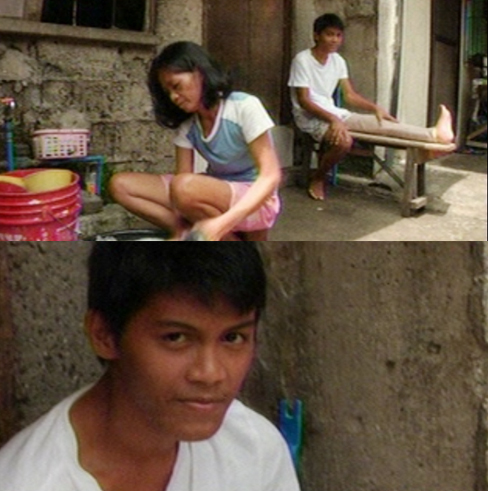
A stray bullet hit Irish Isayas, 18, during the demolition of informal settlements at Silverio Compound. He was on his way to work and dropped his transportation money in the chaos. Irish was trying to pick up his change when he was hit. His family has decided to move back to their province of Samar after 26 years of living in Silverio Compund. However, they must stay in Manila until Irish’s leg is healed.
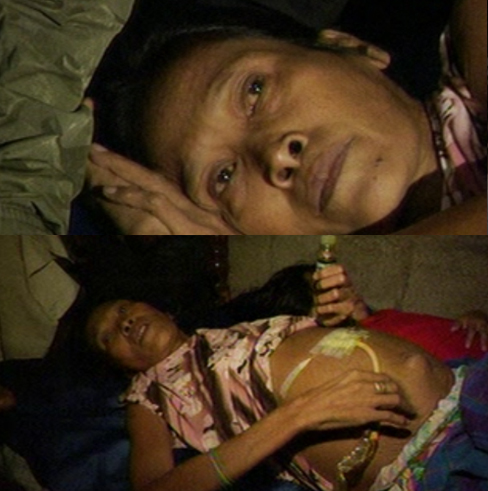
Aling Betty also lives in Silverio Compound with her husband Leo and daughter Rizalyn. She has long been diagnosed with a condition that leaves her stomach bloated and requires immediate treatment; however, she has neither the money for medicine nor for surgery.
Aling Betty and Mang Leohail from Masbate. They moved to Manila in the 1980s with the hopes of getting out of poverty; instead, the opposite happened. When Aling Betty got sick, their dreams of returning home seemed farther than ever. These days, Rizalyn helps take care of her mother. “Sana gumaling na si mama,” says Rizalyn. “Para hindi na siya mahirapan.”
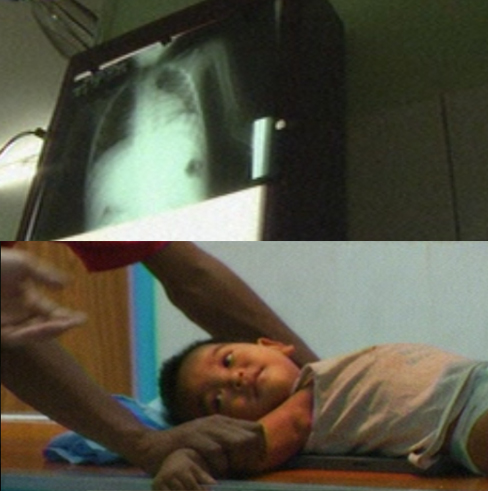
Aaron’s children were diagnosed with pneumonia after being exposed to the elements for three months on the streets of Manila, while doctors told Nini she displayed early warning signs of tuberculosis. Apart from respiratory illnesses, many of those living on the street or below the poverty line are malnourished.
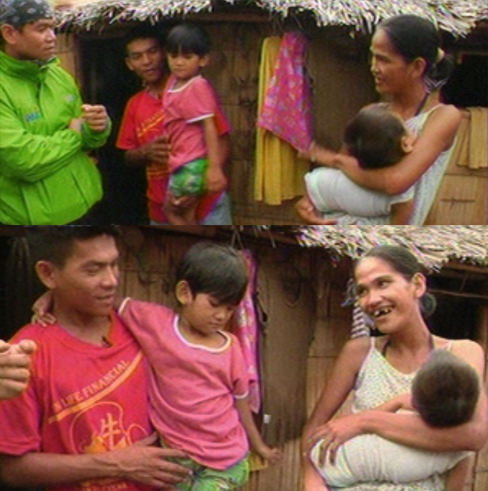
After three months on the street, Aaron and Nini are finally back in Hagonoy, Bulacan. Aaron and Nini smile as they see their eldest son, who stayed behind in the province while the rest of the family went to Manila. Their life here will still be tough, as poverty in rural areas remains a problem in the Philippines. However, they are glad to be home.—Cristina Tantengco/PF, GMA News


 GMA Brandtalk
 Tracking
 Archives