

 GMA Brandtalk
 Tracking
 Archives

Fil-Am leaders urge PH to negotiate remittance tax and product tariffs with Trump
NEW YORK — Filipino American politicians, community leaders, and financial experts are calling on Philippine President Ferdinand "Bongbong" Marcos Jr. to negotiate against two controversial provisions under U.S. President Donald Trump's “One Big Beautiful Bill,” now enacted into law. They argue that these measures—a 1% tax on overseas remittances and a 20% tariff on all Philippine imports to the U.S.—will place an undue burden on Overseas Filipino Workers (OFWs), the Filipino American community, and the Philippine economy.
New York State Assemblymember Steven Raga, the first Fil-Am elected to the New York legislature, urged President Marcos to use his scheduled meeting with former President Trump next week to protect Filipino interests.
"This is going to significantly impact the Filipino American community and everyday Filipino immigrants here in New York. The cost of goods affected by these tariffs will ultimately be passed on to consumers, as business owners are only intermediaries.
So, the consumers of Filipino products—mostly the Filipino community—will have to pay more because of these harsh tariff increases imposed by Trump.
We have a growing Filipino population here, with many Overseas Filipino Workers (OFWs) regularly sending remittances back home. These remittances help keep our families and the Philippine economy afloat.
Therefore, any potential taxes on these remittances or the 20% tariffs should be addressed. I believe President Marcos has a real opportunity to negotiate on behalf of the Filipino community to ease these burdens.”
Raga emphasized that the Filipino population in the U.S. continues to grow and contributes significantly to the U.S. economy through entrepreneurship and essential services.
Asian American and U.S. Congresswoman Grace Meng, who voted against Trump’s bill, warned that the law would punish small businesses and immigrant communities still recovering from the pandemic.
"This is a serious concern for the Filipino American community — and for many other communities here in New York and across the country. The chaos and unpredictability of this policy are hurting our families, our entrepreneurs, and our small businesses.
Many of these businesses already struggled to survive during the pandemic — some barely made it through. And now, after everything they’ve endured, they’re being hit again with these tariffs.
This bill is effectively taking food off the tables of our children and our senior citizens. It’s making it harder to access basic health care. A large number of Filipino Americans work in the health care sector — in hospitals and as caregivers — and this will strip critical funding from our medical institutions.
That means care will be more expensive and harder to access, and our essential workers — who deserve the very best — will be left with even less."
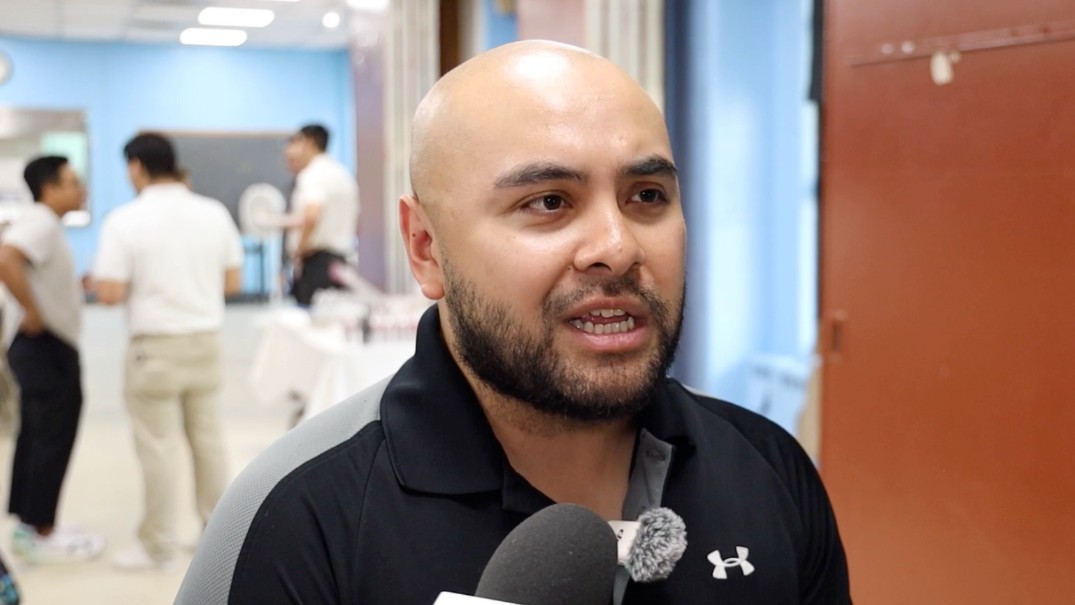
Enzo Manzano, a New York community leader and son of actor Edu Manzano, criticized the law as contradictory to Trump’s campaign promise to “Make America Great Again.”
"He told people he was going to make America great again — that he would help families afford to live here. But everything is too expensive now. Inflation is out of control. This move goes directly against what he promised: to make it easier for people to afford day-to-day living and to buy the essentials their families need to survive.
It contradicts so much of what he campaigned on. It's clear he misled a lot of people. I've been warning about this for a long time — and we’re going to keep fighting back."
Erick Bustamante, First Vice President of the Philippine National Bank (PNB) in New York, stressed the economic risks for the Philippines if the 1% tax on remittances and 20% tariff are not addressed.
"Our president should lobby for the Philippines to be exempted from this bill. In addition, the 20% tariff that the U.S. government plans to impose on Philippine exports should also be a focal point of his discussions with President Trump.
The Philippines has been a long-standing and reliable trading partner of the United States. Imposing a 20% tariff on export-related industries such as garments and electronics will have a severe impact on our economy. Imagine importers turning away from Philippine products because of this high tariff — these industries will suffer greatly. It could lead to lower demand for Philippine goods, including meat products, being shipped to the United States.
As one of the United States' longest-standing allies, the Philippines deserves consideration. I believe our president should push for two things: first, an exemption from the 1% remittance tax; and second, either an exemption from the 20% tariff or a reduction to a manageable level so as not to harm Philippine industries."
With President Marcos expected to meet Trump next week, Filipino leaders are united in calling for strong diplomatic engagement to shield Filipino families, businesses, and the national economy from what they describe as one of the harshest economic policies ever imposed on the Filipino diaspora.
President Marcos is set to arrive in Washington, D.C., on July 20–22 to meet U.S. President Donald Trump at the White House. — RF, GMA Integrated News

