

 GMA Brandtalk
 Tracking
 Archives

Pinoys starting new life in Australia urged to seek mental health support
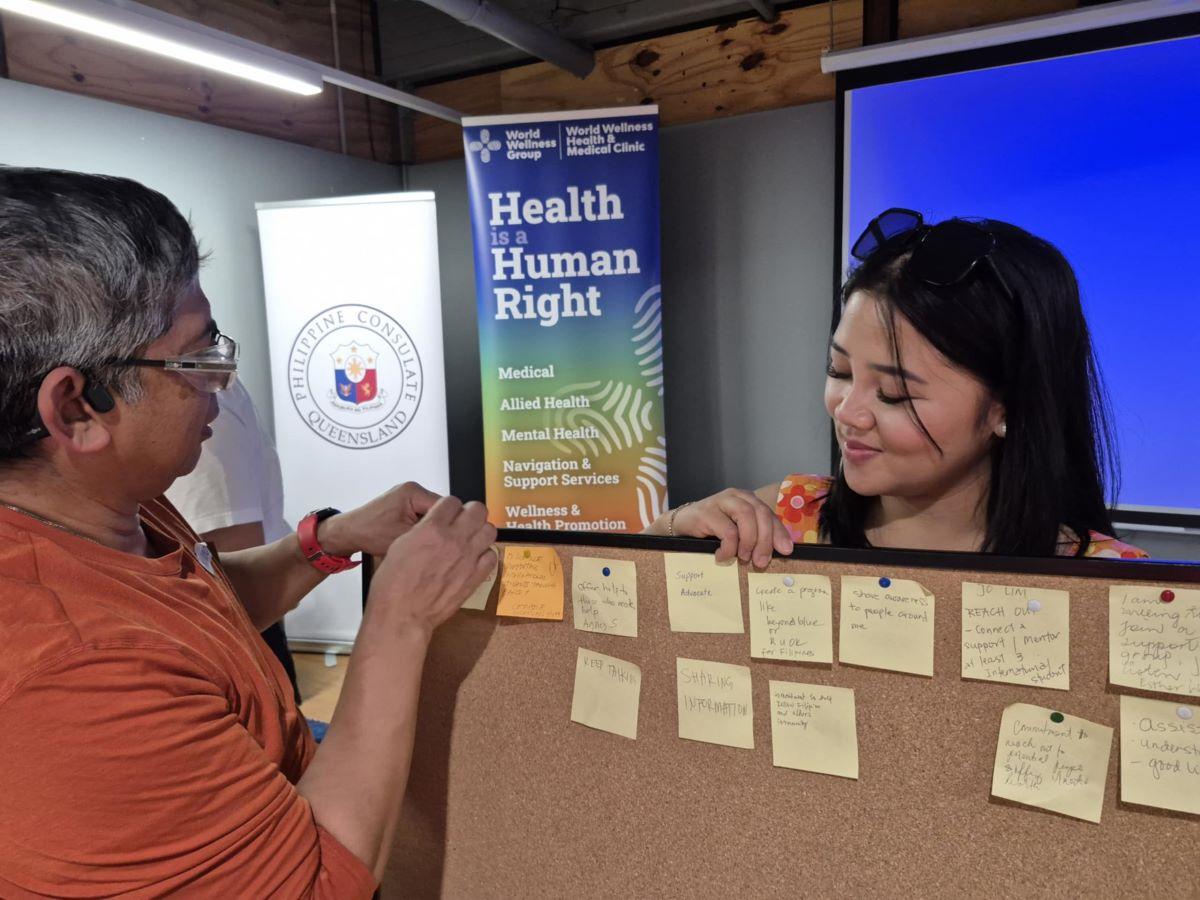
BRISBANE, Australia — In 2015, Maddie dela Paz moved to Australia from the Philippines for a fresh start. Her transition was not easy, as she suffered personal and marital problems over the coming years. In 2020, she finally found the courage to tell her family about her ordeal and battle with depression.
At the recent Bayanihan para sa Kalusugan: Standing Stronger for Mental Health and Social Wellbeing workshop by the Philippine Consulate Queensland in partnership with the World Wellness Group in Brisbane, Maddie shared stories of her journey in Australia.
"I did everything to get back to my normal self... I have mental issues, but that doesn't define me. I am the architect of my happiness," shares Dela Paz.
Aside from her day job, Maddie is part of the Filipino Australian Brisbane Society, Inc. and a former community leader of the Philippine Australian Social Club, Inc.
Migrating to a different country with a different culture is challenging not just financially, but also mentally.
"In the Philippines, we don't talk about mental health because there is a stigma attached to it. Here in Queensland, you can reach out and engage the services the Queensland government provides. Help is always available," said Philippine Honorary Consul to Queensland Atty. Sheryll Lucelle Gabutero.
During the event attended by Filipino community leaders, Gabutero appealed for their support in helping kababayans who are faced with challenges in Australia.
"I know you can make a difference. Let us look after each other," she said.
Resilience
"In multicultural Australia, mental health is much more about well-being. We try to intervene at the community level. It is not just about meds. What we need to work on is resilience. How do we build resilience? Resilience is how you deal with adverse life experiences. How do we keep people well? How do we reduce vulnerability? Community support for people experiencing vulnerabilities is important. How do we intervene early? Community leaders have a sphere of influence, you can make a difference. You can help people by being there in the moment with them," said Ivan Frkovic, Queensland mental health commissioner at the Queensland Government.
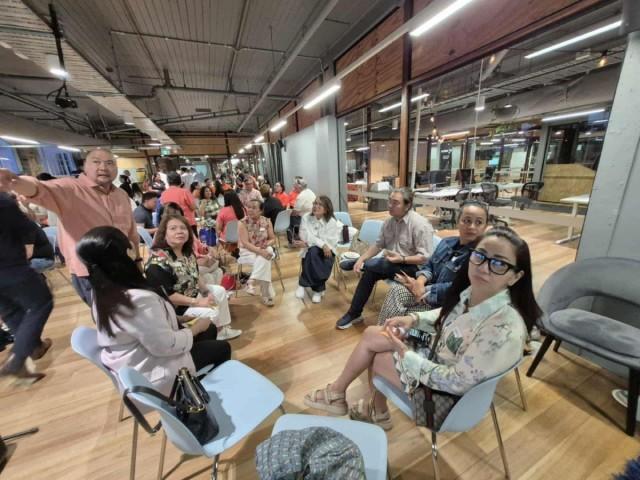
"Please pay attention to your loved ones. Don't judge. Be there for them. Don't argue or discuss. Don't give unsolicited advice. Listen. Just sit still and let them cry. If they say they need you, stay with them," Dela Paz said.
"As Filipinos, we are resilient. We are very happy people, we love gatherings, we love parties. But there are things we cannot cope with when we are alone," said World Wellness Group's programme manager Rodel Josue.
Culture and mental health
Josue said culturally shared beliefs can have an impact on Filipinos' mental health. "Hiya" or shame is a Filipino concept that controls our feelings and perception, he said.
"Utang na loob" or debt of gratitude leads us to try to always please those who have supported us, Josue said, while "bahala na" is being fatalistic. "Pakikisama" or mateship, while giving us strong social connections, also sometimes leads Filipinos to suppress feelings so we can belong or be accepted, Josue added.
"These affect our mental health," he said.
Marina Chand, co-founder and director of the World Wellness Group, said vulnerable Filipinos in Queensland can reach out to the World Wellness Group team to seek help through their hotline, (+61) 1300 079 020, Monday to Friday, during office hours. Callers will be provided support service regardless of their visa status.
"We have Filipino support workers. We provide the cultural bridge. Our staff is very multicultural–95% of our staff come from different cultural backgrounds," she said.
"Culture is at the heart of everything we do. We talk about mental health, By the time we've been here for more than 10 years, our health has gone down. A lot of things happen to us that impact our health. We have programmes that help how to manage daily lives, refugee and asylum seeking, aged care navigation, multicultural connections, migrant legal problems, career support," Chand adds.
"Let us normalize the dialogue about mental health. Let us look after each other. There is always help out there. Bayanihan," said Gabutero. — VDV, GMA Integrated News

