

 GMA Brandtalk
 Tracking
 Archives

Moroccan rapper in Dubai sings about love for Pinoy culture
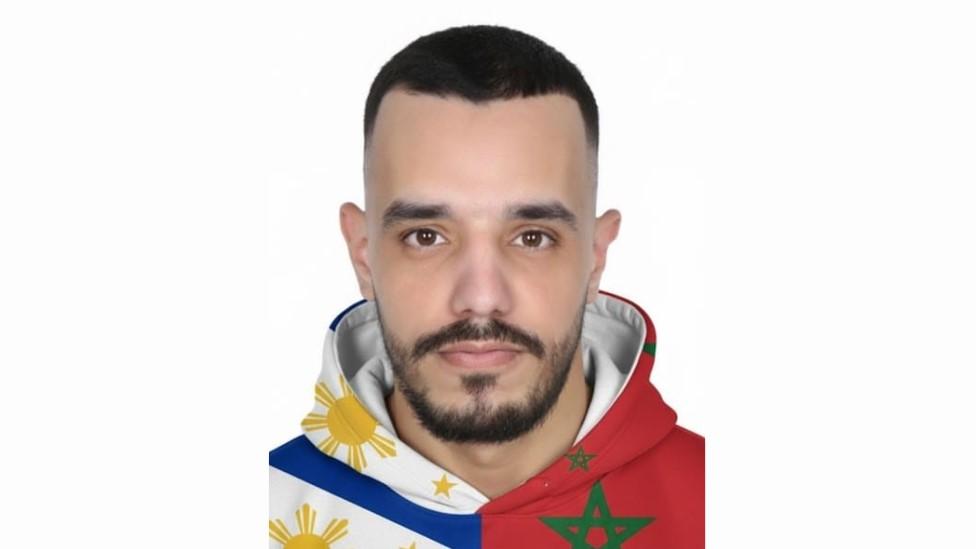
DUBAI, United Arab Emirates – A rapper from Morocco has been singing Tagalog rap songs here in Dubai about overseas Filipino workers (OFWs) and boxing icon Manny Pacquiao, as he has fallen in love with Philippine culture.
Abdelali Essadiki, 32, who goes by the rap name, Mandirigma or warrior, is a personal martial arts coach by day, teaching boxing, kickboxing and Muay Thai, in his capacity as an international taekwondo black belter.
By night, he shows off his musical side on stage or during gatherings, singing the late Freddie Aguilar's hit "Kamusta Ka (How Are You)?" and other Filipino songs.
Essadiki has a deep connection with Pinoy culture as he is married to a Filipina, Neva Gay Casama Sarayno.
After connecting on Facebook in October 2019, the two met in Qatar. Sarayno hails from Bulacan and converted to Muslim. The couple arrived in Dubai in 2023.
People's champ
For Pacquiao, he composed "Igalang ang Kampeon (Respect the champion)." Essadiki described the boxer as someone who, "despite being a world champion, remains humble, respectful, and deeply connected to poor and ordinary people."
"My love for the Philippines started through Manny Pacquiao. That inspired me to learn more about Filipinos. Over time, as I met more people—and especially after getting to know my wife—I experienced genuine care, sincere love, and loyalty. Those values deepened my respect and affection for Filipino culture," Essadiki told GMA News Online Pinoy Abroad.
OFWs
For Filipinos working abroad, Essadiki has "Kapalaran (Fate)," which he says "tells the story of overseas Filipino workers (OFWs)—the sacrifices they make, the loneliness they endure, and the belief that their struggles are part of their destiny in building a better future for their families.”

"Filipinos carry dignity even in hardship, OFWs leave their families, their comfort, and sometimes their dreams, just to give a better life to the people they love. That kind of sacrifice deserves respect, not silence. My music is my way of saying: Nakikita ko kayo (I see you)," he said.
'Powerful'
Essadiki said he has found it amazing that Filipinos "smile even when life is heavy, help others even when they have little and stay humble even when they succeed."
"That spirit is powerful," he said.
Essadiki said he raps in Tagalog to "stand with" Filipinos.
"I rap in Tagalog because music is not about where you came from, but about what you feel and what you respect. Tagalog is the language of the people I sing for. I wanted to learn it, understand it, and honor it properly. When I rap in Tagalog, it's not to imitate Filipinos — it's to stand with them," he said. — VDV, GMA Integrated News

