

 GMA Brandtalk
 Tracking
 Archives

New US green card policy may affect 100k-200k Filipinos - Ambassador Romualdez
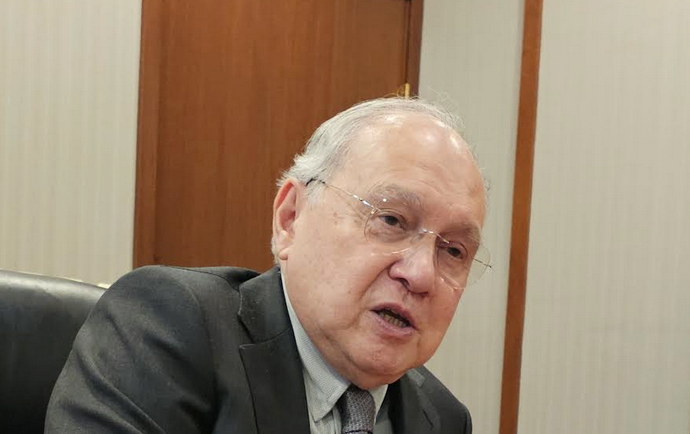
An estimated 100,000 to 200,000 Filipinos may be affected by the new US immigration policy on green card applications for foreign nationals already in the United States, Philippine Ambassador to the United States Jose Manuel “Babe” Romualdez told GMA News.
The policy comes after the US Citizenship and Immigration Services announced that adjustment of status, or applying for lawful permanent residence while inside the US, will be granted only in extraordinary circumstances. USCIS said adjustment of status is a discretionary benefit, while consular processing abroad remains the regular route for immigrant visa applications.
“Ang estimate na binigay sa akin ng mga nakakaalam ay somewhere between 100,000 to 200,000. Siguro estimate pa lang yan dahil alam mo naman marami tayong mga Pilipino that is almost in all the 50 states,” Romualdez said.
(The estimate given to me by those in the know is somewhere between 100,000 and 200,000. Maybe that's just an estimate because you know we have so many Filipinos that are almost in all the 50 states.)
“So we don't really have the exact number. Pero medyo malaki-laki dahil marami nga nakapunta na dito at sila ang nag-apply ng green card dahil meron silang legal path eh,” he added.
(So we don't really have the exact number. But it's quite large because many have been here and they applied for green cards because they have a legal path.)
According to Romualdez, Filipinos in the US who are waiting for their green card applications may now have to return to the Philippines and have their applications processed there.
“Ngayon hindi na puwede yung iintayin nila dito yung green card. Kailangan umuwi muna sila at saka doon ipoprocess,” Romualdez said.
(Now they can't wait here for their green card. They have to go home first and then process it there.)
The ambassador said the rule was explained to them as a way to address cases involving applicants of various nationalities — not specifically Filipinos — who are denied but later do not leave the United States.
“Ang sinasabi nila, pag na-deny tapos hindi na rin umaalis,” he said.
(What they say is they won't leave even though the application was denied.)
Romualdez said another reason explained to them was that the US immigration system and processing centers are already overwhelmed, with millions of applications being handled.
He said processing applications through the US Embassy or consulates in an applicant’s country of nationality, such as the Philippines, may allow officials there to review documents and process immigrant visa applications more directly.
“Talagang yung system nila dito dahil million-million yung pinaprocess nila, talagang matagal ang hintay niyan,” Romualdez said.
(Their system here really is, because they process millions of them, so the wait is really long.)
“Kaya ang ginagawa nila ngayon, pag umuwi sila sa ibang bansa o sa kanilang mga bansa, kagaya tayo o sa mga Pilipino umuwi dyan, yung embassy dyan sa Pilipinas, mas pwede nilang iprocess yan dahil meron silang mga consulate dyan na magtitingin ang mga papeles at sila na mag-a-approve,” he added.
(So what they are doing now, when they return to other countries or to their countries, like us or Filipinos who return home, is the embassy there in the Philippines can process it better because they have consulates there that will evaluate the documents and approve the applications.)
According to Romualdez, this was the process that US officials said they wanted to look at because of the backlog in the United States.
“Yan ang sinasabi sa amin na yan ang process na gusto nilang tingnan kasi overwhelmed na yung kanilang immigration office dito, yung processing centers dito sa Amerika,” he said.
(That's what they're telling us; that's the process they want to look at because their immigration office here, the processing centers here in America, are overwhelmed.)
Romualdez clarified, however, that Filipinos who are already in the Philippines and are waiting for their green card applications to be processed through the US Embassy or consulate should not have a problem.
“Yung mga nasa Pilipinas, walang problema ’yun… tuloy-tuloy pa rin ’yan,” he said.
(Those in the Philippines, that's not a problem... the process continues.)
There may also be possible exceptions, particularly in humanitarian cases, such as elderly applicants or those with compelling reasons not to leave the US while waiting for the result of their application, according to Romualdez.
He advised affected Filipinos to immediately consult their immigration lawyers to determine whether they may qualify for an exception.
“Kailangan tignan na nila yung kanilang lawyer kung paano nila pwedeng ayusin na hindi na sila kailangang umalis kung mayroon silang exception,” Romualdez said.
(They should meet their lawyer to see how they can arrange for them not to have to leave if they have an exception.)
The ambassador also stressed the importance of following US immigration laws, warning that Filipinos without legal status in the country could face detention.
“Pag hindi ka legal dito sa Amerika, talagang puwede kang damputin at ilagay sa detention center,” he said.
(If you are not here legally in America, you can definitely be apprehended and put in a detention center.)
Once a Filipino is placed in a detention center, Romualdez said the assistance that Philippine consulates can provide is limited because US legal processes still have to be followed.
Meanwhile, Romualdez said Filipinos with valid working visas in the US are not affected in the same way.
“Basta meron kang (If you have a) working visa, you can legally stay in the United States,” he said. —VBL, GMA News

