

 GMA Brandtalk
 Tracking
 Archives

Human dignity in the digital age: What Pope Leo XIV's encyclical means for Filipino workers in Italy
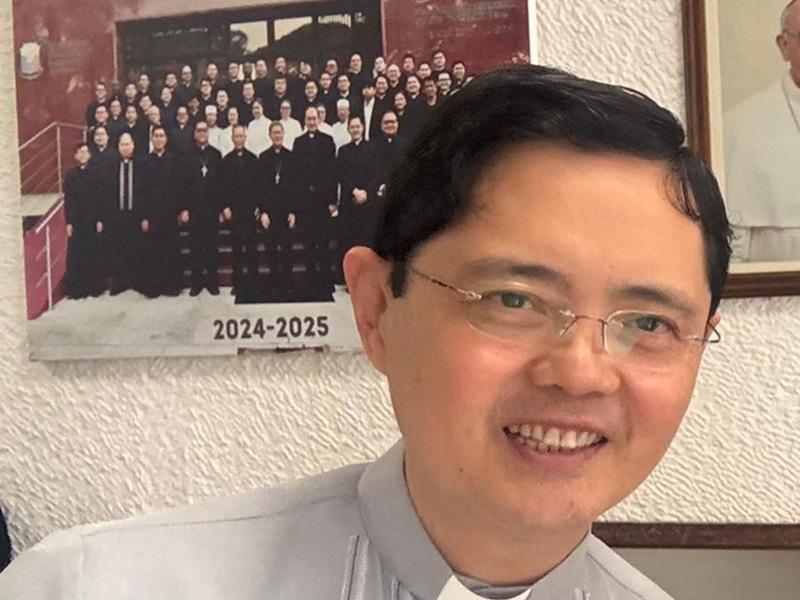
For millions of Overseas Filipino Workers (OFWs) around the world, technology has become an indispensable part of daily life. A video call bridges the distance between Rome and Manila. A messaging app allows parents to witness birthdays, graduations, and family milestones from thousands of kilometers away. Digital platforms help workers find jobs, manage finances, and stay connected to loved ones.
Yet as technology increasingly shapes human relationships, Pope Leo XIV has chosen to address a pressing question in his first encyclical, Magnifica Humanitas: How can society embrace technological progress without losing sight of human dignity?
The document has generated significant discussion within the Catholic Church and beyond because it speaks directly to the realities faced by many modern workers, including the large Filipino community living and working in Italy.
A message centered on human dignity
According to Fr. Greg Gaston, SThD DComm, Rector of the Pontificio Collegio Filippino in Rome, the central message of the encyclical is simple yet profound: every human person possesses an inherent dignity that must never be reduced to economic value, productivity, or technological usefulness.
“The Holy Father reminds us that human dignity is rooted in the fact that we are created in the image and likeness of God,” Gaston explained. “Technology, including artificial intelligence, should always serve the human person — not replace or diminish our humanity.”
The value of a human being is his dignity, said Gaston, adding that the human being is valuable and in society each person is valuable.
"Ang isang bagay ay nagiging mahalaga dahil sa kanyang gamit, posibleng kinakain o nakakatulong sa tao. Samantalang ang tao ay mahalaga hindi dahil ginagamit siya. Siya mismo ay mahalaga – kahit may sakit, bata pa o matanda na. Dahil ang tao, kanyang pagkatao pa lamang ay mahalaga na,” he also said.
(A thing becomes valuable because of its use, possibly being eaten or helpfulness to people. Whereas a person is valuable not because he is used. He himself is valuable – whether sick, young or old. Because a person, his very being is valuable.)
As artificial intelligence becomes more integrated into workplaces and everyday life, Pope Leo XIV warns against allowing efficiency, automation, or profit to become more important than the value of the human person.
A reflection for Filipino migrant workers
This message resonates deeply with Filipino workers in Italy, many of whom have left their families behind in pursuit of better opportunities.
Thousands of Filipinos in Italy work in domestic service, caregiving, hospitality, healthcare, transportation, and other essential sectors. Their sacrifices often go unnoticed, measured only by remittances and economic contributions.
However, Magnifica Humanitas invites society to look beyond economics.
“The work and sacrifices of OFWs should never be viewed merely as economic output,” Fr. Gaston said. “Their labor is an expression of love, responsibility, and commitment to their families. It possesses immense human and moral dignity.”
For many Filipino migrants, work is more than a source of income. It is a vocation of service and sacrifice that enables children to receive an education, families to build a future, and communities to thrive.
The challenge of “Digital Domination”
One of the most striking themes in the encyclical is Pope Leo XIV’s warning against what he describes as “new forms of slavery” and “digital domination.”
While technology offers countless benefits, it can also create systems in which people are treated as data, monitored excessively, or valued solely for their productivity.
For migrant workers, this concern is particularly relevant.
In many sectors worldwide, workers are increasingly evaluated through digital metrics, surveillance systems, and performance-tracking technologies.
The danger, Fr. Gaston noted, is that individuals may eventually be treated as disposable resources rather than persons deserving of respect and dignity.
“When workers are seen merely as tools for profit, something essential is lost,” he explained. “The human person must always remain at the center.”
Can AI replace human care?
As artificial intelligence continues to advance, concerns about job displacement are becoming more common among workers worldwide.
For Filipino workers in Italy — particularly those employed as caregivers, domestic workers, healthcare assistants, and service personnel — questions naturally arise about the future.
Fr. Gaston believes that while automation may transform certain tasks, it cannot replace the uniquely human qualities that define caregiving and service.
“No machine can replicate genuine compassion, empathy, or human presence,” he said. “Technology should assist workers and improve their conditions, not replace the relationships that make care truly human.”
This perspective echoes Pope Leo XIV’s conviction that technological innovation should enhance humanity's growth rather than undermine it.
Fr. Gaston also offered a practical observation about the future of work:
“Sa trabaho, ang worker ay hindi papalitan ng AI. Ang worker ay papalitan ng marunong gumamit ng AI.”
(At work, the worker will not be replaced by AI. The worker will be replaced by someone who knows how to use AI.)
Families Connected by Screens
Perhaps nowhere is the encyclical’s message more relevant than within migrant families.
For many OFWs, technology is both a blessing and a challenge. It allows parents and spouses separated by continents to remain connected through video calls, social media, and instant messaging.
At the same time, Pope Leo XIV cautions against confusing virtual connection with authentic communion.
“A screen can never fully replace physical presence,” Fr. Gaston reflected. “Technology is a valuable bridge, but relationships require intentional love, deep conversation, and genuine listening.”
For Filipino families separated by migration, the encyclical serves as a reminder that technology should strengthen relationships rather than become a substitute for them.
The challenge is not simply to communicate more often, but to communicate more meaningfully.
“Kung ang komunikasyon ay malilimita sa emojis at smiley smiley na lang, parang bitin! Hindi sapat at hindi solusyon. Hindi nito kayang palitan ang tunay na kwentuhan, malaking bagay ang nilalaman at ipinararamdam sa bawat komunikasyon. Kahit simpleng pakikinig ay malaking ginhawa kung ito ay ginagawa ng may puso.”
(If communication is limited to emojis and smileys, it's not enough! It's not enough and it's not a solution. It can't replace real conversations, the content is big and it's felt in every communication. Even simple listening is a great relief if it's done with a heart.)
Avoiding an “Anthropological Crisis”
The encyclical also introduces the concept of an “anthropological crisis” — a situation in which society forgets what it truly means to be human.
Spiritually, Fr. Gaston explained, this occurs when people begin to define themselves solely by productivity, efficiency, or economic success, neglecting their identity as children of God.
“When we place technological progress above our relationship with God and our responsibility toward others, we risk losing sight of our humanity,” he said.
This warning carries particular significance for migrant workers who often face intense pressures, long working hours, and emotional distance from loved ones.
The encyclical encourages workers not to measure their worth solely through professional achievement but through their capacity to love, serve, and build meaningful relationships.
“Nais ni Pope, sa pamamagitan ng Magnifica Humanitas, ay pag-isipan natin ang pagiging tao at kung ano ang tingin natin sa ating kapwa. Para sa mga tao ang trabaho ay bahagi ng kundisyon ng pagkatao. Tulad ng nabanggit sa Biblia, sa Genesis, man is created to work. Ginawa ng Diyos ang mundo, ngunit tayo ay kanyang partners sa pagpapaganda sa mundo para magtulungan sa isa’t isa.”
(Pope wants, through Magnifica Humanitas, to make us reflect on being human and how we view our neighbors. For humans, work is part of the condition of being human. As mentioned in the Bible, in Genesis, man is created to work. God made the world, but we are his partners in beautifying the world to help each other.)
Fr. Gaston also highlighted key principles of Catholic Social Teaching that Pope Leo XIV emphasizes in the encyclical.
“Ipinapaalala ni Pope Leo XIV, ang dignidad ng tao, at ang common good ng bawat ginagawa ng tao, ang kundisyon para makapag-trabaho ang marami. Subsidiarity, solidarity tulung tulong ang mga bansa, at justice.”
(Pope Leo XIV reminds us that the dignity of the human person, and the common good of everything that people do, are the conditions for many to be able to work. Subsidiarity, solidarity, mutual assistance among nations, and justice.)
A timely message for Filipinos in Italy
For the Filipino community in Italy, Magnifica Humanitas offers both encouragement and challenge.
The encyclical affirms the dignity of every worker, recognizes the sacrifices made by migrant families, and calls for a future in which technology remains a servant of humanity rather than its master.
Most importantly, it reminds Filipinos abroad that their value is not determined by productivity, income, or technological skills.
Their dignity comes from something far deeper.
“Ang human dignity o halaga ng tao ay hindi nakabase dahil magaling, maganda o matalino siya, ngunit ang tao ay mahalaga dahil anak siya ng Diyos, parang tulad ng pagmamahal ng isang Ina, mahal niya ang kanyang anak hindi dahil magaling sa klase o talented ito.”
(Human dignity or human value is not based on whether a person is good, beautiful or intelligent, but a person is important because they are children of God, like the love of a Mother, she loves her child not because he or she is good in class or talented.)
As Fr. Gaston summarized, “The message of Magnifica Humanitas is that while the world continues to advance technologically, we must never leave behind the human heart. Technology should help us connect, serve, and grow — but our true worth will always be found in our capacity to love.”
He concluded with a reflection that resonates deeply with the Filipino migrant experience:
“Sa ilang bansa, ang mga pamilya ay naghihiwalay dahil wala na ang pagmamahal, ngunit para sa mga Pilipino, nagkakahiwalay ang mga pamilya dahil sa sobrang pagmamahalan sa isa’t-isa. Sana ito ay manatili.”
(In some countries, families break up because there is no love, but for Filipinos, families break up because they love each other too much. I hope this stays the same.) — BAP, GMA News

