

 GMA Brandtalk
 Tracking
 Archives

Pinoy business leaders eye recovery goals in Dubai for post-Middle East conflict
DUBAI, United Arab Emirates — With growing prospects of easing tensions between Iran and US-Israeli forces, Filipino-owned businesses here, which experienced a downturn at the height of the regional conflict, should now be able to get back on their feet with action plans, according to the Philippine Business Council — Dubai and the Northern Emirates (PBC-DNE).
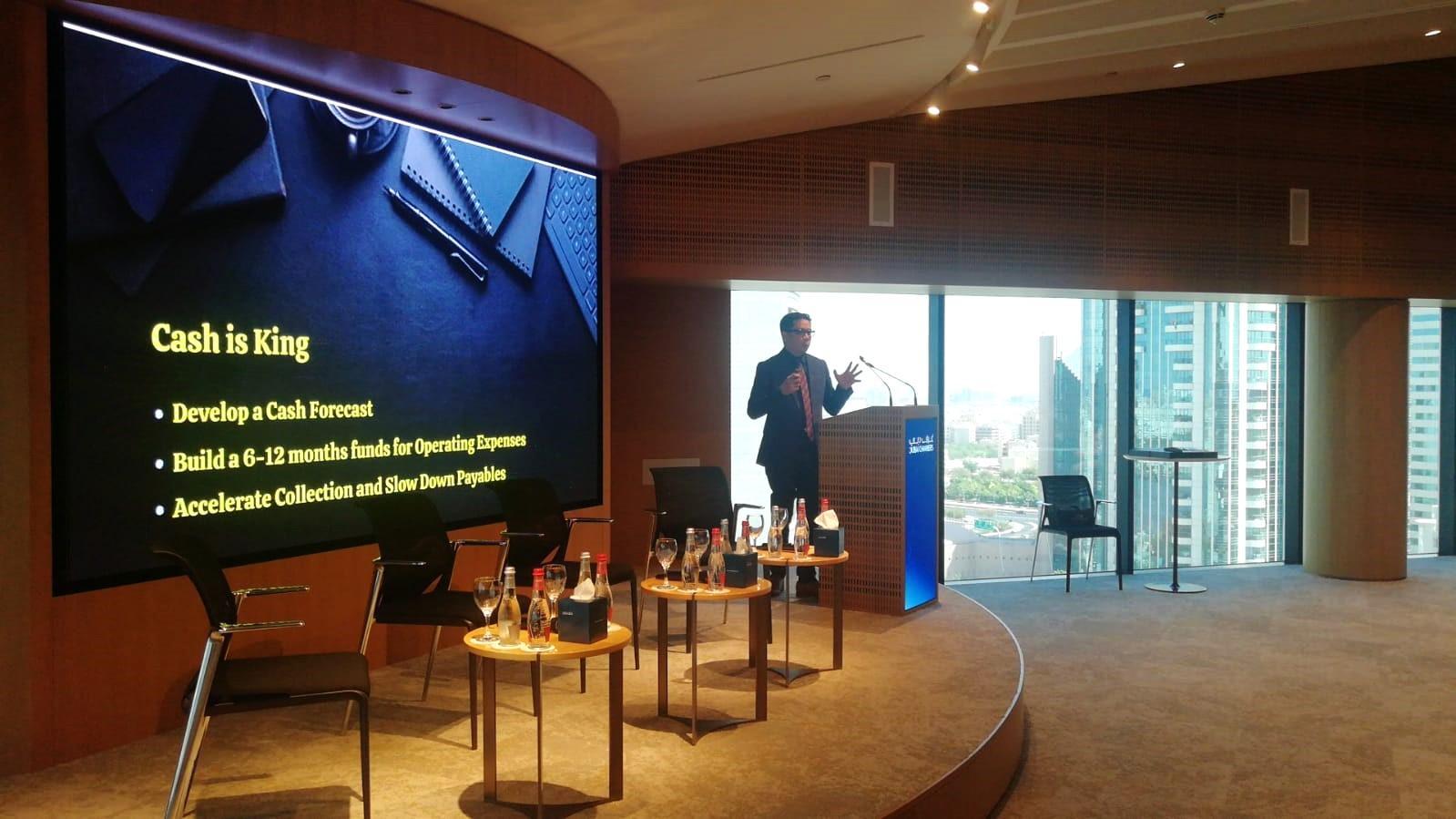
In a recent symposium on resilience held by the group at the Dubai Chamber of Commerce (DCC) and attended by some 50 Filipino business leaders, resource speakers highlighted that supply chain disruption was the main resulting problem of the conflict and that ensuring liquidity and revenue to keep enterprises going are a must.
"Cash is king. Develop a cash forecast, build a six- to 12-month fund for operating expenses, accelerate collection and slow down on payables," said Dr. Ben Lebig Jr., a registered financial planner who works in the UAE's oil and gas sector, in his piece on how to get back to action.
He said business owners should "track all expenses," involving the employees in doing this, and "cut on non-essential spending immediately."
On the front side of the business, Lebig said focus should be given to "most profitable customers," while adding new revenue streams like quick-cycle products, and renegotiating thoughtfully, bearing a win-win situation in mind.
Stabilize cash flow
On the loans and bank side, business owners, he said, should move to "stabilize cash flow," and refinance short-term debts into longer maturities.
He said it is important to negotiate and not to default because problems might arise with the banks in the future once the business defaulted. All this because "credit goes a long way," Lebig said.
"Contingency is the secret weapon," Lebig said, where business owners should "develop a scenario plan with an action plan for each scenario."
"Stress-test your business (and) secure a back-up financing early," he said.
Keep supplies coming
Meanwhile, Rolly Brucales, owner and managing director of three food and beverage (F&B) outlets, including a seafood dining destination which recently celebrated its 10th anniversary, said they survived the war's impact because they anticipated that it would affect the supply chain.
"What we did, instead of buying materials outside, we sourced out locally, which is available. Supply chain ang tinamaan talaga kaya 'yan ang ginawa namin. (Supply chain was hit badly that's why we did that.)," Brucales said.
Aside from the seafood restaurant, Brucales also runs a Japanese ramen house. "The noodles were locally made," he said.
He said the shift to locally produced ingredients and increased marine harvest was made a week during the war.
"Mga isang linggo pa lang, what we did was nag-stock na kami ng mga catches kasi we anticipate na baka matagalan," Brucales said.
(A week into the conflict, we anticipated that the war would last long that's why we stocked up on the catches.)
"Maganda rin relationship namin sa suppliers at lagi kaming ina-update kung anong items na mga ginagamit na critical," Brucales said.
(We also have a good relationship with our suppliers who updated us regarding items we needed but were critical.)
Most important to keep the business afloat, he said, is ensuring liquidity.
"'Yung cash flow dapat liquid lagi kasi binibili namin 'yung ibang items para discounted," Brucales said.
(The cash flow should always be liquid because we buy some of the items to enjoy discounts.)
Now that the worst seems over, Brucales said they have better positioned their outlets.
"We have also signed a lease agreement with another mall. We took advantage of the low space rent and flexible terms," he said.
Brucales is a PBC-DNE member.
Support from UAE gov't
Meanwhile, other Filipino business leaders said recovery is not far-fetched noting how the UAE government has been supportive.
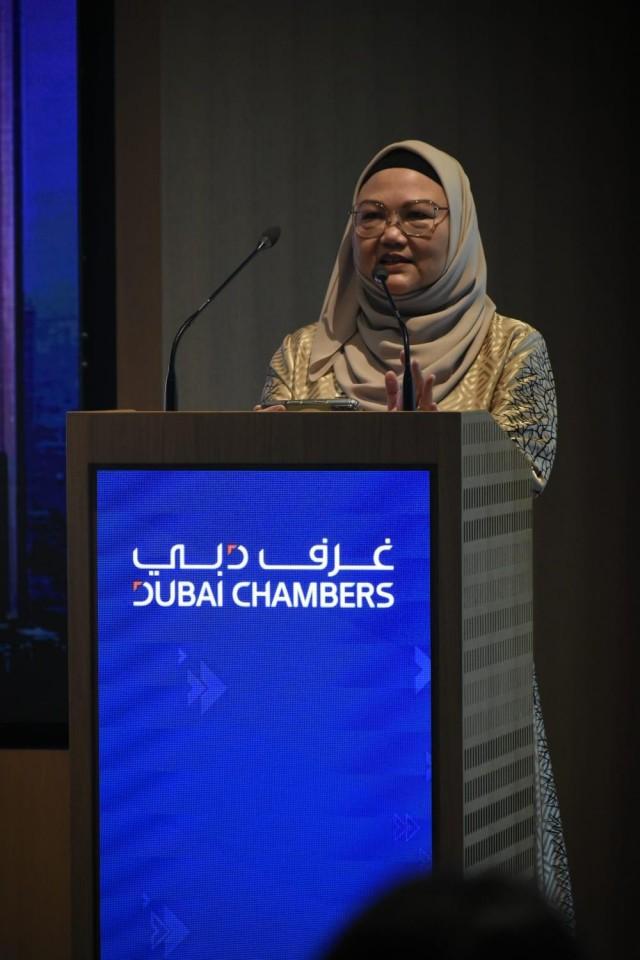
"This country has never treated the expat business community as an afterthought. The support has been steady and deliberate. The UAE government's commitment to the business community here is something we should name openly and with gratitude. We are not simply tolerated here. We are supported and protected. And that matters, especially in difficult times," said Evangeline Asiyah Monjardin, PBC-DNE head.
"The current environment hasn't made things easier. Regional instability, rising costs, slower approvals, clients and investors who are also nervous and holding back on decisions… these are real pressures. And I don't think it helps anyone to pretend otherwise, or to rush past it with a reminder about opportunity in crisis. The pressure is real," she added in her keynote address.
Fatima Al Madani, DCC senior manager of business relations, told attendees how PBC-DNE has contributed to all sectors.
In her speech, she also noted how the recent opening of a DCC office in Manila can be a step towards closer ties between Philippine and Dubai businesses.
The PBC-DNE, which has more than 250 members, is everywhere in Dubai, from tourism-related businesses to F&Bs, construction, business set-up and real estate, among others. — VDV, GMA News

