

 GMA Brandtalk
 Tracking
 Archives

‘GAWA SA GINTO?’: Manila business owners protest massive garbage fee hike; LGU says increase is necessary
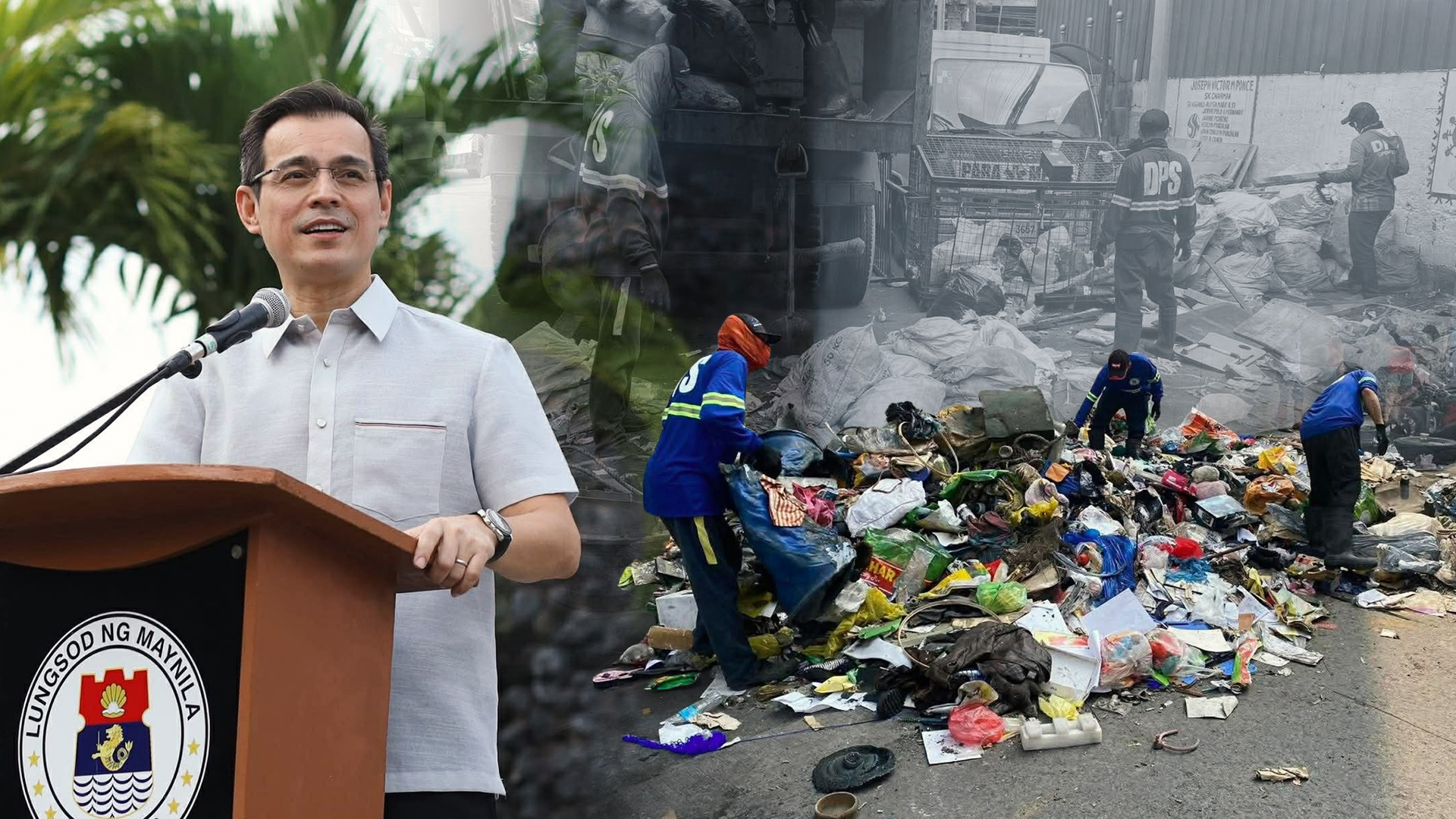
Several Manila business owners took to social media after discovering that their garbage collection tax had surged as much as 1,100% compared to last year’s collection.
The increase followed the approval of Ordinance No. 9151, signed by Manila City Mayor Isko Moreno, which revised garbage collection fees for business establishments. The city government said the adjustment was long overdue, noting that garbage fees had remained unchanged since 2013.
Business owners questioned the steep increase, saying they were shocked by both the scale of the hike and the lack of prior notice.
Benedict Mique, a business owner in the metro for over 30 years, said he was stunned when a ₱60,000 garbage fee reflected on his business tax bill– up from just around ₱5,000 last year.
“Grabe! Garbage collection fee ng Maynila, maliit na restaurant 60k plus! Gawa ba sa ginto ‘yung truck ng basura? Ganito na ba kagarapal gobyerno ngayon! Hindi pa kami kumikita lugi na kami,” Mique wrote on Facebook.
“Yorme, maawa naman kayo sa maliliit na businesses sa Maynila. Paano tayo aahon sa ekomomiya kung maliliit na negosyo ang mamamatay,” one commented.
“Double whammy! Nagbayad ka na ng tax, nagbayad ka pa para sa pagkolekta ng basura. Kalokohan na ‘yan,” another wrote.
City officials said the ordinance aims to enhance waste management capacity, improve service delivery, and address rising operational costs.
In an interview with GMA Public Affairs, Mique said the increase was difficult to understand.
“We were surprised, kasi…it's [1,100%] higher than the previous year…That's enormous! I don't see any logic in that aspect. And I don't see any calculation that will justify that…unless na nga lang kung ‘yung kukuha ng basura ay gawa sa ginto,” he said.
Manila LGU’s defense
Amid the online backlash, Manila City Mayor Isko Moreno addressed the issue during a live broadcast of “Talk to the People” on Monday, January 19, defending the increase and saying that every peso increase is all accounted for.
Moreno explained that the garbage fee adjustment was long overdue and no longer aligned with current economic conditions.
“In 2013 kung saan huling nagtaas ng garbage fee ang lungsod ng Maynila, ang presyo po ng krudo at the time is from 39 pesos to 43 pesos per liter. Ngayon po January 16, ang presyo ng krudo per litro 56 to 59 pesos per liter,” he said.
He added that the city was advised by the Metropolitan Manila Development Authority (MMDA) to redirect its waste to the New San Mateo Sanitary Landfill in Rizal, resulting in higher hauling and disposal costs.
Moreno acknowledged the concerns raised by business owners, “Totoo naman po. Mag-aalala din kayo. Nauunawaan ko po kayo.”
He further argued that when broken down into daily costs, the increase would be less burdensome.
“Let's just say 12,000 ang babayaran mo sa negosyo. Then let's divide it. Divide it by 365 days, yung 12,000 pesos. Most likely you will arrive between 30 pesos, 31 or 32 pesos per day,” he said.
According to ordinance documents, garbage fees are based on the type of business and the volume of waste generated, with higher waste output resulting in higher fees.
“Nananawagan ako. Help me. [The] garbage problem is a shared responsibility. Tulong-tulong tayo…Hangad ko na maging matagumpay ang inyong paghahanap buhay sa lungsod ng Maynila,” Moreno added.
Not satisfied
Despite the mayor’s explanation, business owners like Mique said the lack of prior consultation was a major issue.
“Parang fly-by-night yung nangyari. Lahat kami na-shock,” he said, adding that no announcement or public consultation preceded the implementation of the ordinance.
Environmental group The Manila Anti-Incinerator Alliance (MAIA) also criticized the ordinance, siding with business owners and questioning its legality and transparency.
“We are alarmed by the vague cost breakdown and the dangerous precedent this sets for future waste-to-energy projects that may further burden residents by paying for hauling to bring tonnes of waste for burning in the plants,” said Niña Estelle, Coordinator of Panatang Luntian, co-convenor of MAIA, in a statement released Jan. 22.
“This lack of detail makes it impossible for the public to assess whether the fees are proportionate, reasonable, or justified. This defect is not trivial,” the group added.
Brex Arevalo, Climate and Anti-Incineration Campaigner of the Global Alliance for Incinerator Alternatives (GAIA) Asia Pacific and co-convenor of MAIA, challenged the Manila LGU to make public its full computations for what he called a “grossly unjust and anti-Manileño” increase.
MAIA also argued that the ordinance conflicts with Republic Act 9003, or the Ecological Solid Waste Management Act of 2000, citing the lack of public participation and transparency.
What now?
While the Manila LGU maintains that Ordinance No. 9151 is lawful and necessary to address waste management challenges, critics insist it should have been implemented with greater transparency and public consultation.
“Fee impositions must be transparent, proportionate, and clearly tied to real waste reduction and diversion programs, including reusing, recycling, and the establishment of other non-incineration resource recovery activities. Anything less undermines the law, public trust, and the right of Manileños to a safe and healthy environment,” MAIA said.
For now, business owners say they have little choice but to comply if they want to continue operating.
“We want to support ‘yung city. We love this city, we grew up in this city. Dito na kami lumaki… Pero kung ganiyan, ang hirap… You create a business here to support the city, sana tulungan ka rin ng government,” Mique said.
As the ordinance takes effect, the issue remains a point of contention—pitting the city’s waste management goals against the growing concerns of Manila’s business community. —ACC, GMA Public Affairs

