

 GMA Brandtalk
 Tracking
 Archives

ADVERTISEMENT
Filtered By: Publicaffairs
Public Affairs
A labor of love: The food of South Korea
+
Make this your preferred source to get more updates from this publisher on Google.
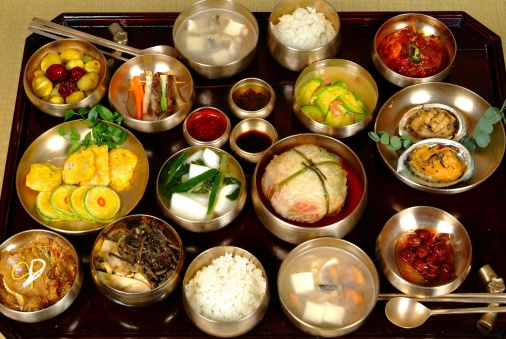 Many Filipinos first learned about Korean cuisine through South Korean dramas like “Jewel In The Palace.” In the fictionalized story of Dae Jang Geum, Korea’s first female court physician was portrayed as a palace cook-turned-doctor. The show featured the grand court cuisine of the Joseon Dynasty—steaming hotpots, brightly colored vegetables served in a gujeolpan (nine-section plate), and bowls of fine meat. However, the art of Korean cuisine goes beyond what we see in historical epics and television dramas. A closer look reveals a cuisine that pays keen attention to every part of each meal. Principles of balance
 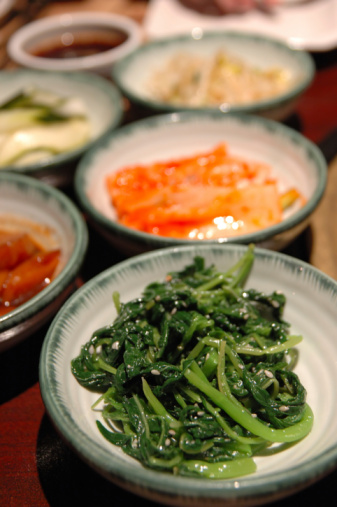 As in its neighbor China, Korea’s cuisine is based on balance—the idea that solid, firm food must be balanced with liquids, heat with chill, and mild dishes with spicy ones. Even the gomyeong (garnishes) make use of naturally occurring colors based on the five elements: red, green, yellow, white and black. This is influenced by the belief that balance in one’s food leads to internal balance as well. In fact, palace cooks during the Joseon Dynasty were held responsible for the king’s health. This also explains why Korean meals are accompanied by a multitude of banchan, or side dishes in little bowls. Here are just some of the banchan you might get to try:
 - Siguemchi namul – spinach lightly seasoned with sesame oil, garlic and soy sauce
- Doraji namul – seasoned bellflower roots
- Kongnamul – boiled soybean sprouts
- Pajeon – green onion omelette, sometimes mixed with meat
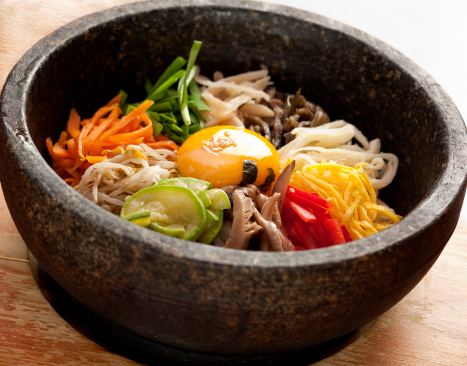 Filipinos might find it easy to relate to South Korea’s galbitang, a short ribs stew which tastes exactly like the Filipino nilagang baka. Meanwhile, rice is a staple that connects South Korea to other countries across Asia. (Into rice bowls? You’ll love bibimbap, a bowl of rice topped with veggies and a variable amount of chili paste.) The Korean version of the Japanese shabu-shabu is interesting because its form changes as the meal goes on. As the broth where one dips raw meat turns into a soup; when only the dregs remain, a bowl of rice is dumped into the pot to create a kind of porridge. When that dries up, the very last of the rice turns into a crunchy, crusty snack. This is just one of many dishes meant to be consumed by a group, with diners sharing both food and time. South Korea’s cuisine is characterized not only by an attention to detail, but also by the idea that eating is more than filling one’s belly. Eating is a bonding experience, a part of wellness, and a gateway to a better life. —PF, GMA News Sources: ‘Say Kimchi!’ a documentary by Kara David/I-Witness (2012) VisitKorea
