

 GMA Brandtalk
 Tracking
 Archives

Be careful with your heart... and blood sugar!
Every year, almost 103,000 die of heart disease in the Philippines. Some 21,000 die of diabetes mellitus. Heart ailments and diabetes are among the Top 10 killer diseases in the country, according to the Department of Health.
With both diseases claiming more and more lives, it is important to know how to spot the telltale signs of diabetes and heart disease. Pinoy MD tells us how.
1. Watch your breathing before going to sleep
While in bed, observe your breathing patterns. Do you find it difficult to breathe while lying down on only one or two pillows? In case you do, this might be a sign of orthopnea, a symptom of heart disease.
Orthopnea is caused by the heart’s difficulty to pump blood coming from the lower part of the body after standing up the whole day. Normally, the heart could handle the pumping blood but due to clogged veins, it finds it difficult to do so.
Strained breathing when you’re lying on your left side but normal when you’re lying on your right may also indicate a symptom of heart disease. Since the heart is on the left side of the body, any constriction on that side adds pressure and affects how the heart pumps blood.
So next time you lie down on your bed, don’t count sheep! Count your pillows and watch your breathing --it may save your life.
2. Check your pulse regularly
The number of times your heart beats is good indication of whether or not you’re suffering from heart disease.
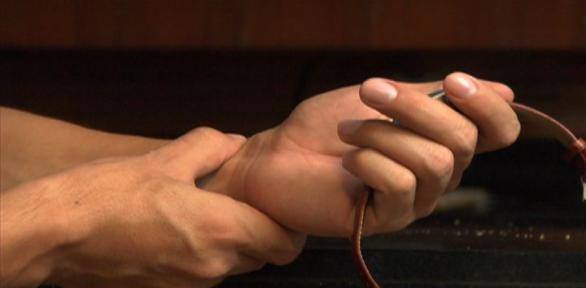
To check your pulse, make sure your heart rate is at rest --meaning you’re not doing any strenuous activity. Sit up straight, put your fingers on your wrist until you can feel your heartbeat, and count how many times it beats in one minute.
The normal range is 60 to 100 beats per minute. A lower or higher figure might be a sign of a heart ailment.
3. Track your blood sugar level
Using a glucometer, keep a record of your blood sugar level. If the record shows a sugar level more than 110 milligrams per deciliter, there is a high possibility that you may have diabetes.
But for those who do not have a glucometer at home, you may use a technique called monofilament testing. All you have to do is take a stick similar to that from a walis tingting and ask for a friend’s help.
Sit down and ask your friend to prick certain spots of your feet. First, ask them to prick you under your big toe. Second, on the big toe itself. Third, on the middle of your sole. And fourth, under the smallest toe.
If you don’t feel any of the pricks, this might mean that a high blood sugar level in your body is causing your veins to produce toxins that block blood flow. Decreased blood flow causes numbness.
You may opt to do another test called ankle-brachial to determine if you may have symptoms of diabetes.
To do this, you will need a blood pressure monitor. Take one reading from your arm and take one from your ankle.
If the blood pressure reading from your ankle is lower than the one in your arm, it might be an indication that your wounds may not heal as quickly as it does before --which is also a sign of diabetes.
While all these tips are helpful in determining the possibility of heart disease and diabetes, it is still best to consult a doctor if you feel anything strange in your body.
Listen to your body but never jump to conclusions. Remember that diseases as serious as these should not be taken lightly and thus, opinions from experts should be sought before taking any drastic measures. --- Princess Daquigan/NB, GMA News

