

 GMA Brandtalk
 Tracking
 Archives

EXPLAINER: Why the melting 'Heartbeat of the Planet' threatens the planet's survival?
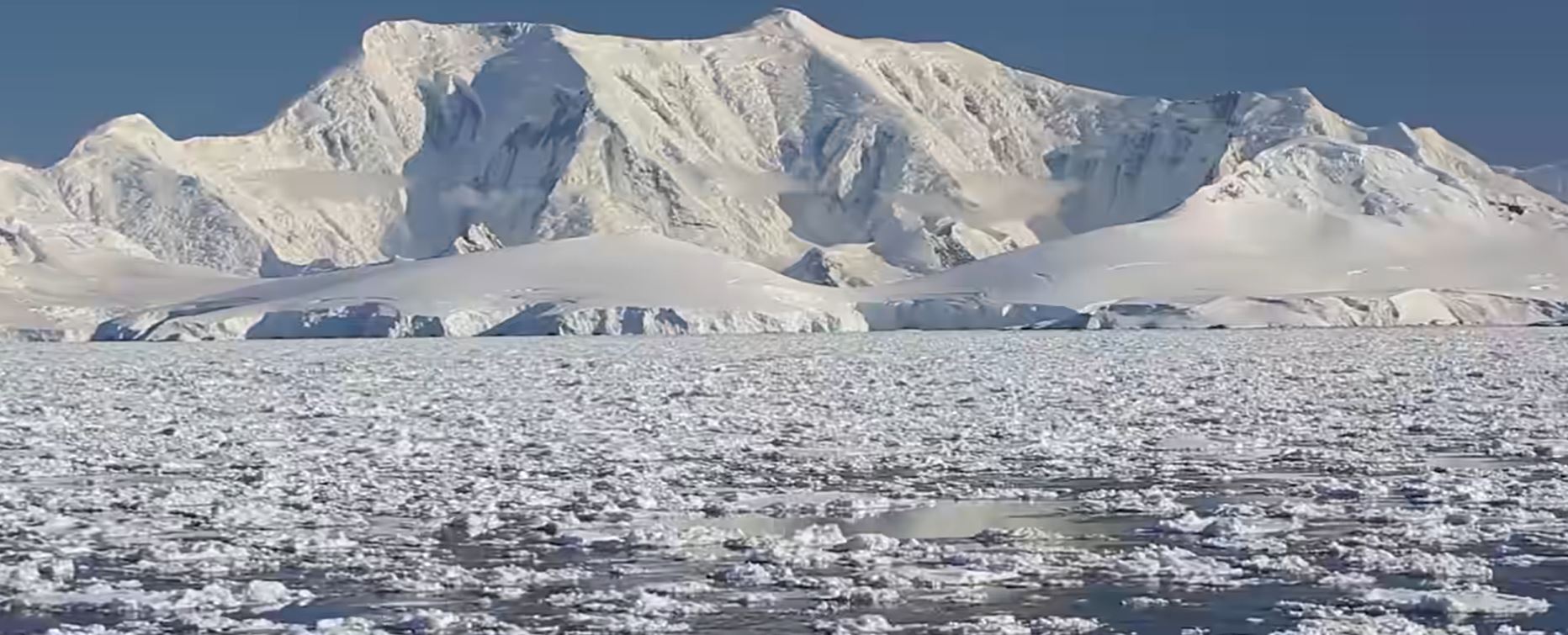
The Antarctic sea ice is also known as the “Heartbeat of the Planet.” It is located in Antarctica, the planet’s driest, windiest, and coldest continent, located at the bottom of the Earth.
It got its name because of the “pulsing” movement of the ice surrounding the continent, and also from its crucial role in the Earth’s climate.
First key role: Supports the sea creatures
If seawater becomes ice, its salt component sinks to the bottom of the sea—an important process in “ocean global circulation,” where the distribution of oxygen and nutrients in the sea depends. And where different species in the sea depend.
Second key role: Protects the planet from the sun’s heat
The cold and thick fragments of the Antarctic sea ice serve as a mirror to the sun that refracts solar energy back into space.
Without this function, the seas would absorb the excessive heat from the sun, which could greatly affect our global climate and ecosystems.
Third key role: Prevents an abrupt increase in sea level
The Antarctic sea ice prevents waves from getting to the planet’s ice shelves.
Ice shelves are the floating extension of the Antarctic ice sheet and may be hundreds of kilometers across and hundreds of meters thick, according to the Australian Antarctic Program.
If the sea ice were gone, sea waves would disrupt the Antarctic ice shelves, and its knocked down shards would lead to excessive sea level rise.
This could erase some places on our map.
How’s the Antarctic sea ice?
In 2015, many scientists were alarmed due to the rapid melting of a big part of the Antarctic ice.
Its ice slightly recovered in 2020 and 2021, but hit a record-breaking collapse in 2022.
Scientists explain that this happened when the wind patterns and ocean currents changed in 2016, preventing the production of new ice.
What happened is that, in the South Pole, the cold freshwater on the surface of the sea and the hotter and saltier water at the bottom were mixed together.
Can the Antarctic sea ice recover?
It has a slim chance to recover, a scientist said.
According to Australian Antarctic Division Chief Scientist Dr. Naerilie Abram, there is only a small chance of recovering the abundance of ice in the Antarctic sea ice.
“Once you've put heat into the ocean, it’s really difficult to get that heat out, and the ocean is going to continue to take up heat… I don’t see a way that the Antarctic sea ice is going to bounce back from that,” Dr. Abaram said on PBS Terra.
As of now, scientists are continuing their studies on how rapidly the sea ice is melting and will be, and whether the planet will be able to survive its effects.—Lyjah Tiffany Bonzo/LDF, GMA News

