

 GMA Brandtalk
 Tracking
 Archives

Lack of capital hinders farmers' adoption of agri-tech — DOST
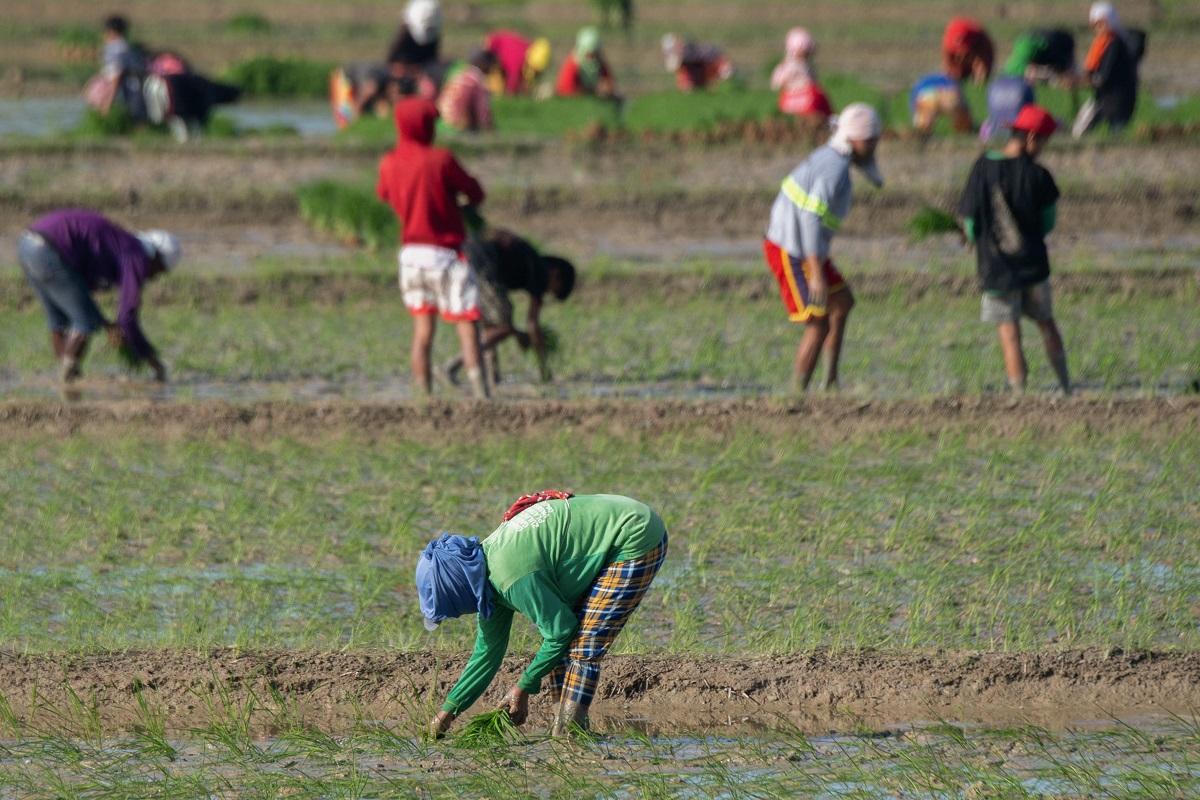
Many Filipino farmers are willing to adopt new agricultural technologies, but a lack of capital remains a major obstacle to their continued use, the Department of Science and Technology (DOST) Central Luzon said Monday.
According to Bryan Baltazar, Science and Technology (S&T) Fellow and alternate focal person of the DOST's Project SARAI CeNTRO, farmers' hesitation to adopt new farming technologies is often rooted in financial constraints rather than a fear of technology.
“There are farmers who are willing to adopt new technology, especially when they see that it can increase their yield or improve their crops. They adopt it immediately,” Baltazar said on Bagong Pilipinas Ngayon.
“But an obstacle arises for some farmers when they try a new technology and their harvest does not increase after one cropping season, leaving them with no resources or capital to try again,” he added.
In response, the agency is pursuing initiatives not only to develop agricultural technologies and increase farm yields but also to help farmers access financing and capital, Baltazar said.
One such initiative is Project SINAG (Smart and INnovative AGriculture), a digital platform designed as a one-stop hub for smart farming.
Project SINAG provides farmers and other stakeholders with real-time crop updates, yield and price forecasts, climate and flood alerts, and information on modern farming solutions.
Baltazar noted that because the project is a digital platform, agricultural cooperatives and local government personnel play a crucial role in bridging the gap by guiding and training farming communities in using the technology.
Smart farming, agricultural losses
Smart farming is becoming increasingly important to food security amid unpredictable weather patterns linked to climate change, according to the DOST.
Baltazar said agency data showed widespread agricultural losses across the country from 2010 to 2013. In Central Luzon alone, around 25,000 hectares of farmland were lost during the period.
He also cited the ageing farming population as another challenge.
“Another factor is the age of our farmers. Their average age was 57 in 2023. Three years later, they are now around 60 years old and are nearing retirement age,” Baltazar explained.
He added that the Philippines' vulnerability to disasters and the relatively small size of farms, averaging about two hectares per farmer, also contribute to agricultural losses.
“This is where Smart Farming comes in. It uses advanced technologies such as remote sensing to gather sufficient information and data, allowing Filipino farmers to adopt a data-driven and science-based approach to managing their farms,” Baltazar explained.
He said climate change has made traditional outdoor farming increasingly difficult because it relies heavily on natural rainfall, sunlight and temperature.
“With climate change, weather patterns have become increasingly unpredictable, making it difficult for farmers to determine when it will rain or when temperatures will rise,” Baltazar said.
“Sometimes they apply fertilizer to their crops, only for rain to fall that afternoon, washing the fertilizer away because they were unable to anticipate the rainfall,” he added.
The DOST has also emphasized the threat posed by climate change to agriculture as the country faces an intensifying El Niño.
In its September 23 advisory, DOST-PAGASA said the current Strong El Niño is expected to intensify into a Very Strong El Niño between September and December 2026 and persist through the first half of 2027.
The phenomenon is expected to bring drier conditions and an increased risk of dry spells and drought in some parts of the country.
Baltazar said the impacts of the impending El Niño are expected to be felt nationwide.— MCG, GMA News

