

 GMA Brandtalk
 Tracking
 Archives


EXPLAINER: What is a plague? DOH explains preparedness measures
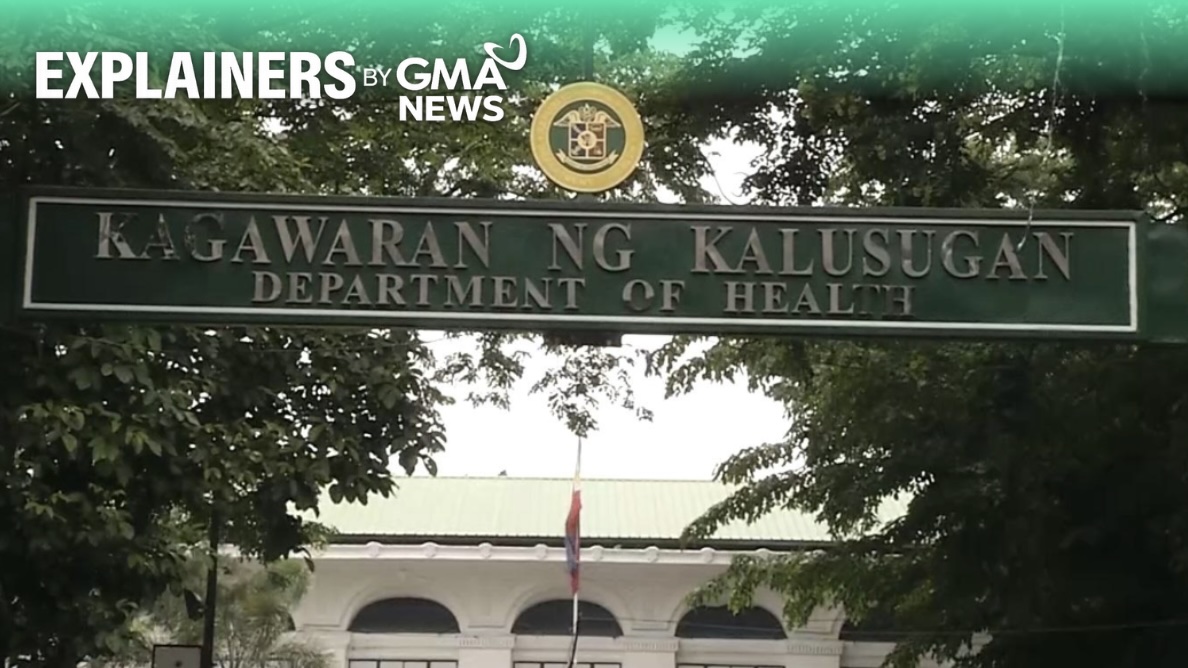
The reported death of a laboratory worker at a plague research institute in Russia has raised fears of a possible pneumonic plague infection.
However, there is no confirmation that the worker died from plague, although a regional governor said she "may" have died from plague.
READ: EXPLAINER: What do we know about plague institute lab worker's death in Russia?
The Philippines’ Department of Health (DOH) described plague as an infectious disease caused by the bacterium “Yersinia pestis,” which can be contracted through the bite of an infected flea or exposure to contaminated fluids and tissues.
Its initial symptoms include fever, chills, and weakness, which may be followed by swollen and painful lymph nodes in cases of bubonic plague.
If the initial symptoms are followed by difficulty or pain in breathing and coughing, it may indicate pneumonic plague, while the spread of the infection into the bloodstream may indicate septicemic plague.
“Plague in itself has a very high case fatality, ranging from 30 to 100%,” Alethea de Guzman, DOH Epidemiology Bureau director, said in a virtual media briefing.
“Kaya napakahalaga na ito ay mahanap, ma-assess, ma-diagnose agad kasi mayroong available na gamot, antibiotic, para magumaling ang isang taong may plague,” she added.
(That is why it is crucial to detect, assess, and diagnose the disease early, as antibiotics are available to treat plague and help patients recover.)
Even without confirmation of a pneumonic plague infection, the World Health Organization continues to monitor the situation and keep countries informed of any new developments.
De Guzman said the DOH continues to prepare for global health threats by strengthening disease detection, preparing local health systems, and providing the public with accurate and timely information.
Strengthening disease detection includes scanning, monitoring, and assessing the risks of global health events; conducting surveillance of international travelers and cargo at airports and seaports; continuing local surveillance of influenza-like illnesses; and ensuring the capacity to test suspected cases and their close contacts.
De Guzman said that strengthening the local health system’s capacity includes improving public health response measures, such as case investigation, contact tracing, isolation, and quarantine, as well as ensuring health facilities are prepared with adequate beds, personnel, equipment, and medicines.
“Natuto rin tayo sa COVID-19 na hindi natin puwedeng iwang sarado ang bansa. Hindi rin sa lahat ng panahon kaya nating napaka-stricto sa ating mga borders dahil eventually nakakapasok din ’yan,” De Guzman said.
(We also learned from COVID-19 that we cannot keep the country closed. We also cannot maintain extremely strict border controls at all times because, eventually, these threats can still enter the country.)
“So natuto tayo na kung meron man tayong border protocols, ito ay pang-delay para ang ating local health system ay nakakapaghanda sa posibleng pagdami ng kaso dahil doon sa papasok na health event na ’to,” she added.
(So, we have learned that border protocols are meant to delay the entry of a health threat, giving our local health system time to prepare for a possible increase in cases resulting from the emerging health event.) –NB, GMA News

