

 GMA Brandtalk
 Tracking
 Archives


Leptospirosis bacteria found in waterways, soil — UP researchers
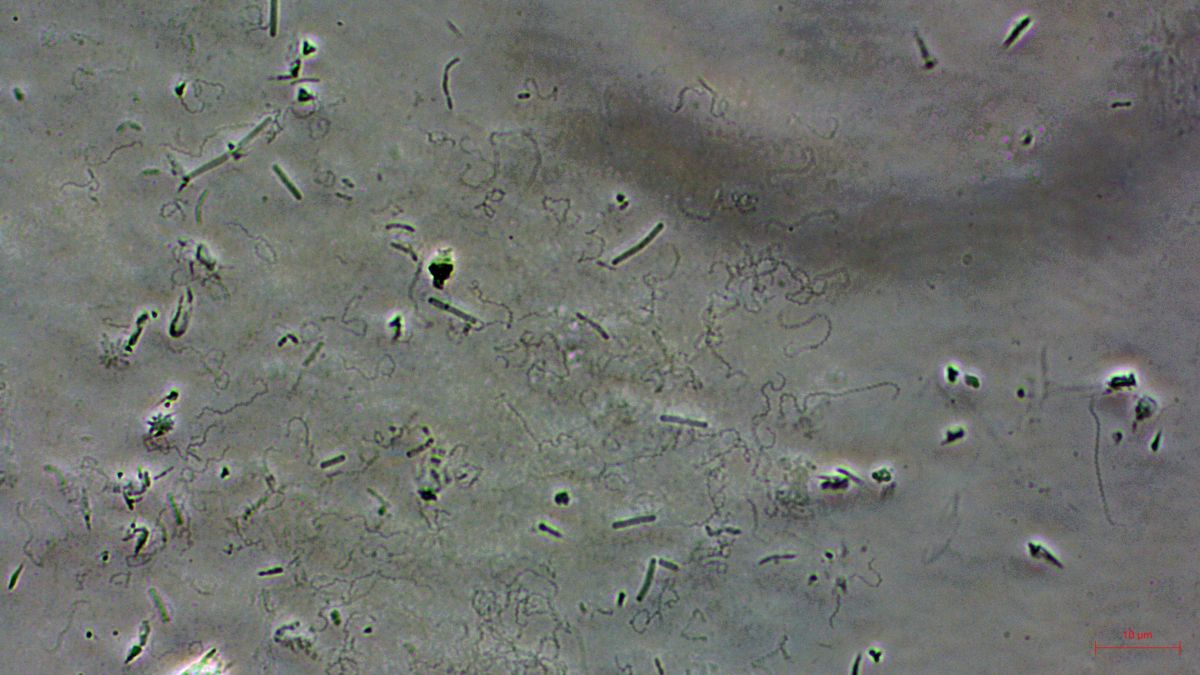
The bacteria that cause leptospirosis are not found only in floodwaters but also in waterways and soil, according to researchers from the University of the Philippines Diliman (UPD).
In a press release, UPD said two new peer-reviewed studies by researchers from the UPD College of Science (UPD-CS) and the Philippine Genome Center (PGC) examined the presence and genetic characteristics of Leptospira, the bacteria that cause the disease.
“Most people picture leptospirosis risk as something you catch from an obvious flood puddle after a typhoon,” said researcher Ram Julius Marababol, who led both studies.
“What our data show is that the bacteria carrying the potential to make people sick aren't waiting for a flood to arrive; they are already living in the soil and water of an ordinary city waterway, spread evenly across it, all year round,” he added.
For the first study, researchers from the UPD-CS Institute of Biology's Pathogen-Host-Environment Interactions Research Laboratory examined the presence of Leptospira in Estero de Paco, a waterway that runs through densely populated and flood-prone communities in Metro Manila.
The researchers collected soil and water samples from five sites along the estero and detected Leptospira at all five locations.
The findings suggest that bacterial contamination can occur throughout an urban waterway rather than being confined to a single, identifiable source.
“The absence of isolated hotspots is itself the alarming part,” said Dr. Windell Rivera, the study's senior author and Marababol's supervisor at the PGC.
“It means the old model of pointing to one contaminated spot and cleaning it up isn't going to be enough. If an entire waterway is functioning as a single, connected reservoir, then surveillance and intervention have to be rethought at the scale of the whole system, not a handful of sampling points,” Rivera said.
The researchers also found that the Philippine Leptospira strains differed genetically from previously sequenced strains.
In the second study, they reported the first genetic sequencing of Leptospira yasudae from the Philippines. According to the researchers, this marked only the 10th time the species had been genetically sequenced worldwide, adding a rare Philippine reference to the species' genetic record. — VBL, GMA News

