

 GMA Brandtalk
 Tracking
 Archives

ADVERTISEMENT
Filtered By: Scitech
SciTech
Two new frog species discovered in Leyte
Two new frog species —so new that they still have yet to be named— have been found hopping in the forests of Southern Leyte, conservationists announced on Tuesday.
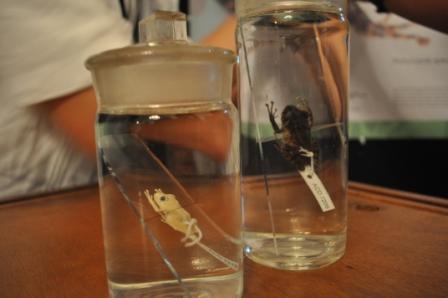 Officials of Fauna and Flora International (FFI), German development agency GIZ, the National Museum, and the Department of Environment and Natural Resources said the two previously undocumented frog species were found in Mount Nacolod mountain range in the eastern Visayan province of Southern Leyte last year.
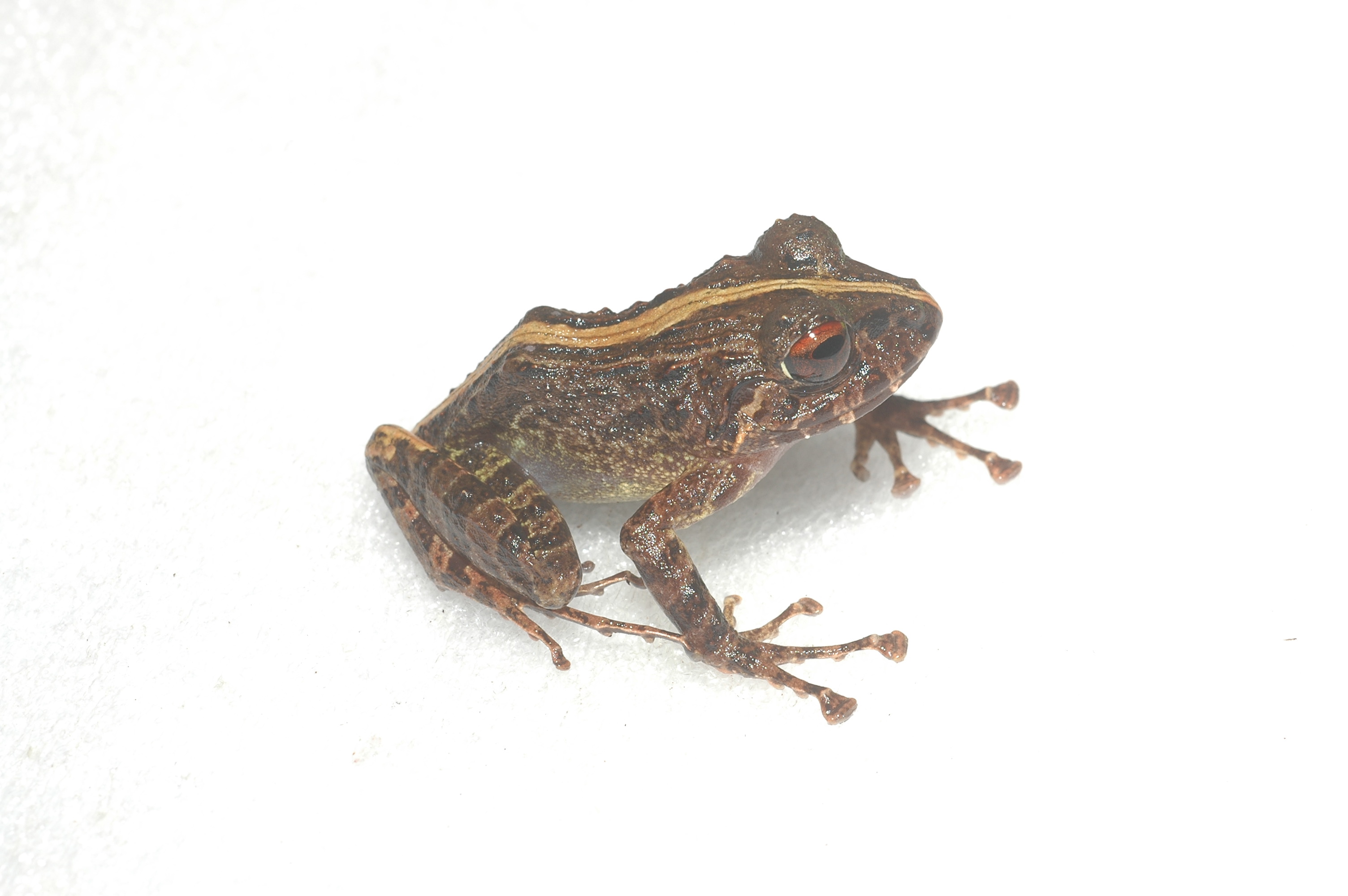
 The two frog species belong to the genus Platymantis. They inhabit the montane and mossy forests of the Nacolod region and are markedly different from other known species of Platymantis found in the Philippines in terms of body size, coloration patterns, and mating calls.
“This is the first time that a Platymantis species belonging to the hazelae group has been found in Mindanao faunal region, of which the island of Leyte belongs to,” GIZ said.
“It is anticipated that a significant number of species will be recorded from Southern Leyte with continued field sampling, especially if the surveys are conducted during the drier months of the year and if a wide range of habitat and elevation zones (from lowland Dipterocarp to mossy forests) are sampled,” GIZ added.
On trees and in the ground
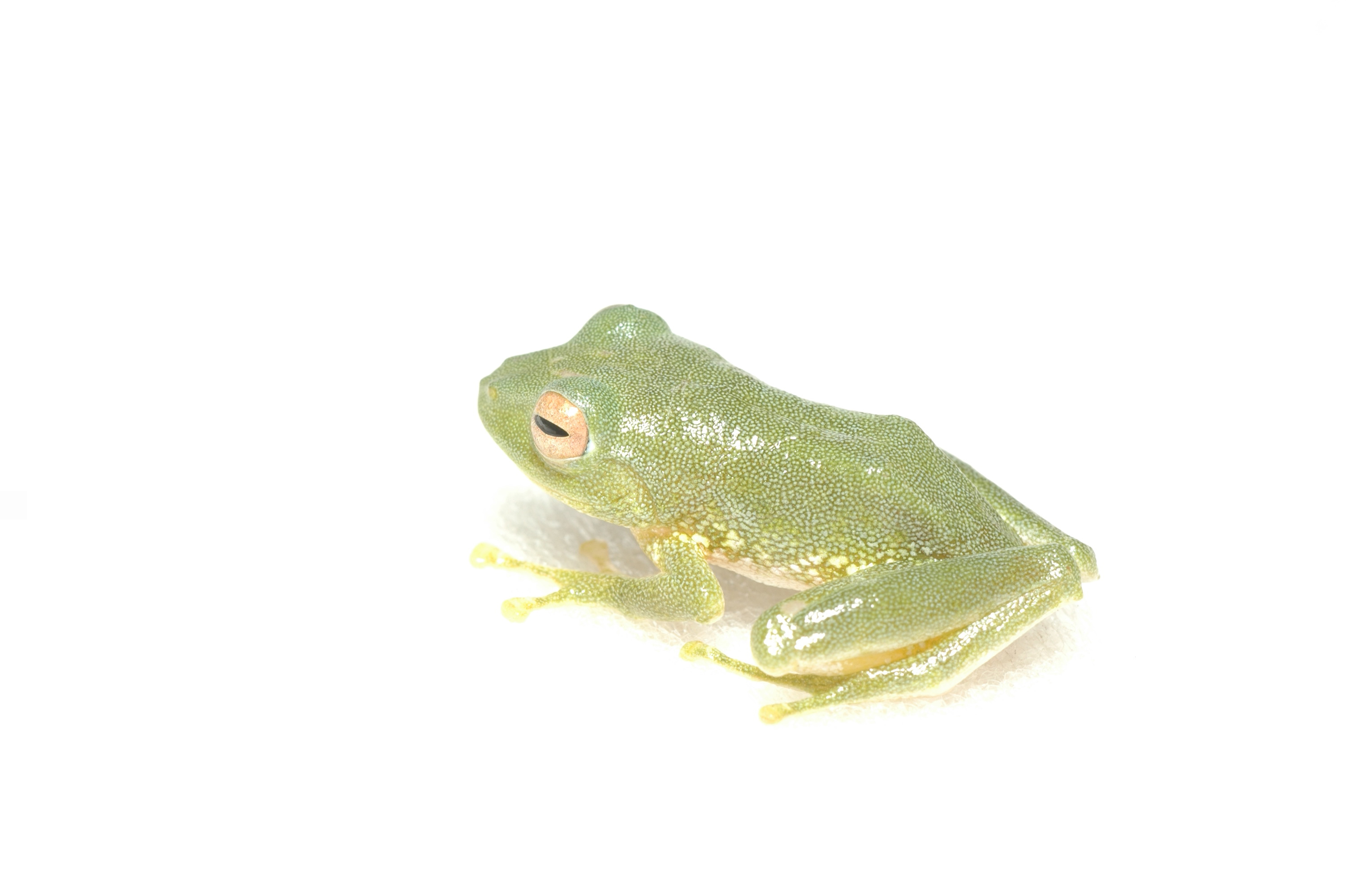 The survey of the Southern Leyte forest was part of the Reducing Emissions from Deforestation and forest Degradation (REDD) program in the Philippines funded by the German government, which aims to rehabilitate and protect the current green cover in a bid to reduce carbon emissions. One of the frogs was found on a tree branch, while the other was found in the ground, FFI said. The frogs do not have formal names yet. FFI suggested that one of the frogs be named Platymantis reddorum after the REDD project. The proposed name for the other species is Platymantis sodhi in commemoration of conservation scientist Navjot Sodhi, who was involved in the project and who recently passed away.
 FFI country director Neil Aldrin Mallari said Filipino and American herpetologists are currently working on the formal taxonomic description of the species.
 Aside from the new amphibians, the Mount Nacolod assessment also recorded 229 flora species, 31 of which are found only in the Philippines.
 The survey team recorded 212 vertebrates. These included 112 birds, 36 mammals, and 64 amphibians and reptiles. FFI said most of these animals are endangered.
“Despite its infamous reputation of having highly fragmented and degraded forests, this impressive list of fauna and flora demonstrates the under-appreciated biodiversity of the Philippines,” GIZ said.
Mallari hailed the discovery of the new amphibians, saying it showed that the Philippines "is such a rich country. Many of us still underestimate it.” Resiliency and the 'Romeo Error'
The discovery of the new species has prevented scientists from committing a so-called "Romeo Error" —a Shakespearean reference to the fallacy of presumption without conclusive evidence.
The two new species are testaments to the resiliency of wildlife, Mallari said. He added that even more new species might be “just under our noses.”
Southern Leyte Governor Damian Mercado thanked the German Embassy and FFI for choosing his province as the project site for the survey.
“The Southern Leyte local government fully supports and commits to protect and conserve its forest and biodiversity,” he said.
80% of PHL forests are degraded —expert
Dr. Bernd-Markus Liss, principal advisor for GIZ's forest policy, said the revelation of new species in Southern Leyte underscored the need to protect the forests of the Philippines, a key biodiversity center in the global map. At present, about 80% of the country's forests are degraded.
“By destroying forests, we are also destroying habitats. Who knows what's out there?” he said. Liss noted that new species could help in developing new substances, medicines, and materials. — TJD/HS/YA, GMA News

