

 GMA Brandtalk
 Tracking
 Archives

ADVERTISEMENT
Filtered By: Scitech
SciTech
Olympians to receive meteorite-studded medals
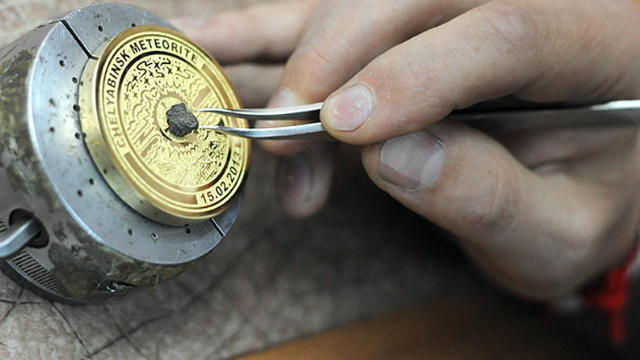
CREDIT: RIA Novosti / Aleksandr Kondratuk
The 2014 Sochi Winter Olympics will be doubly memorable for 10 lucky athletes who will top their respective events this weekend.
An article on the Astro Bob blog said the 10 special gold medals are to be given on the anniversary of Chelyabinsk fall, the largest witnessed meteorite fall in over 100 years.
“We will hand out our medals to all the athletes who will win gold on that day, because both the meteorite strike and the Olympic Games are global events,” it quoted Alexei Betekhtin, culture minister for the Chelyabinsk region, as saying.
Expected to receive the special gold medals are the winners in:
- men’s 1,500 meter speed skating
- women’s 1,000 meters and men’s 1,500 short track
- women’s cross-country skiing relay
- men’s K-125 ski jump
- women’s super-giant slalom
- men’s skeleton events.
On Feb. 15, 2013, a meteorite fall occurred over Chelyabinsk in Russia, exploding with up to 30 times the force of the atomic bomb over Hiroshima.
Some 1,500 were reportedly injured as shock waves from the explosion destroyed windows in the city's buildings.
The biggest fragment weighed 1,442 lbs and broke into three pieces when it was recovered and hoisted onto a scale.
'Ancient' gold
Astro Bob noted the gold itself is significant as recent research showed most gold is created when neutron stars collide and merge.
Neutron stars in turn are remnants of collapsed cores of supergiant stars after they went supernova.
As for the silver and copper (bronze) medalists, they won't be left out of the out-of-this-world experience as silver and copper were formed in the energy from supernovae blasts.
"So while only a few lucky ones will get a meteorite medal, all winners will receive souvenirs from the most cataclysmic events in the known universe," it said. — TJD, GMA News

