

 GMA Brandtalk
 Tracking
 Archives

ADVERTISEMENT
Filtered By: Scitech
SciTech
‘Bromances’ are healthy, animal study shows
+
Make this your preferred source to get more updates from this publisher on Google.
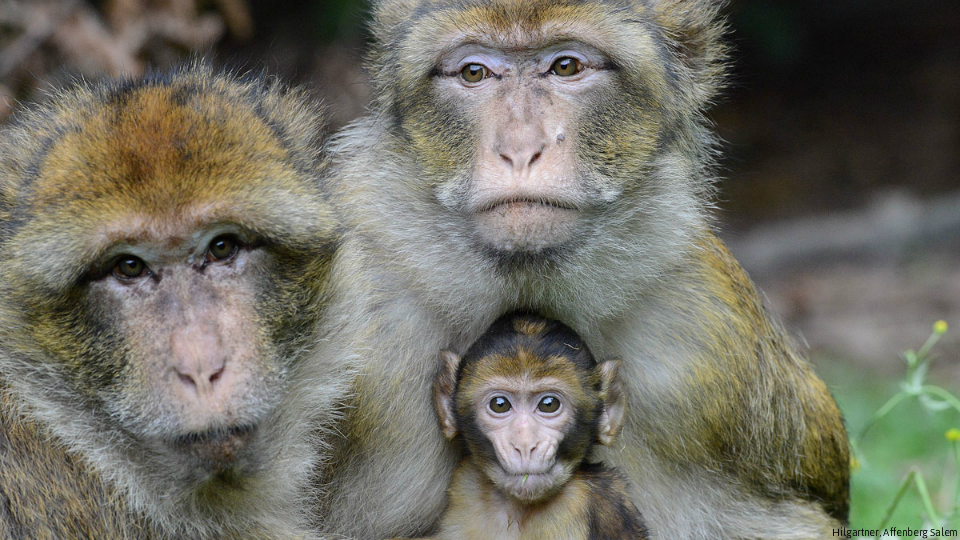
Bonded male Barbary macaques.
Researchers have discovered that wild male Barbary macaques (Macaca sylvanus) in Morocco that form close relationships with a few male "friends" experience less stress from aggression from groupmates and changes in temperature compared to those that only form weak social bonds.
'Social buffering'
While bromances have been observed in other animals, previous studies on how the "social buffering effect" decreases stress in males were focused on pair-bonded animals and whether the female partner was present or absent. The study was published in the journal, Proceedings of the National Academy of Sciences.
The study focused on 13 to 15 adult male Barbary macaques living in two social groups with adult females. The researchers recorded the level of aggression received by each male from other groupmates (social stress) and the coldest temperature of the day (environmental stress).
They also noted the strength of the three closest "friendships" each male had with other males, as measured by interactions like the time spent grooming each other, body contact, and helping look after an infant. The psychological stress experienced by each male was measured using their fecal glucocorticoid metabolite (fGCM) levels. Chronic high levels of fGCM, a stress hormone, is known to increase susceptibility to disease and death.
Stress reliever
They also noted the strength of the three closest "friendships" each male had with other males, as measured by interactions like the time spent grooming each other, body contact, and helping look after an infant. The psychological stress experienced by each male was measured using their fecal glucocorticoid metabolite (fGCM) levels. Chronic high levels of fGCM, a stress hormone, is known to increase susceptibility to disease and death.
Stress reliever
They discovered that the benefits of “bromancing” as a stress reliever increased with increased stress. At low stress levels, males with weak friendships had similar fGCM levels to those with strong friendships. However, at high levels of stress, those with stronger friendships had significantly lower fGCM levels compared to those with weak friendships.
Said study co-author Dr. Bonaventura Majolo, "We already know that female primates which lack these strong [social] bonds show increased mortality and reduced offspring survival, whereas those who established and maintain strong bonds cope better with stressful situations and live a longer life. Our findings show that males also benefit from maintaining strong bonds, and suggest that the ways in which social mammals affiliate, cooperate, and compete among each other is not fundamentally different in gregarious males and females." — TJD, GMA News
Macy Añonuevo earned her MS Marine Science degree from the University of the Philippines. She is a published science and travel writer and was a finalist in the 2013 World Responsible Tourism Awards under the Best Photography for Responsible Tourism category. Her writings and photographs may be found at www.theislandergirl.com.

