

 GMA Brandtalk
 Tracking
 Archives

Viral load may predict ventilator need, death risk; coronavirus damages red blood cells
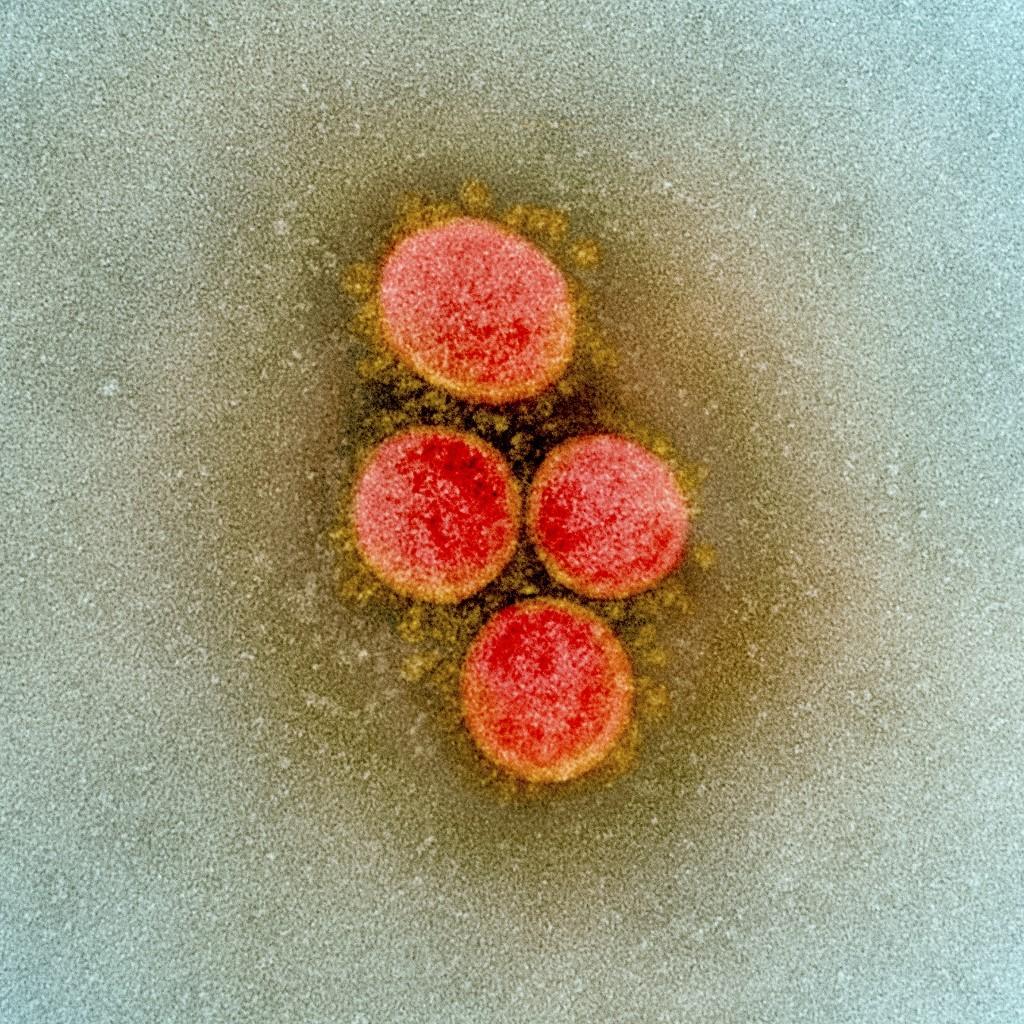
When coronavirus disease (COVID-19) patients are admitted to the hospital because of pneumonia, doctors can estimate their risk of needing mechanical breathing support or dying based on their "viral load" - the amount of virus genetic material obtained by swabbing the back of the nose and throat, a new study suggests.
"This risk can be predicted regardless of how sick they are when they are admitted, what other comorbidities they may have, their age or how many days they had symptoms," coauthor Dr. Ioannis Zacharioudakis of NYU School of Medicine told Reuters.
His team studied 314 patients, dividing them into three groups according to viral load upon hospital admission.
The group with highest viral levels had 59% higher odds of becoming critically ill or dying than the lowest viral load group.
The data, published on Friday in Annals of the American Thoracic Society, "will have practical implications in our ability to judge which patients will benefit the most from early escalation of care, treatment with antivirals and/or inclusion in trials of new therapeutics," Zacharioudakis said.
Novel coronavirus damages red blood cell membranes
The new coronavirus damages the membranes of oxygen-carrying red blood cells, contributing to the hypoxemia, or low blood concentrations of oxygen, common in COVID-19, researchers have found.
Signs of hypoxemia can range from shortness of breath to organ and tissue damage. Studying blood samples from COVID-19 patients and healthy individuals, researchers found the virus did not appear to affect red cells' ability to pick up oxygen and deliver it throughout the body.
But patients had "clear damage" to red cell membranes, in particular to a membrane protein responsible for helping the cell survive injuries. As a result, patients' red cells might be more vulnerable to so-called oxidative stress and other injury, coauthor Angelo D'Alessandro of the University of Colorado Denver said in an email.
Red cells circulate for up to 120 days before the body replaces them with new ones, and they cannot synthesize new components to replace the damaged parts.
This might help explain why some COVID-19 symptoms can last for months, D'Alessandro said. -- Reuters

