

 GMA Brandtalk
 Tracking
 Archives

COVID-19 may hurt male fertility; Mutations do not appear to help coronavirus spread faster
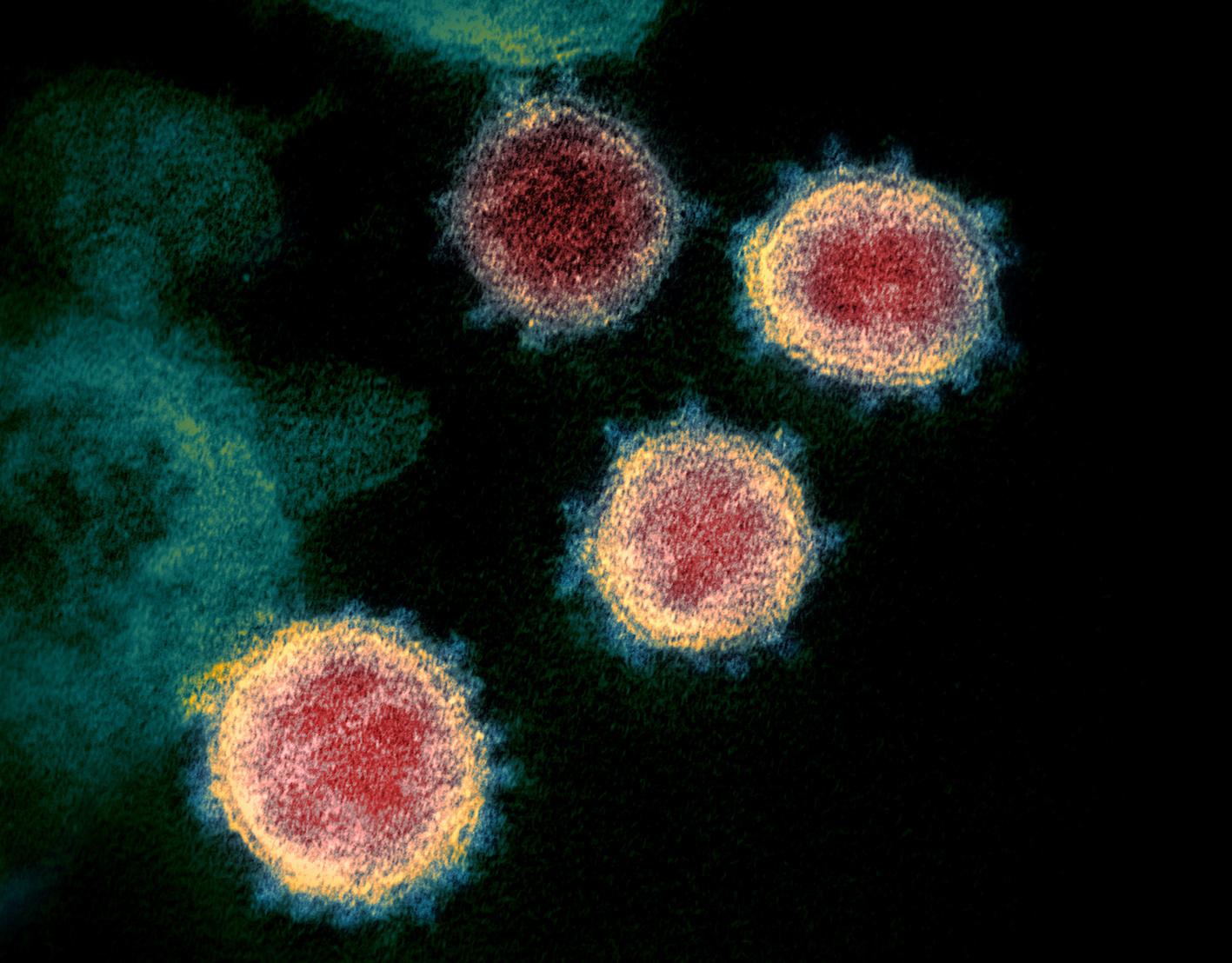
Evidence of testes damage from coronavirus disease (COVID-19) has been accumulating in a series of small autopsy studies, suggesting that the new coronavirus could have an impact on male fertility.
Researchers from the University of Miami in Florida compared testes tissues from six men who died of COVID-19 and three who died of other causes.
Three of the COVID-19 patients had testes damage that would impair their ability to produce sperm.
A Chinese research team made similar observations earlier this year and also found that some COVID-19 patients' immune systems "attacked" the testes, causing severe inflammation, or orchitis.
A separate Chinese team found "significant damage" to the basic cellular tissue of the testicles in 12 men who died of COVID-19.
"The possibility that COVID-19 damages the testes and impacts fertility ... warrants gonadal function evaluation in men infected with COVID-19, or who have recovered from COVID-19, and desire fertility," the Miami team concluded in a report published in the World Journal of Men's Health.
Mutations do not appear to help coronavirus spread faster
The novel coronavirus is picking up genetic changes as it spreads around the world, but the mutations currently documented do not appear to help it spread faster, scientists said on Wednesday in the journal Nature Communications.
Using a global dataset of virus genomes from 46,723 people with COVID-19 from 99 countries, researchers identified more than 12,700 mutations in the genetic material of the virus.
Of those, the scientists focused on 185 mutations that they found had occurred at least three times independently during the course of the pandemic.
"Fortunately, we found that none of these mutations are making COVID-19 spread more rapidly," said coauthor Lucy van Dorp of University College London's Genetics Institute.
Other experts, however, have suggested that one mutation, known as D614G, did increase transmissibility of the virus.
Francois Balloux, a UCL professor who worked on the study, said that its findings, for now, posed no threat to COVID-19 vaccine efficacy.
"The virus may well acquire vaccine-escape mutations in the future, but we're confident we'll be able to flag them up promptly, which would allow updating the vaccines in time if required," he said. -- Reuters

