

 GMA Brandtalk
 Tracking
 Archives

New vaccines may not be right for some cancer patients; Solid sewage beats wastewater for tracking virus
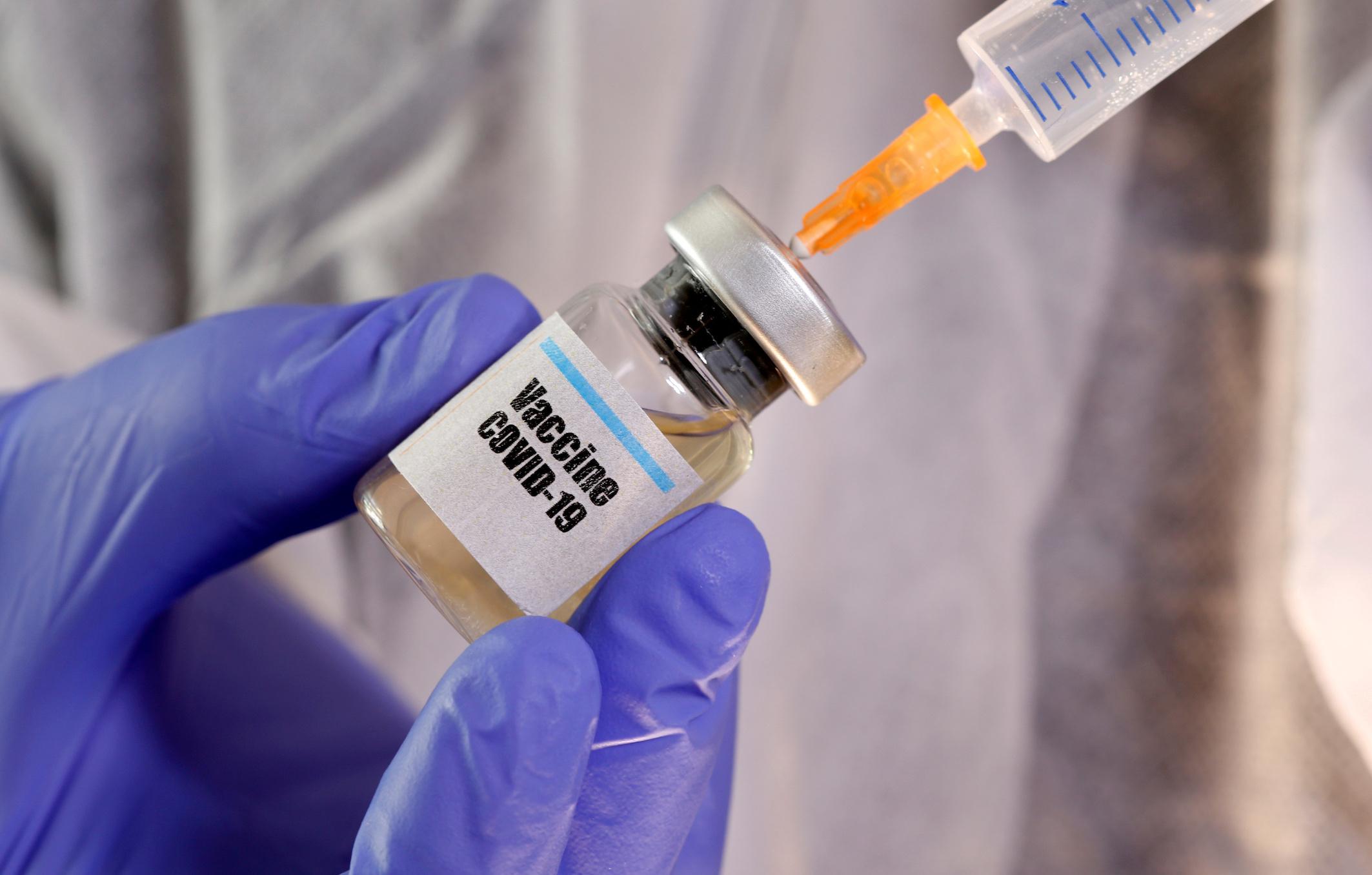
The following is a roundup of some of the latest scientific studies on the novel coronavirus and efforts to find treatments and vaccines for COVID-19, the illness caused by the virus.
mRNA vaccines may need more study for treating some cancer patients
Coronavirus disease (COVID-19) vaccines that employ new messenger RNA (mRNA) technology to fend off the illness may require further testing before it becomes clear they are safe for cancer patients with solid tumors, cancer treatment experts say.
That would include the vaccines from Pfizer Inc with partner BioNTech SE and from Moderna Inc.
The vaccines work by carrying genetic instructions for making a protein from the virus that the immune system learns to recognize and defend against.
The mRNA is encased in a microscopic "packet" called a lipid nanoparticle (LNP), or liposome, that protects and delivers the fragile molecule into cells.
While this technique is new for vaccines, it has long been used to carry cancer drugs into tumors, because tumors easily take up liposomes.
This raises the possibility that tumor tissues would capture some of the liposomes carrying the vaccine's mRNA, said Gerard Milano of Nice University in France.
The potential for part of the vaccine to become stuck in tumors and the resulting effect on cancer patients "is an open question to which there is currently no answer," Milano said.
In a paper published on Wednesday in the British Journal of Cancer, his team calls for "a careful evaluation of the efficacy of these promising mRNA COVID-19 vaccines administered as lipid carriers for patients with solid tumors, including a possible re-appraisal of the dosing for optimal protection of this specific and frail population."
Solid sewage beats wastewater for tracking COVID-19
Public health officials trying to track the spread of the new coronavirus might be better off looking for its genetic material in solid sewage rather than in wastewater, a new study suggests.
For several days in March and April, researchers collected and analyzed wastewater and the solids that settled out of the water at two California sewage treatment plants.
They reported on Wednesday in Environmental Science & Technology that concentrations of genetic material from the virus were up to 1,000 times higher in the solids than in the wastewater, making detection more sensitive and accurate for the solid samples.
They also analyzed settled solids collected over several months from waste treatment plants in a large urban area and found that concentrations of genetic material on different days correlated with the number of new COVID-19 cases reported on those days.
Co-author Krista Wigginton of the University of Michigan said that compared to extracting the virus from raw sewage, extracting it from solids "requires fewer steps and essentially the same equipment," potentially making it "a more straightforward and more sensitive approach" to COVID-19 surveillance. -- Reuters

