

 GMA Brandtalk
 Tracking
 Archives

Virus does not threaten US blood supply; High vitamin D levels do not protect against COVID-19
The following is a roundup of some of the latest scientific studies on the novel coronavirus and efforts to find treatments and vaccines for COVID-19, the illness caused by the virus.
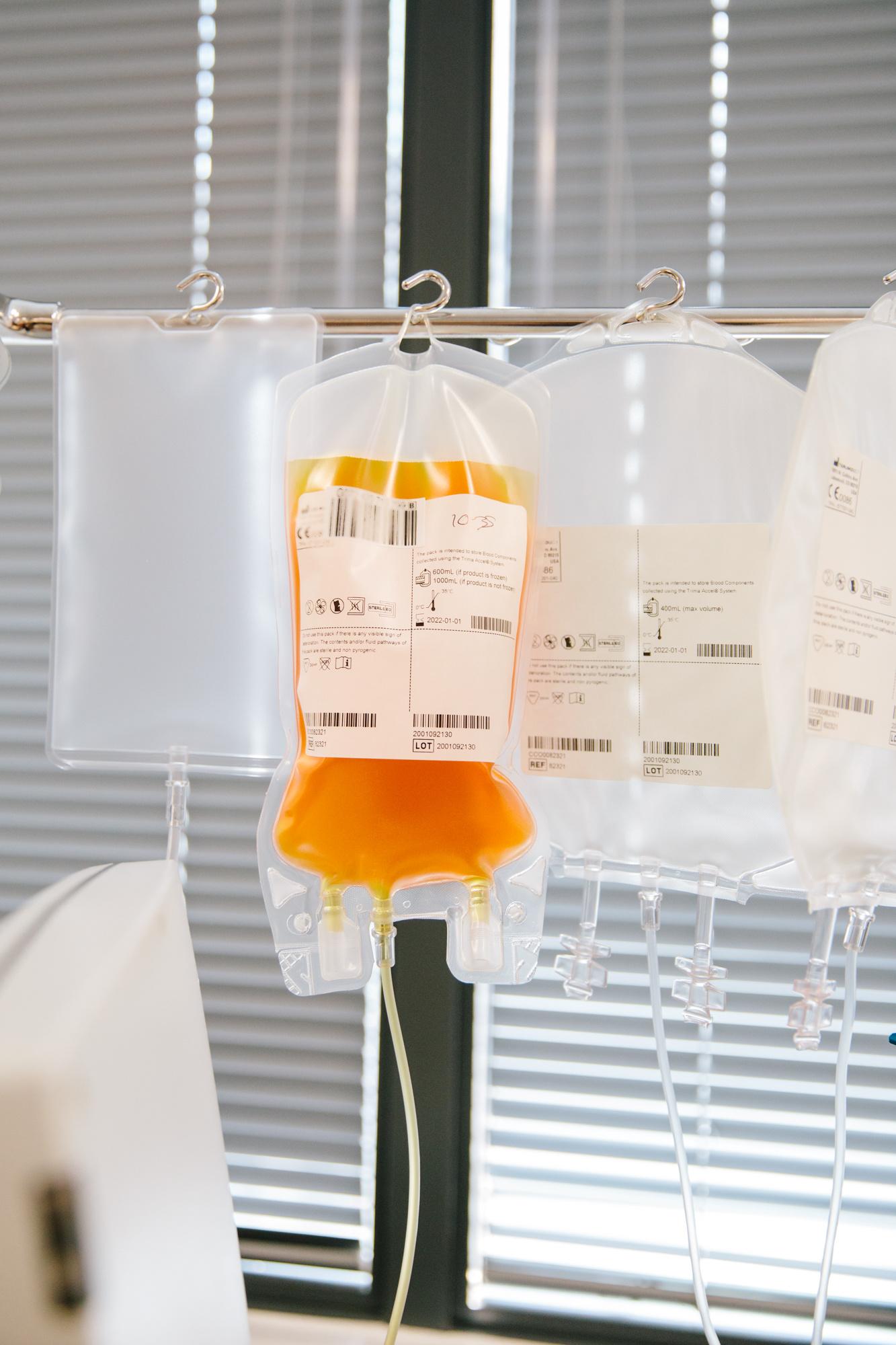
Coronavirus does not threaten US blood supply
Current guidelines for screening US blood donors for symptoms of COVID-19 and for a history of recent infections are effectively protecting the blood supply from contamination with the new coronavirus, researchers say.
In a study conducted for the National Institutes of Health, researchers tested nearly 18,000 "minipools" of blood samples – that is, blood samples pooled from total of roughly 258,000 donors from across the country.
Only three minipools contained genetic material from the virus, according to a report published in the journal Transfusion.
In all three, the viral levels were low.
In the one minipool that could be tested for infectivity, the virus material was noninfectious, the researchers said.
"Other studies have shown that in rare cases where a blood sample tested positive, transmission by blood transfusion has not occurred," coauthor Sonia Bakkour of the University of California, San Francisco, said in a statement.
"Therefore, it appears safe to receive blood as a transfusion recipient and to keep donating blood, without fear of transmitting COVID-19 as long as current screenings are used."
High vitamin D levels do not protect against COVID-19
Low levels of vitamin D have been tied to higher risks for COVID-19 and more severe illness, although no studies have proved that vitamin D deficiency is actually to blame.
A study published on Tuesday in PLoS Medicine suggests that boosting vitamin D levels with supplements would not help.
Researchers studied more than 1.2 million people of European ancestry from 11 countries, some of whom had genetic variants that result in naturally higher levels of vitamin D.
People with these variants did not have a lower risk for coronavirus infection, hospitalization, or severe COVID-19, the researchers reported.
Their results suggest that boosting vitamin D levels in deficient people probably would not help combat the coronavirus, and they do not believe randomized trials testing vitamin D supplementation would be worthwhile.
Other experts, however, would still like to see such trials, especially in people of African and other non-European ancestries. -- Reuters

