

 GMA Brandtalk
 Tracking
 Archives

Breakthrough infections can lead to long COVID; Genes may explain critical illness in young, healthy adults
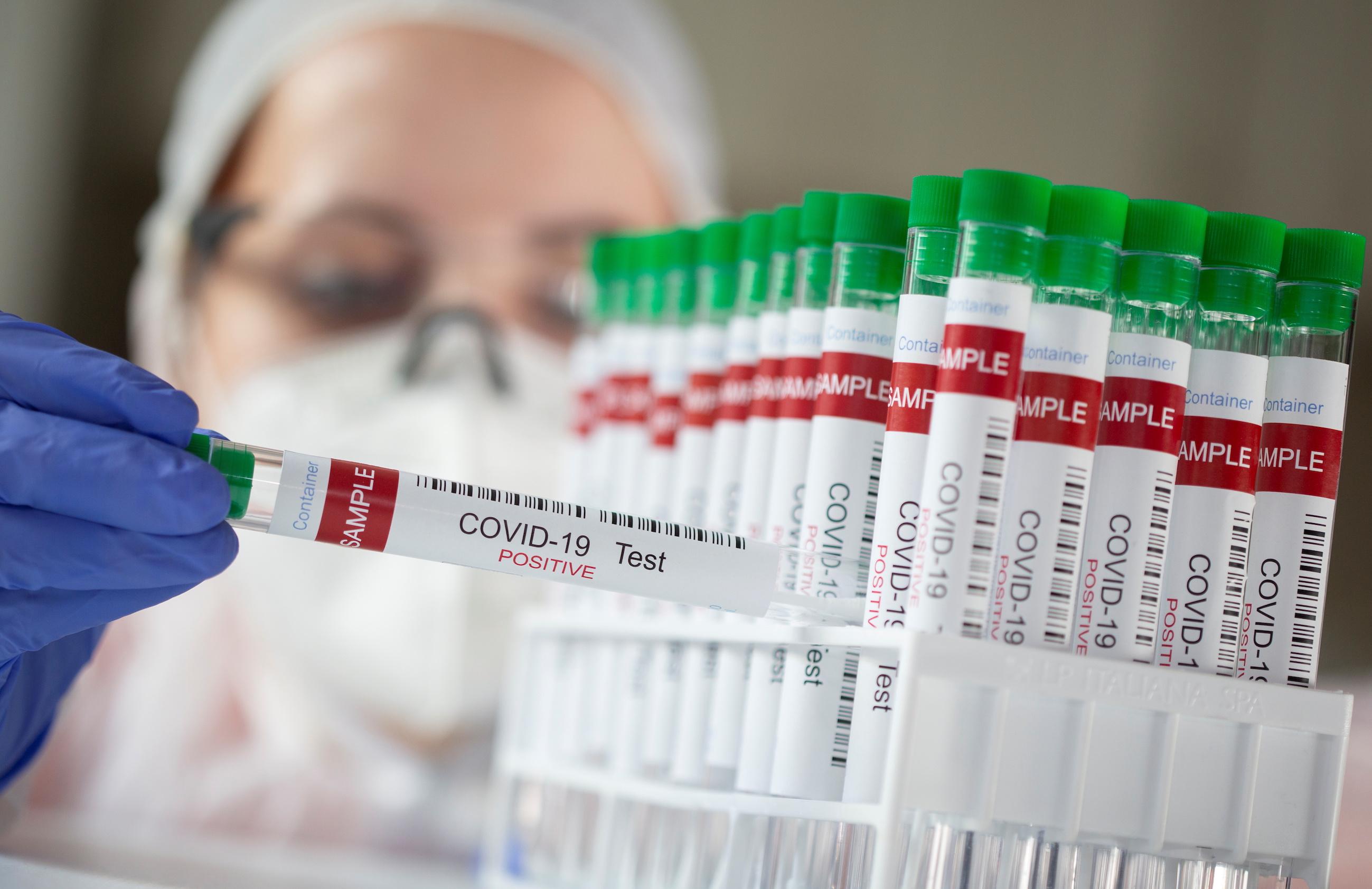
The following is a summary of some recent studies on COVID-19. They include research that warrants further study to corroborate the findings and that have yet to be certified by peer review.
Breakthrough infections can lead to long COVID-19
The persistent syndrome of COVID-19 after-effects known as long COVID can develop after "breakthrough" infections in vaccinated people, a new study shows.
Researchers at Oxford University in the UK reviewed data on nearly 20,000 US COVID-19 patients, half of whom had been vaccinated.
Compared to unvaccinated patients, people who were fully vaccinated - and in particular those under age 60 - did have lower risks for death and serious complications such as lung failure, need for mechanical ventilation, ICU admission, life-threatening blood clots, seizures, and psychosis.
"On the other hand," the research team reported on medRxiv on Tuesday ahead of peer review, "previous vaccination does not appear to protect against several previously documented outcomes of COVID-19 such as long COVID features, arrhythmia, joint pain, Type 2 diabetes, liver disease, sleep disorders, and mood and anxiety disorders."
The absence of protection from long COVID "is concerning given the high incidence and burden" of these lasting problems, they added.
Genes may explain critical COVID-19 in young, healthy adults
A gene that helps the coronavirus reproduce itself might contribute to life-threatening COVID-19 in young, otherwise healthy people, new findings suggest.
French researchers studied 72 hospitalized COVID-19 patients under age 50, including 47 who were critically ill and 25 with non-critical illness, plus 22 healthy volunteers.
None of the patients had any of the chronic conditions known to increase the risk for poor outcomes, such as heart disease or diabetes.
Genetic analysis identified five genes that were significantly "upregulated," or more active, in the patients with critical illness, of which the most frequent was a gene called ADAM9.
As reported on Tuesday in Science Translational Medicine, the researchers saw the same genetic pattern in a separate group of 154 COVID-19 patients, including 81 who were critically ill.
Later, in lab experiments using human lung cells infected with the coronavirus, they found that blocking the activity of the ADAM9 gene made it harder for the virus to make copies of itself.
More research is needed, they say, to confirm their findings and to determine whether it would be worthwhile to develop treatments to block ADAM9. -- Reuters

