

 GMA Brandtalk
 Tracking
 Archives

Omicron's route into cells helps explain symptom profile — study
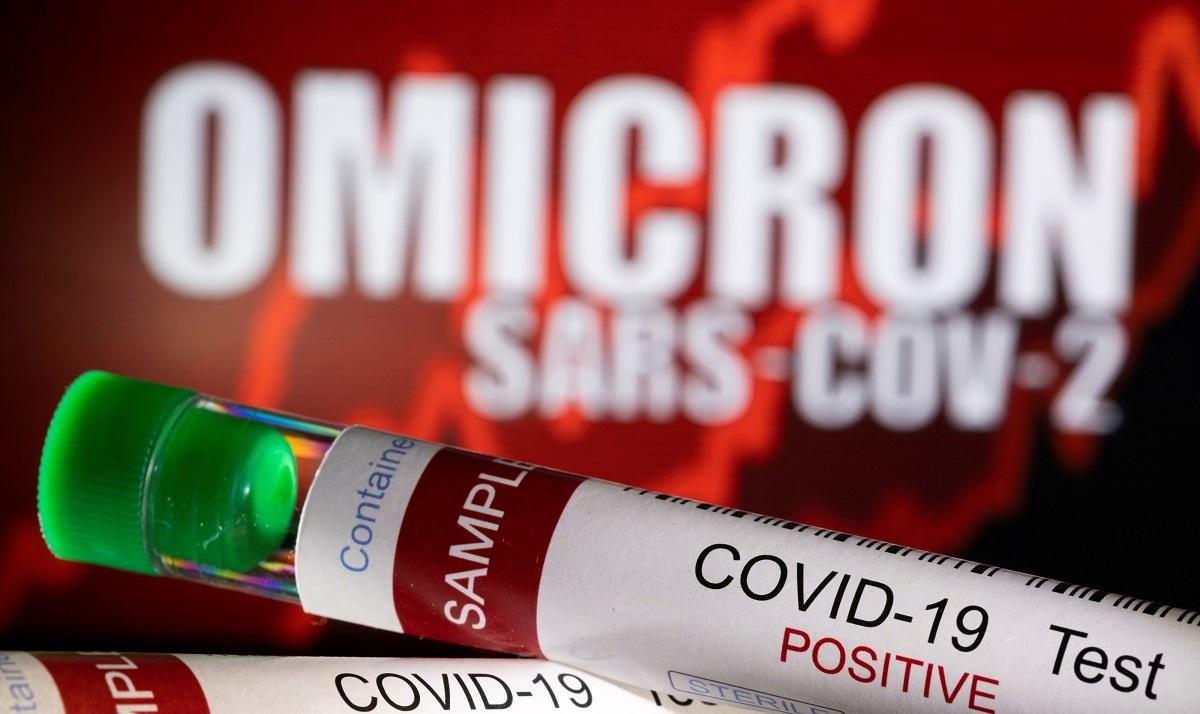
The Omicron variant's method of infecting cells is different from the mechanism most often used by earlier SARS-CoV-2 variants, which could help explain Omicron's milder symptom profile, a study published in Nature suggests.
Earlier variants use the ACE2 protein on cell surfaces and an enzyme called TMPRSS2 to fuse themselves to the cell membrane and inject their genetic material inside.
Omicron prefers to enter cells by creating tiny sacs in the cell membrane called endosomes that cells use to transport materials internally, researchers found.
Omicron still attaches itself to ACE2 proteins, but it does not need help from TMPRSS2.
In fact, Omicron multiplies most readily in tissues where TMPRSS2 is scarce, such as the nose.
In the lungs, where TMPRSS2 is plentiful, Omicron has spread less effectively and caused less damage than earlier variants.
The findings help explain "why the disease is less severe and causes less pneumonia" with Omicron, said Dr. Ravindra Gupta of the Cambridge Institute of Therapeutic Immunology and Infectious Diseases in the UK.
Gupta also noted that drugs targeting TMPRSS2, such as camostat mesylate, a pancreatitis treatment that has shown some benefit in COVID-19 patients, may be less useful with Omicron. -- Reuters

