

 GMA Brandtalk
 Tracking
 Archives

Endocrine-disrupting compounds found in 4 rivers in NCR, Region 3—UP study
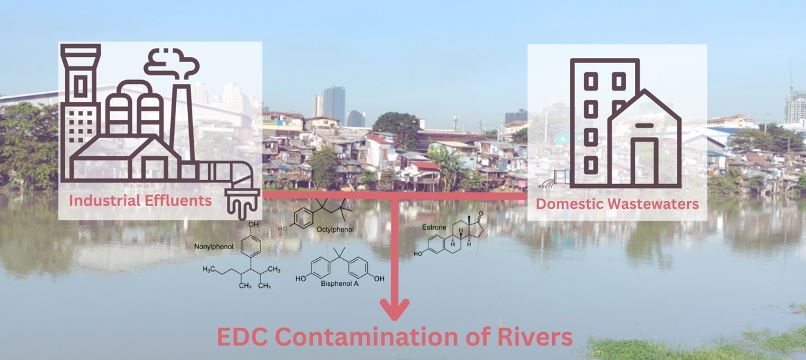
Four rivers located in Metro Manila and Luzon "demonstrated" the presence of endocrine-disrupting compounds (EDCs), which may have "harmful effects on aquatic organisms and humans," research of the University of the Philippines (UP) Diliman College of Science Institute of Chemistry showed.
"EDCs are mixes of chemicals that can mimic hormones and thus adversely affect hormone regulation in the human body," according to the study of Dr. Maria Pythias Espino and research assistants Kate Galera and Katrina Sta. Ana.
The occurrence and concentrations of EDCs were found in the Marikina, Pasig, Angat, and Pampanga rivers.
Water samples from the four rivers were processed by "solid-phase extraction and analyzed by liquid chromatography with tandem mass spectrometry, a method of separating and identifying compounds in ultra-trace concentrations," the study said.
"Long-term exposure to these compounds can lead to a number of endocrine-related health issues, such as respiratory and neurodevelopmental problems, infertility, diabetes, obesity, and even prostate or breast cancer. Because of this, EDCs are considered water contaminants of emerging concern (CEC)," said the study, which is part of the Department of Science and Technology's project called “Post-Wastewater Treatment Determination of Endocrine Disrupting Compounds for Interventions."
“In the Philippines, it is important to know the presence and concentrations of EDCs in aquatic systems because many Filipinos depend on aquaculture and fishing for livelihood and subsistence,” said the researchers in their paper.
“Even in nanogram per liter to microgram per liter concentrations, these contaminants of emerging concern may have harmful effects on aquatic organisms and humans. The findings are critical evidence of contamination because there are no regulatory guidelines yet on these contaminants in the waterways and water systems,” they added.
E1, or estrone, is a hormone that can induce endocrine-disrupting effects even at low concentrations of long-term exposure, such as fertility issues in aquatic organisms.
E1 is the only hormone detected to date in this study of the rivers. Its presence was attributed to municipal wastewater since this type of hormone can come from human and animal waste, the study said.
It added that industrial chemicals bisphenol A, nonylphenol, and octylphenol were also detected in the rivers.
The researchers believed that this was due to their "extensive use in manufacturing various products such as detergents, textiles, plastics, and many more." However, they clarified that the concentrations are still below international guideline values.
"The US, Canada, and the EU have guidelines for some EDCs in their environmental waters. The Philippines, however, does not have guideline values yet for the regulation of these compounds, nor the wastewater treatment facilities that would ensure the mitigation of CECs," the researchers said.
They expressed hope their findings would prod concerned government agencies to formulate national guidelines for the monitoring and control of the contaminants.
To improve the water quality in the rivers of Metro Manila and nearby provinces, the UP researchers proposed more cleanup efforts, effective regulations in wastewater treatment, and sustainable water resource management policies. —LDF, GMA Integrated News

