

 GMA Brandtalk
 Tracking
 Archives

Philippine tarsier mapped in 29 provinces —Facebook data
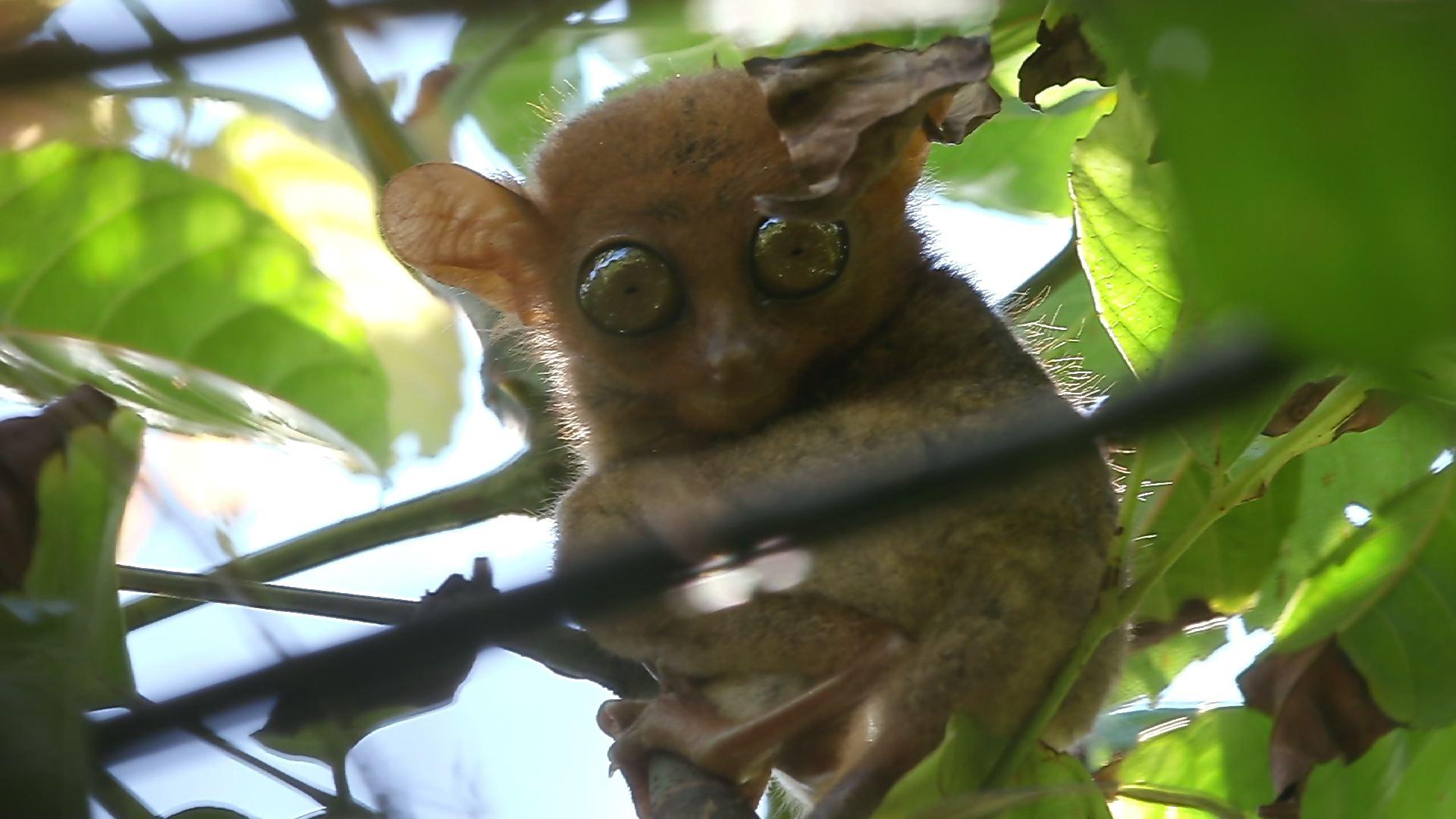
The Philippine tarsier may be far more widespread and adaptable than previously documented, according to a new study by researchers from the University of the Philippines Diliman.
Biologists Maria Sabrina Tabeta and Simeon Gabriel Bejar of the UP Diliman Institute of Biology analyzed 1,125 public Facebook posts from 2006 to 2024 that reported encounters with tarsiers.
Their findings, published in the International Journal of Primatology, revealed tarsier sightings in 29 provinces—more than double the number listed in conservation databases such as the IUCN Red List and iNaturalist.
“What we found was astonishing. People reported encountering tarsiers in areas well beyond the species’ known distribution," the researchers said.
Most of the encounters occurred in the Greater Mindanao Faunal Region, which includes Mindanao, Leyte, Samar, Bohol, Camiguin, and nearby islands. The researchers mapped these reports and found that many were located outside designated Protected Areas and Key Biodiversity Areas, suggesting the species may be more resilient to human-altered landscapes than previously assumed.
While a large portion of the posts were related to ecotourism, the study also documented tarsiers being kept in captivity, confiscated and turned over to authorities, rescued, injured, or found dead.
Among the emerging threats identified through the posts were dog and cat attacks, forest fires, and infrastructure development—indications of increasing human-tarsier interaction.
“This study demonstrates the value of social media as a tool for wildlife monitoring," Tabeta and Bejar said.
"It fills critical data gaps in conventional research and helps identify both opportunities and threats to species conservation."
To support continued documentation and public engagement, the researchers launched the Philippine Tarsier Conservation and Research Initiative on Facebook.
The page serves as a platform for sharing verified sightings, raising awareness, and promoting efforts to protect the tarsier, one of the country’s most iconic and endangered primates. —VAL, GMA Integrated News

