

 GMA Brandtalk
 Tracking
 Archives

How can bird perches help in forest regeneration? Scientists find out
Bird perches may help regenerate forests naturally, but there are other factors to consider, according to a study by a group of scientists.
The study conducted by Jelaine Gan of the University of the Philippines Institute of Biology and researchers from the Norwegian Institute for Nature Research and some UK universities highlighted the necessity of restoring degraded forests.
“Deforestation is a major threat to biodiversity and important regulatory processes related to carbon, energy, and water cycles. Globally within the last decade, from 2010 to 2020, we experienced a net forest loss of 4.7 million ha per year due to agricultural expansion, urbanization, and other anthropogenic pressures,” the study said.
“There is a critical need and urgency to protect remaining forests and restore degraded areas, reflected in local and international commitments and declarations (e.g., New York Declaration on Forests, UN Decade on Ecosystem Restoration, COP26 climate summit). However, with the slow and little progress over the years, there are doubts that targets will be met.”
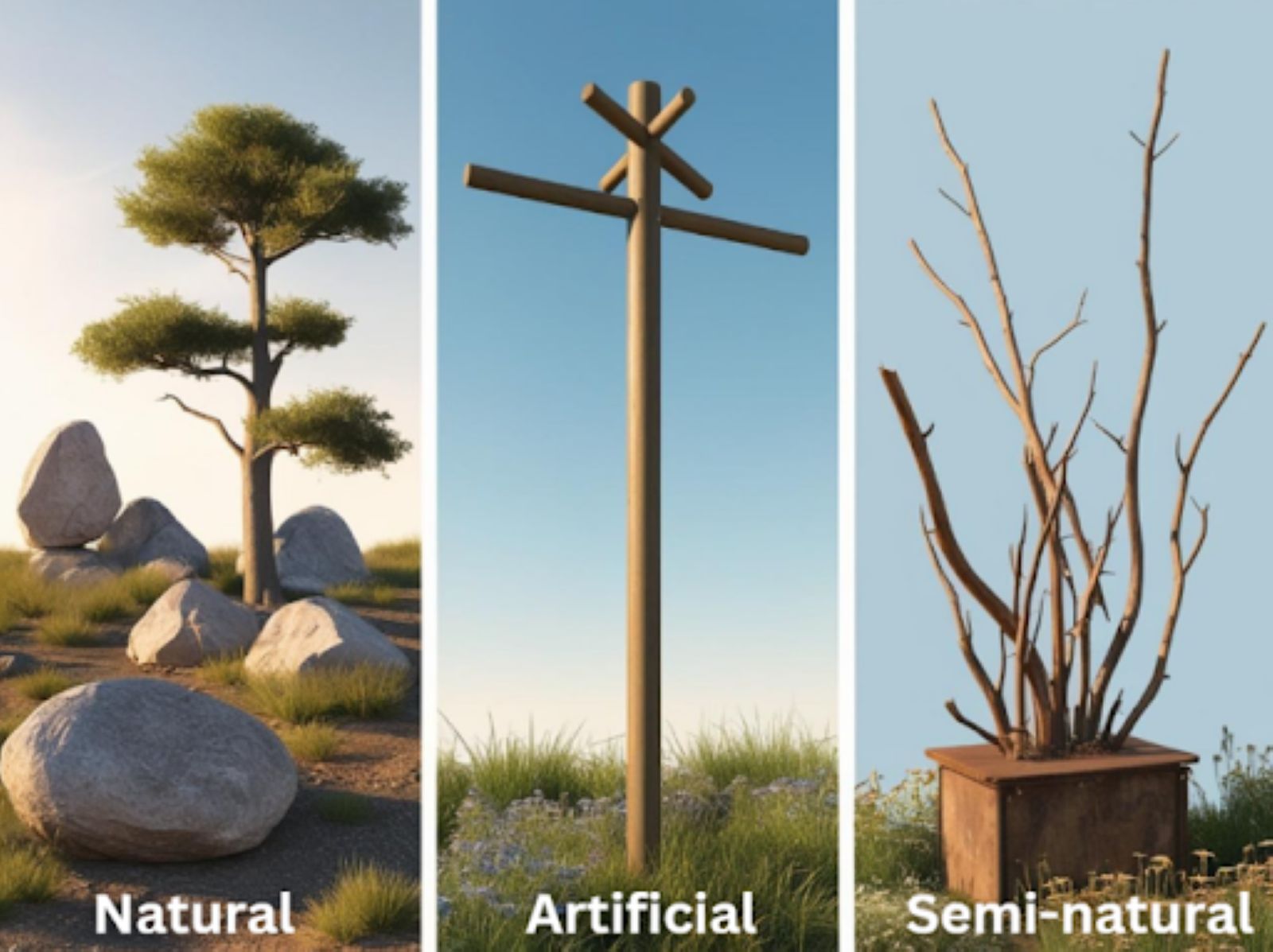
The scientists said that reforestation efforts are possible through assisted natural regeneration strategies that could attract birds as seed dispersers. These include the use of artificial or natural perches for birds, planting of fruit trees, or tree islands.
Perches can be man-made, such as wooden poles or PVC pipes, or natural, such as trees or rocks.
The researchers said that while artificial and semi-natural perches “were generally effective in increasing seed density and richness,” they noted that natural perches, such as tree islets and single standing trees, appear to be more effective as they “have been part of the landscape for a longer time.”
“Foraging by birds can be influenced by spatial memory, wherein individuals or groups revisit trees and/or patches [that] had provided them food in the past, as well as by social learning from peers or other foragers. Tree perches with substantial foliage also offer more cover and hence protection against predators than artificial perches, thus resulting in higher frugivore visits,” the scientists said.
However, the researchers said that there are other factors that affect natural seed dispersal through perching.
“In open landscapes, birds have no other options for perching; thus, installing artificial perches can have a greater positive impact on seed rain and/or seedling establishment compared to areas with alternative perches (e.g., other trees in the shrubland),” the study read.
“Even if seed arrival was improved by perches, seeds must germinate and establish as seedlings for the forest to regenerate. We found positive effects on seedling density and potentially on richness when using natural perches but not with artificial or semi-natural perches,” it added.
“Hence, placing artificial perches has limited potential for accelerating forest regeneration.” — VBL, GMA Integrated News

