

 GMA Brandtalk
 Tracking
 Archives

UPLB identifies gene to weaken sweetpotato weevil
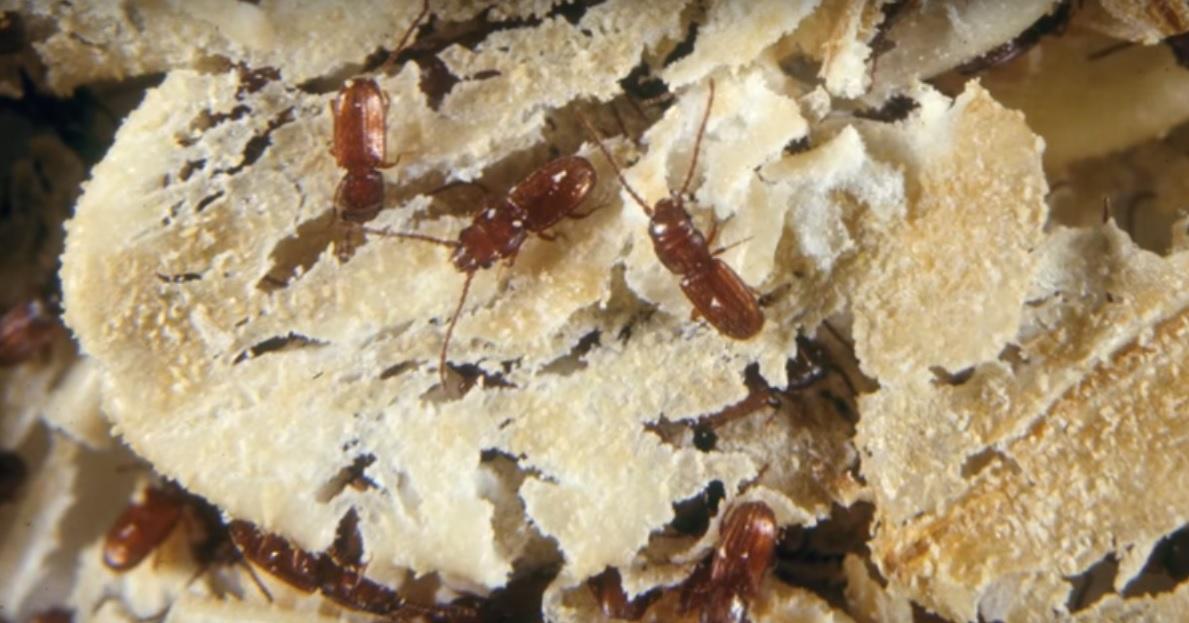
Researchers at the University of the Philippines Los Baños (UPLB) have identified a gene responsible for the development of the sweetpotato weevil, which could make the pest easier to control.
The sweetpotato weevil is a pest that destroys the root crop, which can cause yield losses of up to 100%, according to the Department of Science and Technology - Philippine Council for Agriculture, Aquatic and Natural Resources Research and Development (DOST-PCAARRD).
Its larvae damage plants by burrowing into tubers and feeding on them, while adult weevils worsen infestations by laying eggs in the upper parts of the plant, which increases the risk of fungal infections.
UPLB researchers used ribonucleic acid interference (RNAi) to identify the gene responsible for the development of the insect’s exoskeleton, or hard outer shell.
It is a process that silences specific genes and prevents insects from producing proteins.
This can disrupt vital functions in insect pests such as growth, reproduction, or survival.
Funded by DOST-PCAARD, the study is titled “Exploring the Efficacy of RNA Interference (RNAi) as a Biopesticide for Managing Sweetpotato Weevil, Cylas formicarius (Fabr.).”
Researchers have isolated and cloned a gene vital for forming the insect’s shell, mass-produced it in larger volumes, and stored it in a solution at low temperature.
Further studies will be carried out to develop an RNAi-based product that farmers can use to help control sweetpotato weevils in the field. —LDF, GMA Integrated News

