

 GMA Brandtalk
 Tracking
 Archives

New Pinoy innovations are result of zero-waste agri product efforts
From roof insulation made from indigenous fibers to snack chips sourced from pili pulp, these local innovations aim for zero-waste agricultural products.
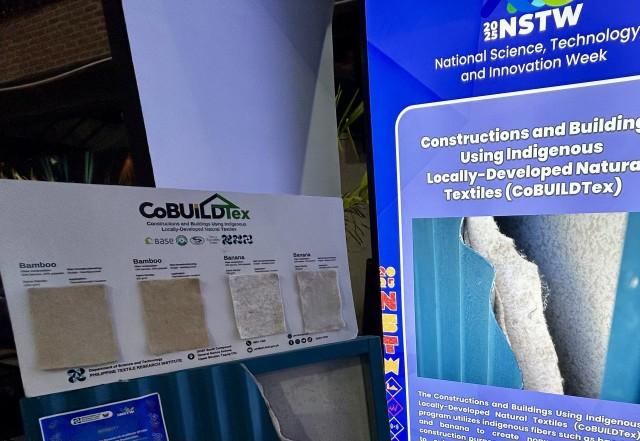
Under the Constructions and Buildings Using Indigenous Locally-Developed Natural Textiles (CoBUILTex) Program, agricultural by-products such as bamboo poles, banana pseudostems, and coconut coir or fibre are used to create non-woven panels for construction.
Bamboo is typically used for furniture, while its shoots are edible as food. Bananas and coconuts are mainly grown for food.
Agricultural by-products are the leftover materials from crop and livestock farming, which are often considered waste material.
The program chose bamboo poles, banana pseudostems, and coconut coir for their availability, abundance and low cost value.
Made via dry-laid needle-punching technology, the non-woven panels aim to reduce heat and noise, as they can serve as wall and roof insulators and can evenly diffuse light.
These non-woven panels can also serve as soundproofing panels, which are often made of acoustic foam from synthetic materials.
The CoBUILTex Program is under the Department of Science and Technology - Philippine Textile Research Institute.
Snacks from Pili Pulp
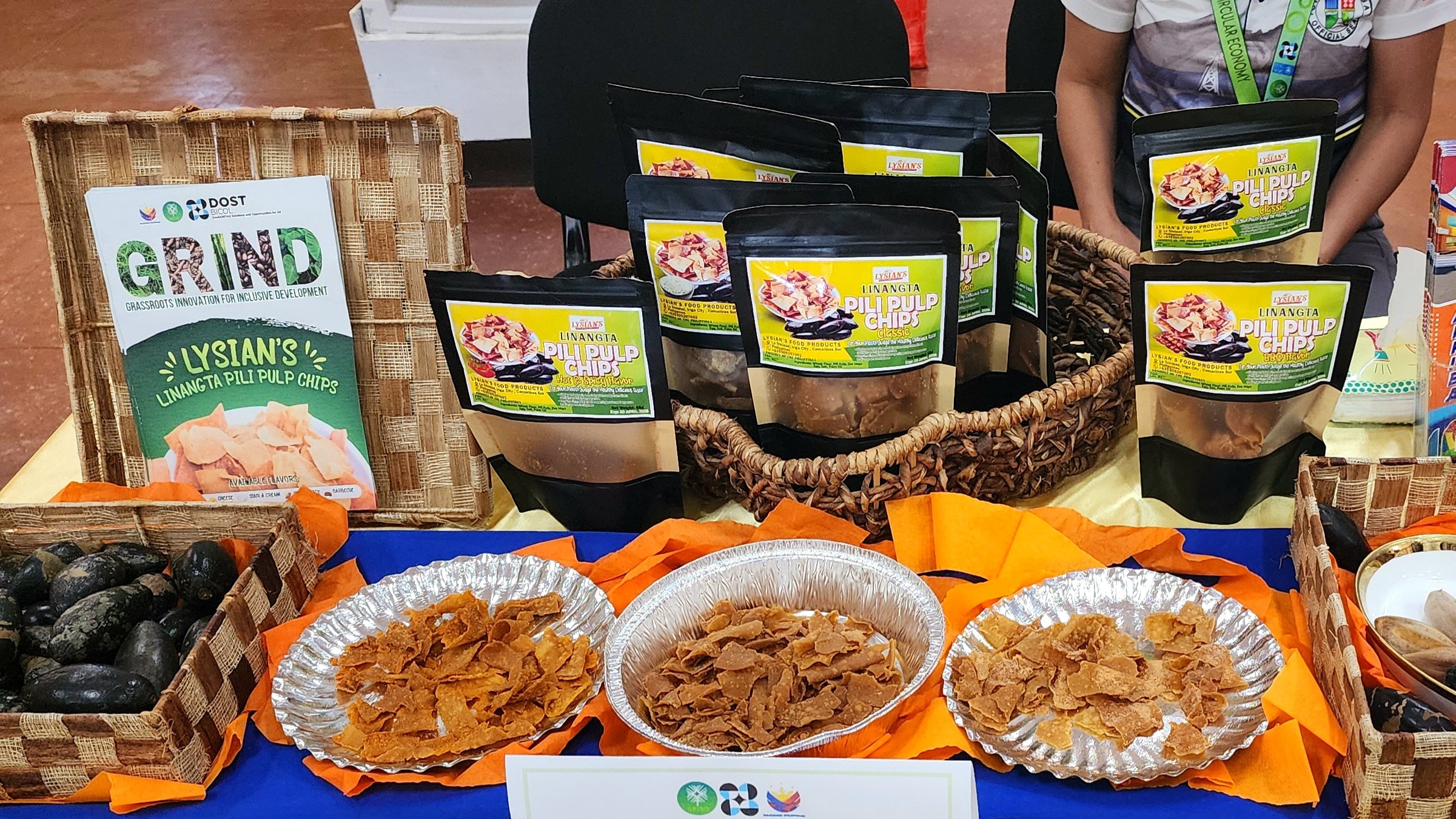
This innovation from Camarines Sur turns pili pulp into chips with flavors like sour cream, spicy, and barbecue.
Featured in the Grassroots Innovation and Circular Economy (GICE) 2025 expo in Batac City, Ilocos Norte, Lysian’s Linangta Pilipi Pulp Chips aims to make full use of every part of the pili fruit.
In an interview, innovator Merly Praxide said the creation of the Pili chips started this year.
“Ang kagandahan sa product hindi na kailangan mag import ng ingredients sa ibang bansa kasi nasa Pilipinas lang po siya,” Praxide told GMA News Online.
(The advantage of this product is that there’s no need to import ingredients from other countries since everything is sourced locally in the Philippines.)
She explained that while pili nuts are eaten, their shells are used for handicraft.
In 2023, the Department of Agriculture said approximately 90% of the country’s pili production came from the Bicol Region. —RF, GMA Integrated News

