

 GMA Brandtalk
 Tracking
 Archives

DOST, NRCP push for stronger, broader PH research efforts
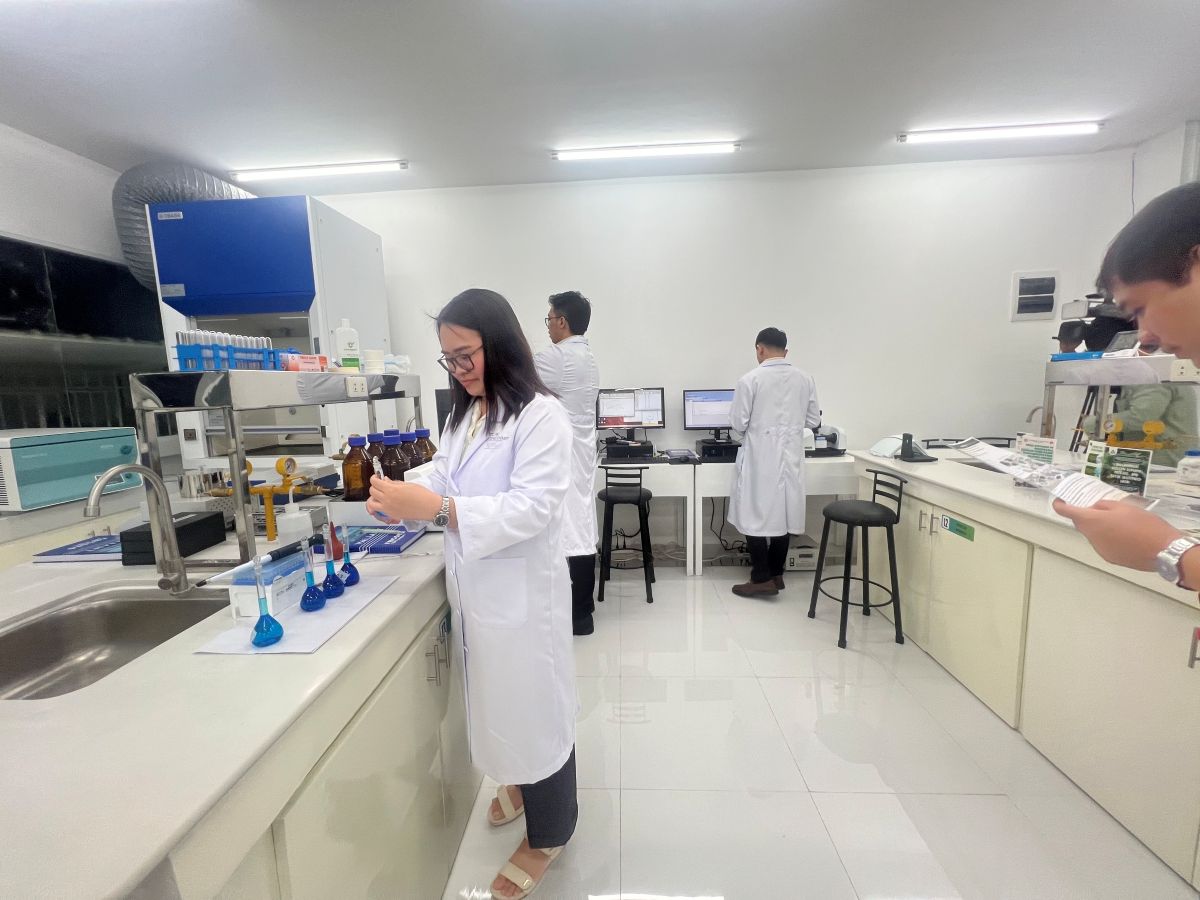
The Department of Science and Technology (DOST) and the National Research Council of the Philippines (NCRP) underscored Wednesday the role of research and development in enriching knowledge and creating opportunities for science-based solutions across the country.
During the 2025 RDLead Conference and Year-End Assembly in Pasay City, NRCP President Dr. Ma. Louise Antonette de las Peñas said the Philippines still has a long way to go in research and development (R&D) despite its recent progress and improvements in the field.
De las Peñas highlighted the need to make Philippine research broader and more inclusive, saying many sectors have yet to be progressive with research efforts.
"It is also important to recognize these concerns to think of solutions that can address them. Although there will be concerns or frustrations along our journey, let us be reminded that these reasons for not engaging in research must not consume us. We must be aware that these challenges and hurdles can put out the fire in us to aspire to become researchers, and equally important, as educators of future generations," De las Peñas told attendees.
Established in 2018 and led by the NRCP, the Research and Development Leadership to Foster an Inclusive Research Ecosystem (RDLead FIRE) program helps researchers and RD (research and development) Leaders engaged with experts and policy leaders who can help strengthen the research capabilities of the academe and other research institutions.
De las Peñas encouraged research and RD Leaders to pursue policies and initiatives to help improve the state of R&D in the country.
"I wish to reiterate that the success of the RDLead FIRE will continue to need each of you, our RD Leaders, the researchers and administrators of our host institutions, our partners at the DOST and NRCP's fellow attached agencies, and our external collaborators. Like the pilot implementation of the RDLead, RDLead FIRE is not without its own challenges. I am sure that with everyone's sparks turning into synergy, we will overcome all of these and together we can build an even more inclusive reasearch community across all regions in our country," she said.
As of 2025, there are 116 RD Leaders and 114 host institutions conducting research and development across the Philippines.
Human capital
For his part, DOST Secretary Renato Solidum said the Philippines' greatest asset is human capital, which builds a foundation of "safety, support, and progress" during difficult times through expertise, knowledge, and dedication.
"We need each other to keep our individual fire burning. We at the DOST cannot do it on our own. We need your expertise, knowledge, dedication, and burning passion to keep pursuing research and innovation for our country despite the odds. I have always believed that the country's capable, adaptable, resourceful, and committed human capital is one of our greatest assets," Solidum said.
Meanwhile, DOST Undersecretary Maridon Sahagun pointed out the role of research institutions in fostering collaborations, proposals, and key studies that continue to build the country's research landscape.
"It takes sincerity to open your doors to outside expertise and boldness to reshape systems that have served you for years. Because of your willingness to evolve, you have transformed the program's vision into tangible outcomes that uplift communities and strengthen our national research landscape," Sahagun said. — VDV, GMA Integrated News

