

 GMA Brandtalk
 Tracking
 Archives

What is the Pink Moon? Why it won’t appear pink in PH
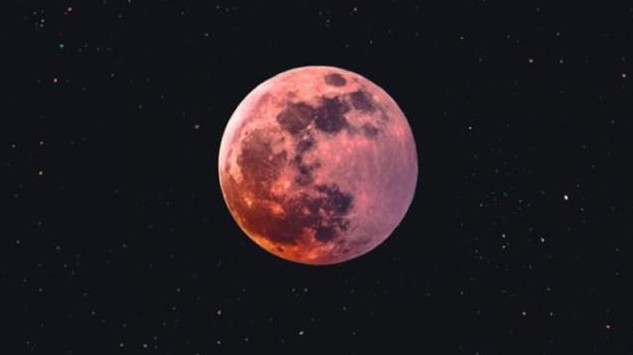
The “Pink Moon” will be visible in Philippine skies from Wednesday to Thursday, but it may not appear as most people expect.
In a message to GMA News Online, the Philippine Space Agency (PhilSA) clarified that the Pink Moon is simply a cultural and seasonal marker.
The Space Science and Astronomy Section of Philippine Atmospheric, Geophysical and Astronomical Services Administration (PAGASA) said the term originated in North America and is linked to pink wildflowers that bloom around April.
“It’s purely a cultural designation. The concept of a ‘Pink Moon’ does not hold significance in regions outside of North America, such as the Philippines, where the cultural context behind the nickname may not apply,” PAGASA said.
PhilSA said the term represents change, particularly the transition into spring in other parts of the world, adding that while it may not be commonly used in the Philippines, the concept remains relatable.
"We also pay attention to seasonal shifts, whether it is the warmer months or the approach of the rainy season. It is the same way of connecting nature and time,” it added.
PhilSA noted that the Pink Moon will not actually appear pink, but rather as a typical full moon.
However, it may appear yellowish or slightly orange due to the Earth’s atmosphere.
“This is because of the Earth’s atmosphere, similar to how sunsets appear warmer in color. In places like Metro Manila, humidity or light haze can make this effect more noticeable. So it may look warmer in tone, but not pink,” the agency said.
The Pink Moon, often associated with the time of year it occurs, appears once annually as the first full moon of April, marking the spring season in other parts of the world.
While the Philippines does not experience spring, the event remains an annual celestial observation that is easy to view, provided the skies are clear.
“Based on how these events are shared in the media and online, they often spark curiosity. People begin asking simple but important questions, such as why the Moon sometimes appears different in color or why it is given certain names," it said.
"This curiosity plays an important role in encouraging greater interest in astronomy and space science,” PhilSA added.—MCG, GMA News

