

 GMA Brandtalk
 Tracking
 Archives

PH ‘rock-eating’ shipworm from Bohol vies for International Mollusc of the Year
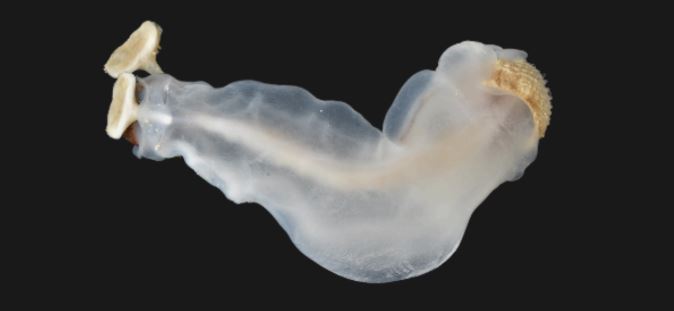
A newly discovered marine species found only in Bohol is representing the Philippines in an international science competition, drawing attention for its unusual ability to bore through and consume rock.
The species, locally known as the antingaw (Lithoredo abatanica), is one of five finalists in the International Mollusc of the Year, an annual competition decided by public vote and organized by global research institutions.
Unlike typical shipworms—which burrow through wood—the antingaw is the first known of its kind to live in and ingest limestone, making it a rare freshwater invertebrate with unique biological traits.
Researchers from the UP Marine Science Institute said the species stands out within the shipworm family due to its ability to bore into stone using specialized shell structures adapted for cutting through rock instead of wood.
Despite being called a “shipworm,” the organism is actually a type of clam, with an elongated body and small shell structures at its head used for burrowing. In the case of the antingaw, these structures have evolved into blunt, stone-cutting surfaces, with studies confirming the presence of limestone in its digestive system.
The species is found exclusively in the Abatan River in Bohol, making it both geographically limited and scientifically significant.
Scientists are still studying how the antingaw derives nutrients from rock, with early findings suggesting that symbiotic microorganisms in its body may play a role in breaking down inorganic material—similar to how related species digest wood.
Beyond its unusual biology, researchers say the species could have potential applications in biotechnology, particularly if its genome is fully sequenced—a prize awarded to the competition’s winner.
The campaign for the antingaw is being led by UP Marine Science Institute, which is encouraging public participation in the global vote. Voting runs until April 26.
The competition includes entries from researchers in Italy, Australia, Seychelles, and the United States.
Scientists said recognition in the competition could help boost awareness of Philippine biodiversity and support ongoing research into marine species with potential scientific and medical value. —LDF, GMA News

