

 GMA Brandtalk
 Tracking
 Archives

EXPLAINER: How biomass becomes renewable energy
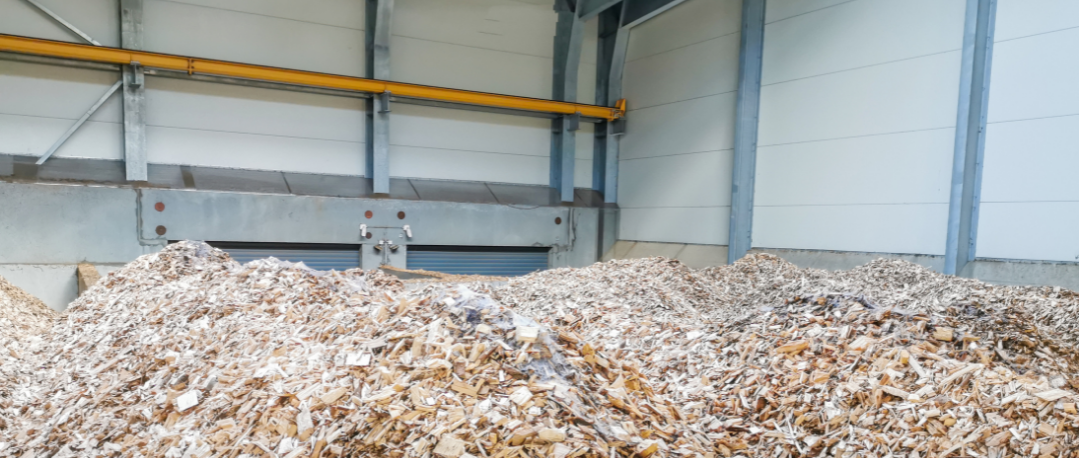
Malacañang recently announced that the Department of Energy (DOE) is expediting renewable energy projects to expand alternative power sources and help sustain the country's energy supply.
Of the 22 renewable projects being fast-tracked, two of them are biomass facilities.
Meanwhile, DOE announced five renewable energy projects are operational, including the Biomass Cogeneration Plant (Expansion Project) of Central Azucarera de San Antonio (8 MW).
But how does biomass become energy?
According to the United States Energy Information Administration (US EIA), biomass produces a renewable natural gas called biogas, which is mostly made of methane and carbon dioxide.
“The composition of biogas varies from 45%–65% methane, depending on the material (feedstock) used to produce the biogas,” US EIA explained.
Meanwhile, methane is a greenhouse gas, meaning its presence in the atmosphere affects Earth’s temperature and climate system, according to the US Environmental Protection Agency (US EPA).
It is a hydrocarbon that is a primary component of natural gas, which is produced through landfills, oil and natural gas systems, agricultural activities, coal mining, stationary and mobile combustion, wastewater treatment, and certain industrial processes.
“Because methane is both a powerful greenhouse gas and short-lived compared to carbon dioxide, achieving significant reductions would have a rapid and significant effect on atmospheric warming potential,” the US EPA said.
Biomass undergoes two processes to produce biogas: anaerobic decomposition and thermochemical conversion.
Often used on farms or livestock operations, anaerobic decomposition occurs when bacteria eat and break down biomass and produce biogas.
It can also be produced under controlled conditions in special tanks called anaerobic digesters, which the US EPA described as a process through which bacteria break down organic matter.
Meanwhile, thermochemical conversion, often used at landfills, uses heat to break down biomass into reusable energy.
US EIA explained that landfill gas naturally produces biogas since it has high methane content, which could be dangerous to people and the environment because it is flammable. —LDF, GMA News

