

 GMA Brandtalk
 Tracking
 Archives

Toxic lead still lingers in Metro Manila in new forms — study
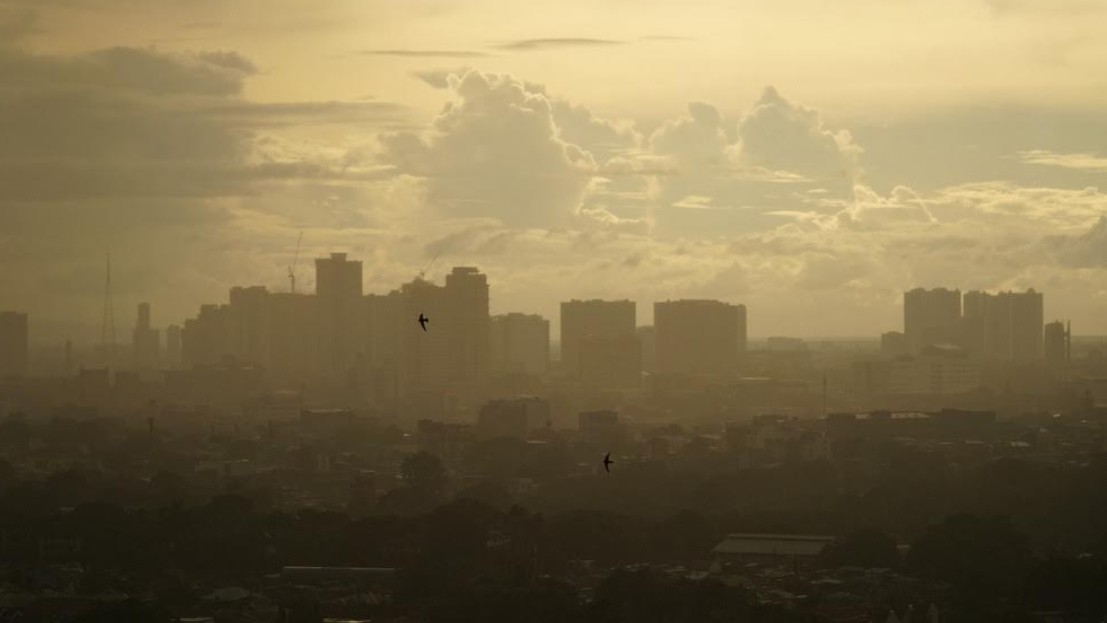
Toxic lead has been found to persist in Metro Manila and has taken on new forms, according to a study by international researchers that includes the Ateneo de Manila University Department of Physics and the Manila Observatory.
According to the World Health Organization, lead is a toxic metal from the earth's crust, and its widespread use has caused environmental contamination and serious health risks.
Data collected from 2018 to 2019 showed that industrial processes, such as e-waste recycling and smelting, account for up to 45 to 62 percent of atmospheric lead in Metro Manila’s air.
Meanwhile, fossil fuels, including diesel and trace elements in unleaded gasoline, contribute another 30-45%.
“There are now contemporary sources of lead,” said Maria Obiminda Cambaliza, co-author of the study. “Indeed, trace amounts of lead may still come from unleaded gasoline.”
Cambaliza, a physics professor at Ateneo de Manila University, also said the research shows the need to monitor lead in the air to avoid losing the progress made after banning leaded gasoline.
The study titled “Lead sources detected in Manila’s air after the phase-out of leaded gasoline” was published in February 2026 in the Atmospheric Environment journal.
The study shows that Metro Manila’s pollution largely came from local emissions, persisting year-round regardless of seasonal shifts in wind patterns.
It pointed out that the rising global fuel prices may slow the shift to clean energy, reduce vehicle maintenance, and increase exposure to toxic emissions, trapping communities in a cycle of economic and environmental harm.
The research warns that lead poses particular danger to children, who are vulnerable to lasting developmental and neurological harm.
It noted that one in three children globally has high blood lead levels, but the Philippines has not updated its monitoring in nearly 20 years.
Without sustained intervention, past public health gains could be reversed due to rising global uncertainty, the study warned. — Mariel Celine Serquiña/RF, GMA News

