

 GMA Brandtalk
 Tracking
 Archives

Heatwave response measures overlooked during 2025 PH polls —study
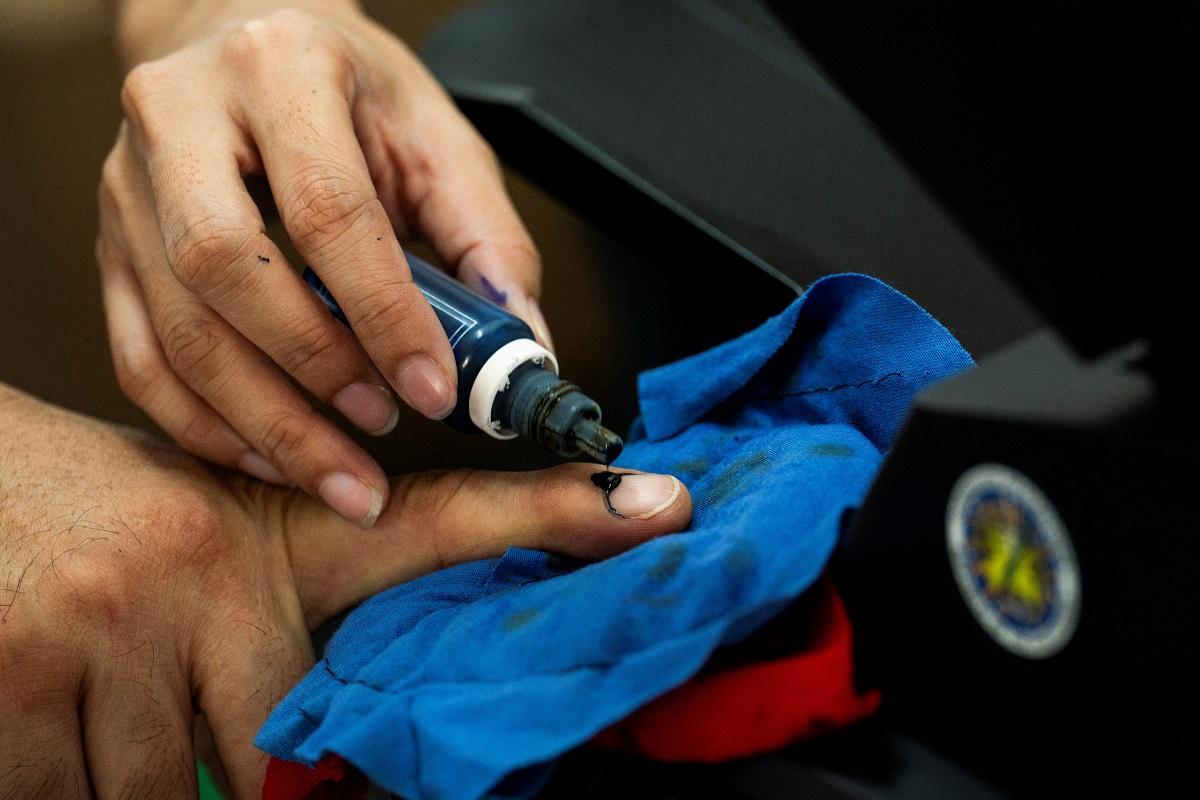
Risk planning for the 2025 midterm elections failed to adequately address health-related concerns during the heatwave, when the heat index reached dangerous levels (at least 42°C), according to a study.
The report titled “Managing Natural Hazards and Climate Risks in Elections” by the International Institute for Democracy and Electoral Assistance showed that the heatwave affected the country’s campaigning activities, vote-counting machines, election materials, and the health of both voters and poll staff.
“The country’s 2025 experience demonstrates strong administrative performance but underscores the need to institutionalize climate adaptation,” the study read.
“Most contingency planning continues to prioritize floods, security threats, or technology failures, leaving health-related and temperature-sensitive risks under-addressed,” it added.
Citing news reports, the study pointed out that one voter died at a polling station in Albay while six individuals in Cotabato collapsed.
According to the police, a 65-year-old man died following a heart attack at a polling site in Barangay Ilaor.
The extreme heat also affected campaign activities, particularly rallies, motorcades, and house-to-house visits, prompting candidates to adjust by using open-air venues, modifying campaign hours, and providing protective gear for campaign workers.
On election day, overheating vote-counting machines (VCMs) were reported, causing some to temporarily malfunction or reject ballots.
While the heat affected the health of voters, poll workers, and candidates, as well as some poll operations, it did not significantly disrupt the election, as stakeholders have adapted to the country’s tropical climate, the study said.
The voter registration process was largely unaffected by the heatwave, as the poll body set up registration sites in malls, while voting for senior citizens, persons with disabilities, and pregnant women began as early as 5 a.m. to help avoid the heat.
Voter turnout was also not affected by the heatwave, as Comelec administered polls across 93,000 precincts, recording an 83.4 percent turnout—the highest for any midterm election in Philippine history.
Recommendations
The study has recommended that Comelec formally institutionalize climate adaptation by:
- Formally embedding extreme heat and climate hazards into its official risk management framework.
- Leverage Comelec’s constitutional mandate to deputize all state agencies in ensuring credible elections and to proactively address heat and climate-related issues.
- Adapt technical specifications of VCMs, ballots, and other sensitive equipment to withstand higher temperatures and humidity
- Establishing data-driven early-warning systems linked with local government weather sensors to implement microclimate-tailored measures
- Expand the use of ‘Register Anywhere’ to make voter registration more accessible and climate resilient
- Expanding internet voting and the "Register Anywhere" programs to bring the ballot closer to the voter.
Eleksyon 2028 preparations
For Comelec’s part, chairperson George Garcia said he ordered the creation of a committee to address the effects of heatwaves in preparation for the 2028 national elections.
“Dapat kasi sana yun sa mga gymnasium, yung mga malalaki. Kaya lang, sa batas kasi natin, nakalagay talaga yung mga eskwelahan. Dapat may baguhin sa batas na payagan na nila yung pag-hold ng election sa mga ibang public places,” Garcia told reporters.
“Elections are ideally held in large venues like gymnasiums. However, under the law, schools are specifically designated as polling places. The law should be amended to allow elections to be held in other public places.)
“Ang problema lang natin yun, pag biglang, kasi na kami maglipat ng botohan sa public places. Naiba, baka kasi ma-disenfranchise ang mga botante. Kasi sa halip na dati-dati, nilalakad lang sa barangay, kung papuntahin mula sila sa isang gymnasium na nasa bayan, hindi sila makakapag-vote,” he added.
(Our problem is that if we suddenly move polling places to public venues, voters might be disenfranchised. Instead of having polling sites within their barangays, they may be required to travel to a gymnasium in town, which could prevent them from casting their votes.)
The study said floods, fires, and extreme weather increasingly pose a threat to democracy, with at least 94 elections and referendums in 52 countries disrupted by natural hazards over the past two decades.
Between 2006 and 2025, at least 26 elections and referendums have been postponed, either fully or in part, due to natural disasters, the study said.
The Philippine national and local elections will be held in May 2028. —VAL, GMA News

