

 GMA Brandtalk
 Tracking
 Archives

Three Visayas straits show potential for tidal power, Ateneo study finds
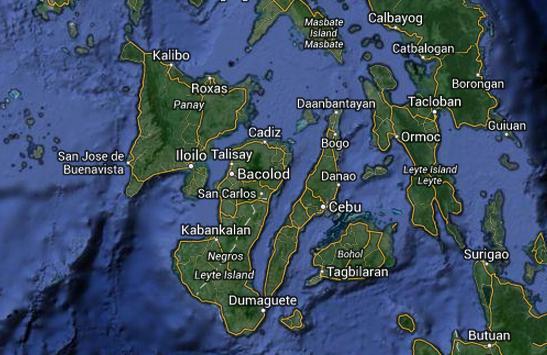
Three waterways in the Visayas could play a key role in strengthening the country's energy security, according to a study by researchers from Ateneo de Manila University, which identified the San Bernardino Strait, San Juanico Strait, and Cebu Strait as promising sites for tidal power generation.
The study by Ateneo researchers Justin Kyle Ricafort and King Harold Recto evaluated the potential of tidal-stream energy systems in the three straits and found that their strong currents, access to existing power infrastructure, proximity to population centers, and maritime traffic make them ideal locations for generating electricity from ocean tides.
The findings come as the Visayas grid continues to grapple with recurring power supply shortages, with the Department of Energy recently acknowledging that there is no immediate solution to the region's power constraints following a series of yellow and red alerts, as well as rotational brownouts.
According to the researchers, tidal energy presents an opportunity for the Philippines to tap a locally available and predictable renewable energy source while reducing dependence on imported fossil fuels such as coal and natural gas.
"According to independent studies, the Philippines' coastal waters have a total theoretical potential power of as much as 170 gigawatts, compared to the country's current installed capacity of 32 gigawatts," Ricafort said in a university release.
“Although not all of the ocean’s power is practically recoverable, harnessing even just 18 to 20 percent of the archipelago’s total tidal energy is theoretically sufficient to cover the Philippines’ current power consumption,” he added.
The researchers examined the potential of submerged tidal-stream energy systems, which use underwater turbines to convert the kinetic energy of moving tides into electricity. Unlike solar and wind power, tidal currents are highly predictable because they are driven by astronomical cycles, allowing for more reliable power generation forecasts.
The study also highlighted ongoing efforts to develop ocean energy projects in the San Bernardino Strait area. Near Capul Island in Northern Samar, a tidal-stream energy project is being developed to provide an alternative to diesel-powered electricity generation for island communities, demonstrating the technology's potential in remote areas.
Ricafort and Recto said expanding marine renewable energy could help address what experts call the "energy trilemma" — balancing energy security, affordability, and sustainability.
While tidal energy technology remains more expensive than established renewable energy sources, they noted that larger-scale deployment and long-term investments could eventually reduce costs and improve access to reliable electricity, particularly in underserved coastal communities.
The researchers' findings were published in the proceedings of the IEEE Region 10 Conference in October 2025 in a study titled, "Assessing Tidal Energy Potential in the Visayas: Viability of the San Bernardino, San Juanico, and Cebu Straits."
They said the Philippines' extensive coastline and strong marine currents place the country in a position to become a regional leader in ocean energy development while diversifying its renewable energy portfolio and improving long-term power security. — VBL, GMA News

