

 GMA Brandtalk
 Tracking
 Archives

Why is science important in flood mitigation? Project NOAH director explains
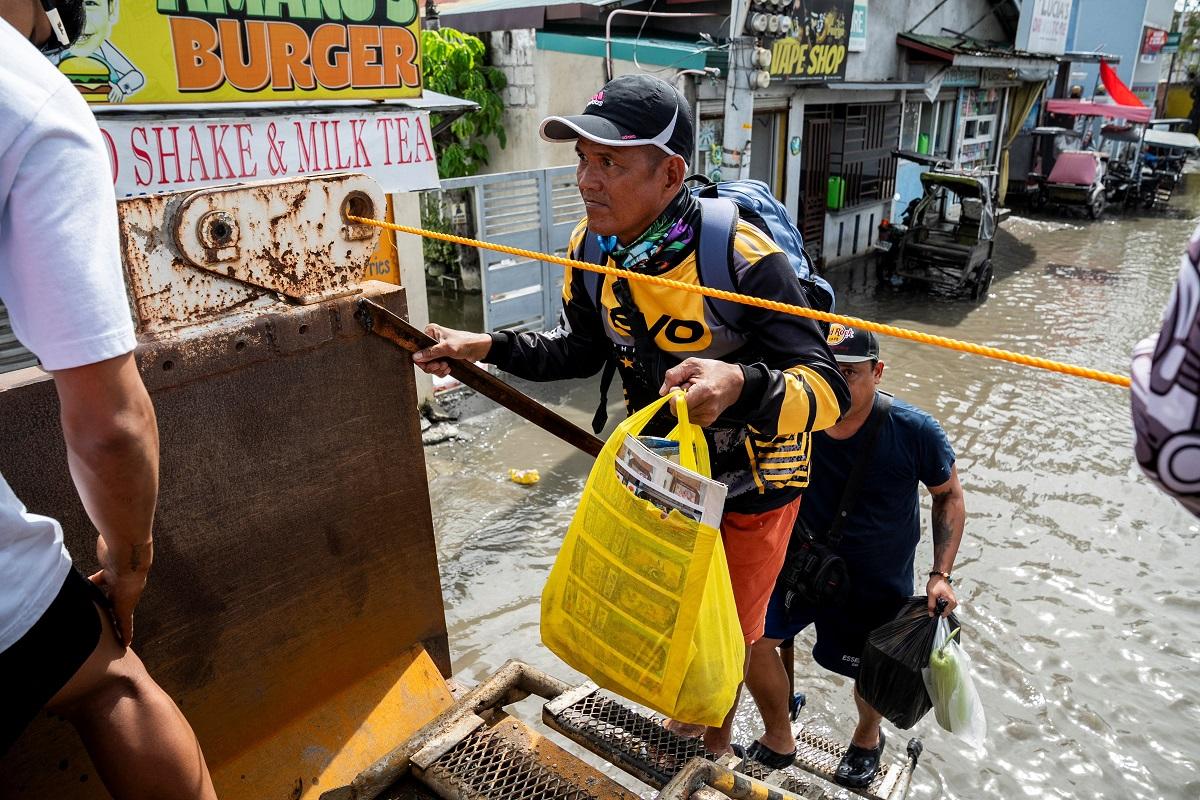
A scientific approach, referring to data and analysis, is important in testing the effectiveness of flood control measures before they are implemented, said Project Noah (Nationwide Operational Assessment of Hazards) Executive Director Mahar Lagmay on Tuesday.
Lagmay said they get the first look at the designs of proposed flood mitigation projects by the Department of Public Works and Highways (DPWH) to see if they are feasible.
“Ngayon ay nagko-coordinate kami sa DPWH. So ang DPWH, bago sila mag-implement ng structure, halimbawa isang malaking kanal. Tinitignan namin ‘yun, binibigay nila sa amin yung design para bago mag-invest, ay nakikita na namin kung effective siya o hindi,” he told “Bagong Pilipinas Ngayon.”
(Right now, we are coordinating with the DPWH. So the DPWH, before they implement a structure—for example, a large canal—we look at it. They give us the design so that before making an investment, we can already see whether it is effective or not.)
“Gaano kadami ang ibabawas na baha? Gaano kabilis dadaloy yung baha, mawawala yung baha? Ayun ang science, before you make the investment in the real world, we can simulate it and see the efficiency, the benefit as against the cost,” Lagmay added.
The government launched Oplan Kontra Baha last year, a multi-sectoral campaign to clear clogged and polluted waterways and drainages in Metro Manila and other parts of the country.
Lagmay said there are short-term solutions to address flooding.
“So para sa mga short-term solutions, importanteng malinis natin yung mga kanal, magkaroon tayo ng mga dredging, paigtingin natin yung pumping, buhayin natin yung mga pump stations, etc.,” he said.
(So for short-term solutions, it is important that we clean the canals, conduct dredging, intensify pumping, revive the pump stations, etc.)
“Tapos magkaroon tayo ng tinatawag na yung mga response measures, yung i-inform natin yung mga tao na kapag may bagyo dapat umiwas sila doon dahil delikado, ma-evacuate natin yung mga tao sa high-risk zones,” he added.
(Then, we should have what we call response measures, where we inform the people that when there is a typhoon, they should avoid those areas because it is dangerous, and we can evacuate people from high-risk zones.)
Aside from tree planting and the establishment of retention basins, protecting vegetated areas is another long-term solution to mitigating floods.
“Yung mga natural na malalaking lugar tapos vegetated, poprotektahan natin yun para sumisipsip sila ng tubig, nagiimbak ng tubig, para dumaloy yung tubig, hindi sabay-sabay sa ilog. So nababawasan yung tubig, mas manageable,” said Lagmay.
(Those natural, vast, and vegetated areas, we will protect them so they can absorb water and store water, allowing the water to flow into the river gradually instead of all at once. So the water is reduced, making it more manageable.) — BAP, GMA News

