

 GMA Brandtalk
 Tracking
 Archives

EXPLAINER: How the 1951 Hibok-Hibok eruption led to the creation of PHIVOLCS
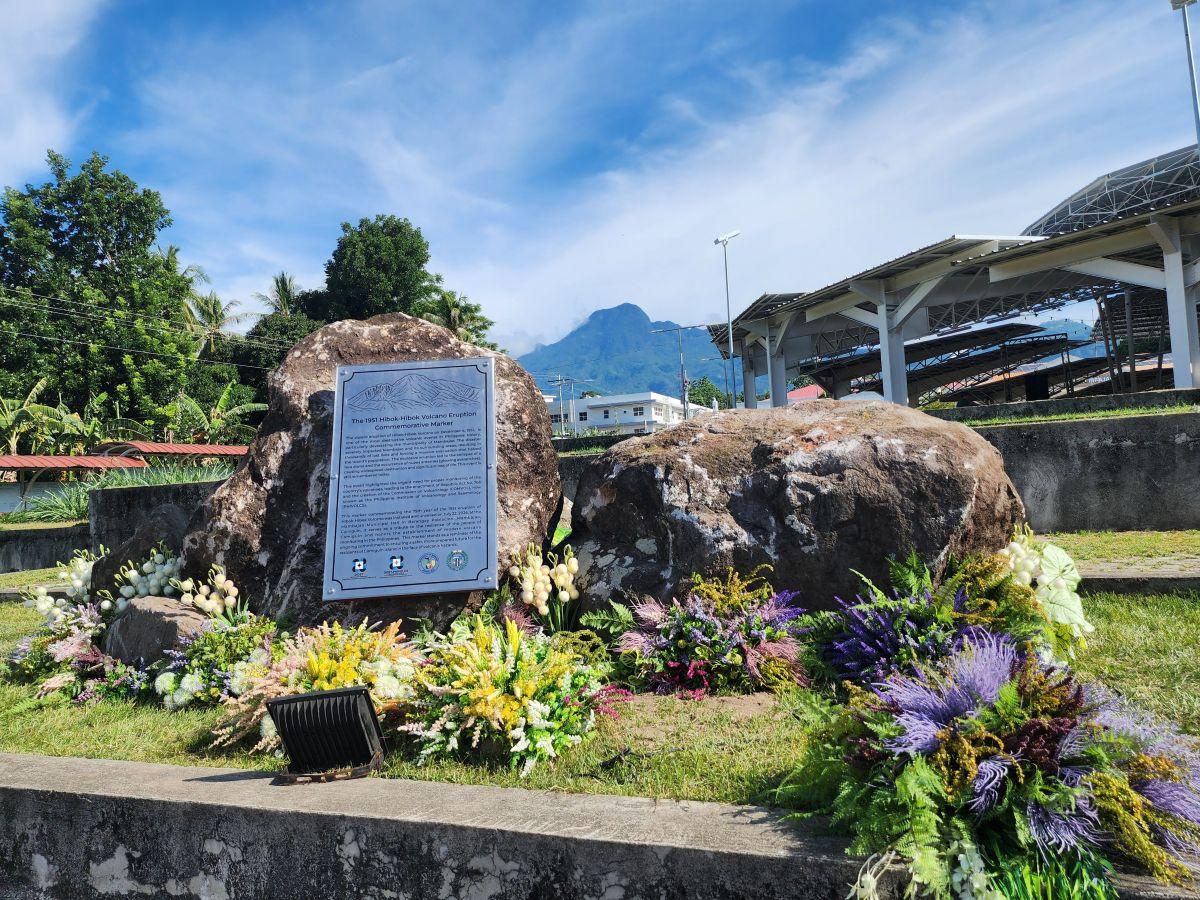
MAMBAJAO, Camiguin — This year marks the 75th anniversary of the eruption of Hibok-Hibok Volcano on Camiguin Island, which caused widespread destruction and claimed thousands of lives.
The disaster struck on December 4, 1951—just three weeks before Christmas—when the eruption triggered the collapse of a lava dome, unleashed glowing avalanches, and a massive evacuation that halved the island's population.
At the time of the Hibok-Hibok tragedy, the Philippines had no government agency dedicated to monitoring active volcanoes and conducting volcanological research, prompting Congress to establish one six months later.
Republic Act No. 766 created the Commission on Volcanology (COMVOL) on June 20, 1952, to study active volcanoes, prepare response plans for eruptions, and recommend measures to safeguard lives and property.
In 1982, COMVOL was reorganized and renamed the Philippine Institute of Volcanology (PHIVOLC) following the restructuring of the National Science Development Board (NSDB) and its agencies into the National Science and Technology Authority (NSTA).
Two years later, the government's seismology functions were transferred from the Philippine Atmospheric, Geophysical and Astronomical Services Administration (PAGASA) to PHIVOLC. The merger led to the institute being renamed the Philippine Institute of Volcanology and Seismology (PHIVOLCS) in 1984.
On January 30, 1987, Executive Order No. 128 converted the NSTA into the Department of Science and Technology (DOST) and gave PHIVOLCS its current mandate.
Commemorative marker
Unveiled on Wednesday at the Mambajao Municipal Hall, the commemorative marker honors the resilience of the people of Camiguin and the establishment of modern volcano monitoring in the Philippines.
PHIVOLCS marks the 75th year of the Hibok-hibok eruption with a commemorative marker in Mambajao, Camiguin.
— Celine (@celine_serquina) July 22, 2026
The historic eruption in 1951 caused widespread destruction and loss of lives. It then led to the establishment of the now PHIVOLCS. | Mariel Celine Serquiña @gmanews pic.twitter.com/SkFfuPdakL
PHIVOLCS Director Teresito Bacolcol said the marker also serves as a reminder for the public to remain prepared for future volcanic disasters.
"That is why we have this marker—to remind us that it happened in the past and that it could happen again in the future," Bacolcol said in an interview.
"Hibok-Hibok has been under Alert Level 0 for several decades, but that does not mean we should become complacent because it remains a very active volcano," he added.
PHIVOLCS said Alert Level 0 indicates that no eruption is expected in the foreseeable future, but stressed that the volcano remains active and continues to be monitored. —VBL, GMA News

