

 GMA Brandtalk
 Tracking
 Archives

DBM releases P1B for Project NOAH AI-powered flood forecasting
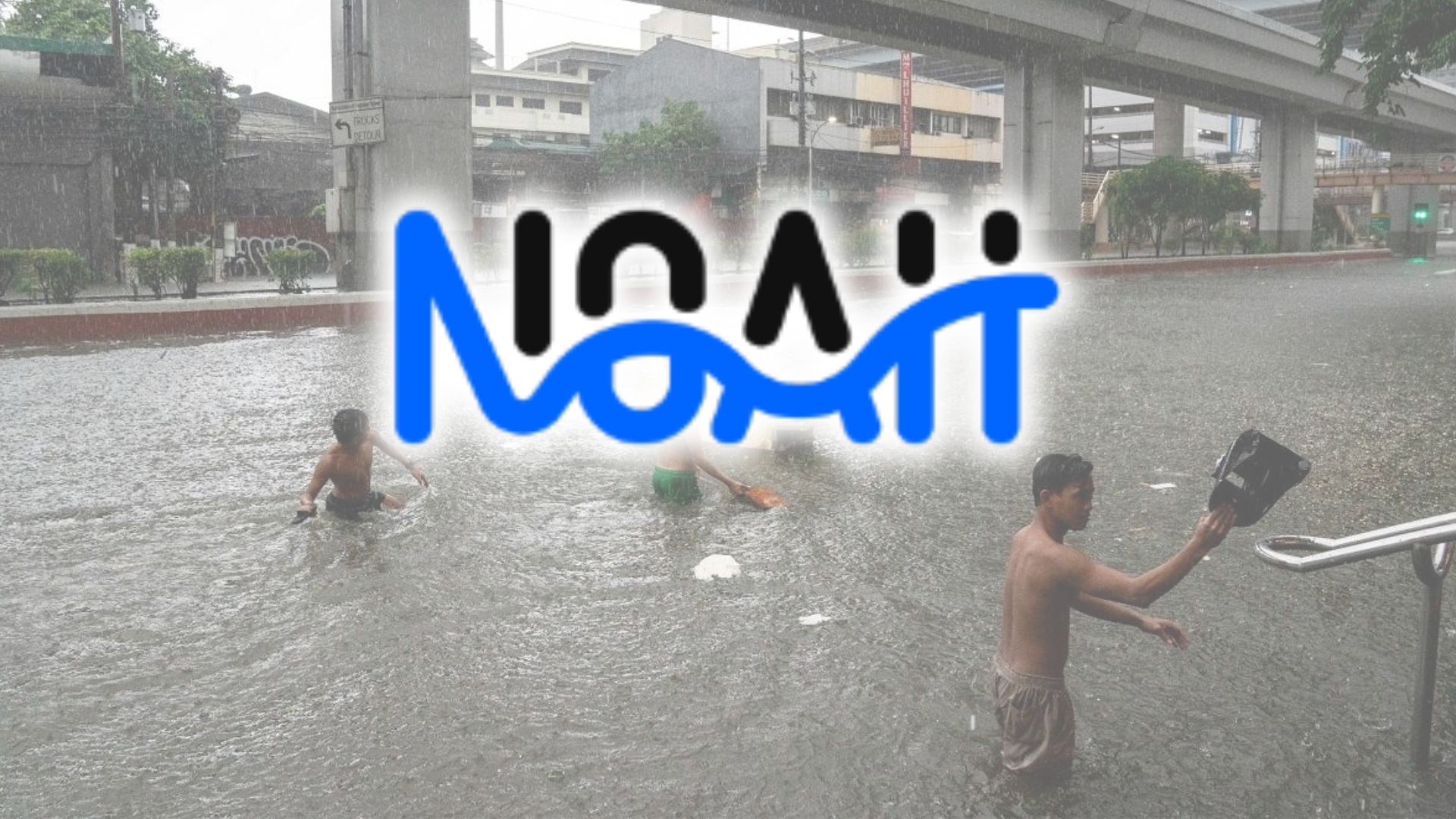
The Department of Budget and Management (DBM) has released P1 billion in funding to strengthen Project NOAH's (Nationwide Operational Assessment of Hazards) AI-powered flood forecasting system and disaster prevention measures.
“This P1-billion investment in Project NOAH is an investment in prevention. We are putting science, AI, and real-time hazard information to work so government can act earlier, communities can prepare better, and more Filipino lives and livelihoods can be protected,” DBM Acting Secretary Kim Robert de Leon said in a statement.
Project NOAH, which is implemented by the University of the Philippines Resilience Institute, is a disaster prevention and mitigation initiative that provides hazard information and forecasting tools to help communities and government agencies prepare for disasters.
The House of Representatives had proposed allocating P1 billion for Project NOAH in the 2026 national budget to support efforts to address flooding, including those of the Department of Public Works and Highways.
The P1-billion funding is included in UP's 2026 appropriation. Of this amount, P935 million will be allocated for research services, while P65 million will fund the implementation of Project NOAH.
“The funding will support the procurement and deployment of critical ICT, digital, technical, and scientific equipment; the engagement of highly specialized technical personnel; and the establishment of operational support systems needed to strengthen the country’s hazard assessment and forecasting capabilities,” the DBM said.
Using advanced digital tools such as AI modeling, LiDAR mapping and data analytics, Project NOAH provides real-time hazard monitoring and predictive flood simulations to help national and local officials make informed decisions during crises.
“We cannot stop typhoons or heavy rains from coming, but with the right information at the right time, we can reduce their impact. That is what we want public funds to deliver—not simply resources after a disaster, but greater protection before it happens,” de Leon said.— MCG, GMA News

