

 GMA Brandtalk
 Tracking
 Archives

Science meets tradition: The Modern Resilient Ivatan House Project
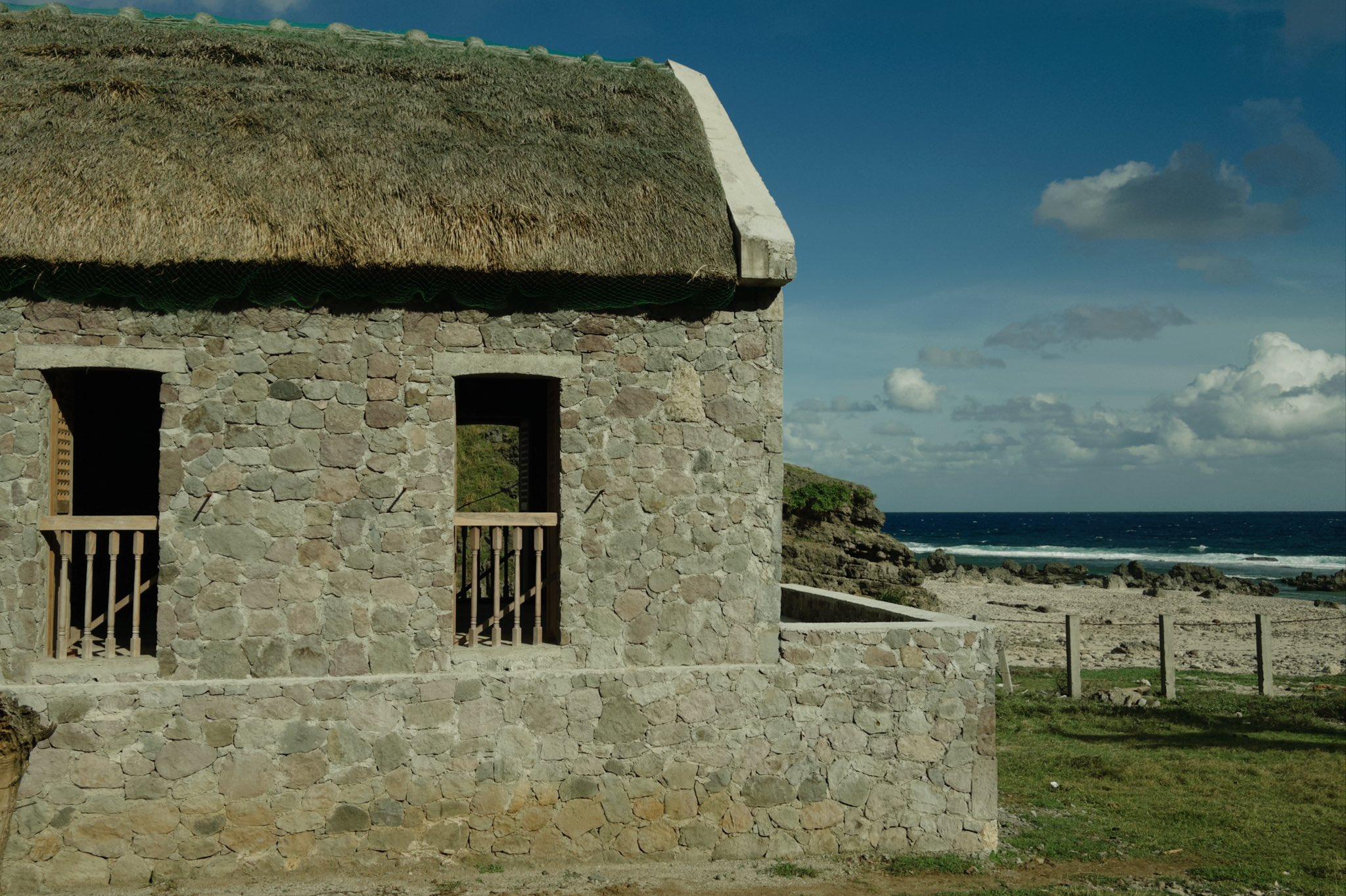
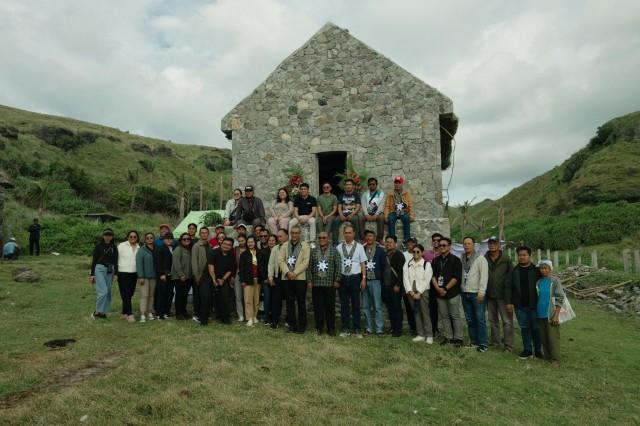
UYUGAN, Batanes — In a quiet village overlooking the sea, scientists, local officials, and community elders gathered on Saturday for the inauguration and turnover of the Modern Resilient Ivatan House.
This is a structure they hope will bridge the past and the future of one of the country’s most culturally distinct architectural traditions.
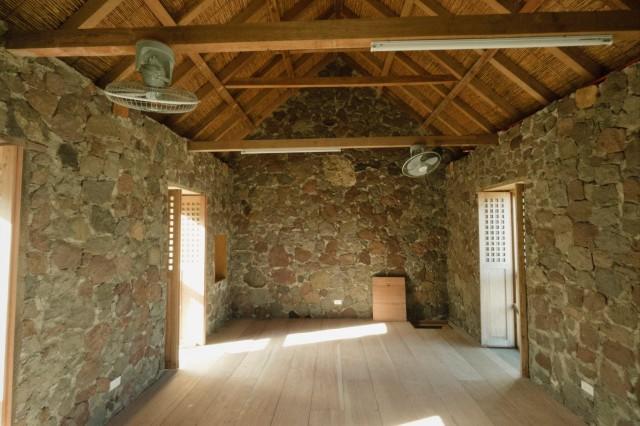
Developed by the Cagayan State University-Ivatan Houses Project Team, with funding and support from the Department of Science and Technology–Philippine Council for Industry, Energy and Emerging Technology Research and Development (DOST-PCIEERD), the model house merges the iconic look of Ivatan stone homes with modern engineering designed to withstand strong tropical cyclones and earthquakes.
The project arrived at a crucial time, with local leaders warning that traditional construction skills are fading as younger generations lose interest in preserving ancestral homes.
A house built on science, memory, and survival
In his message, DOST-PCIEERD Executive Director Dr. Enrico Paringit said the new model represents a rare partnership: “Science and culture are not adversaries but companions.”
“The engineers, researchers, and architects did not bulldoze tradition to put up concrete boxes. Instead, they listened, they studied, and they learned from the very bones of the Ivatan house.”
He described how researchers used structural analysis tools—STAAD Pro and ETABS—to test and reinforce foundations, beams, and walls while keeping the exterior faithful to the original stone aesthetic.
“This is not simply construction; it is continuity," he said.
For Paringit, the house symbolizes a promise that innovation “can defend heritage” and ensure that what the community hands down is not only shelter but also identity.
CSU Aparri campus professor Dr. Audy Quebral, who leads the research team, said the project grew out of years of studying how Ivatan houses withstand storms that frequently batter the island.
“This house is more than a structure. It is a testament to the ingenuity of the Ivatan people and the enduring strength of their traditional architecture," he said.
Quebral emphasized that modernization was done “with respect,” ensuring the cultural identity of the Ivatan home remains visible even as structural integrity is improved.
The project gained strong institutional backing. In Resolution No. 73, Series of 2024, the Sangguniang Panlalawigan of Batanes formally endorsed the adoption and utilization of the Modern Resilient Ivatan House schematic designs.
The resolution highlights that the Ivatan people are the rightful cultural owners of the traditional house, protected under the Indigenous Peoples' Rights Act—and that new designs should preserve this heritage while improving disaster resilience.
Copies of the resolution will be distributed to mayors, the National Commission on Indigenous Peoples (NCIP), the National Commission for Culture and the Arts (NCCA), the Department of Public Works and Highways (DPWH), and the Department of Human Settlements and Urban Development (DHSUD) for promotion and policy consideration.
A culture at risk
Beyond engineering, the event also opened a deeper conversation about culture loss in Batanes.
In an interview with GMA News Online, Uyugan Mayor James Richard Cabugao—a former tour guide, teacher, and school principal—warned that younger generations are no longer learning the traditional craft of repairing old stone houses.
He recalled that Uyugan once taught roof-repair skills in high school, but the subject has disappeared.
“Hindi nila na-appreciate itong mga traditional house… mas gusto nila yung modernong bahay," Cabugao said.
(They no longer appreciate traditional houses… they prefer modern homes.)
He attributed this shift partly to modern influences.
“Kasi dahil sa video games yan eh… kaya hindi priority na i-restore," he said.
(It’s because of video games… restoring heritage homes is no longer a priority.)
Skill transfer, once learned through apprenticeship with elders, is now weakening.
“Mawawala yung mga skills na hindi naibabasa… kundi nakukuha sa pagtabi sa matatanda.”
(Skills that cannot be learned from books—only from working beside elders—may disappear.)
Many households, he added, hesitate to maintain traditional stone homes because repairs are expensive.
“Mahal magpa-repair… kaya kumakapit sila sa modern houses," he said.
(Repairs are costly… so families shift to modern houses instead.)
Thick stone walls also reduce interior space, making modern homes more attractive for small lots.
Traditional houses also benefit from community labor through the uyugan/kayvayvanaan (pagkakaibiganan) system, where neighbors provide free manpower and materials.
But Cabugao fears this culture of collective repair may vanish as fewer traditional homes remain.
Despite these challenges, he expressed optimism that projects like the Modern Resilient Ivatan House will give the community a reason to continue valuing their cultural identity.
“Identity siya ng Batanes… nakakakaba kung mawala," Cabugao said.
(This is Batanes’ identity… it’s frightening to imagine it disappearing.)
He hopes the modern design will encourage families to rebuild or preserve stone houses in ways that are safer, more affordable, and culturally grounded.
Meanwhile, Quebral and Paringit believe the new model stands as a tangible reminder that science can safeguard heritage rather than replace it.
“Together, we have built a house that does not just resist storms but outlives them," Paringit said. — VBL, GMA Integrated News
The author accompanied the podcast team of Howie Severino that’s producing the episode, “Stone by Stone — Saving the Heritage Houses of Batanes.”

