

 GMA Brandtalk
 Tracking
 Archives

Experts share ways to keep online spaces safe for kids, teens
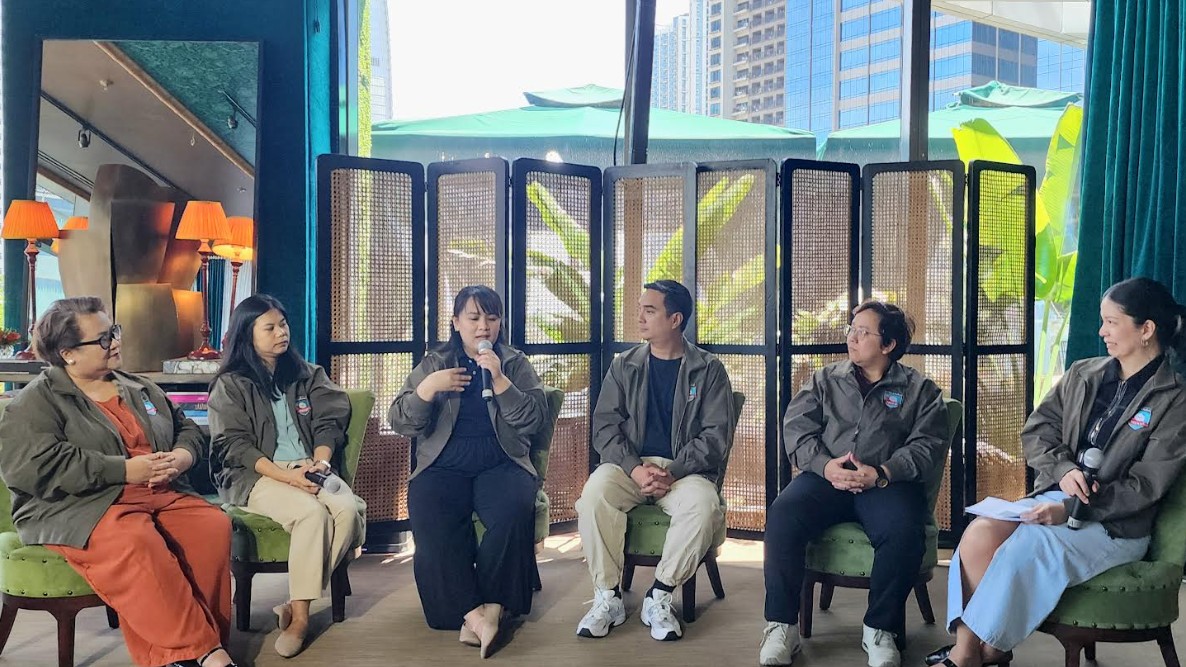
The digital space has opened more opportunities for the public to express their thoughts, share their work and creativity, and even connect with more people.
However, it has also opened its doors to cyberbullying, online identity theft, and sexual abuse and exploitation.
During a panel discussion for Safer Internet Day in Taguig City on Thursday, advocates and experts alike shared some tips to make the online space safe for children and teenagers.
Keep an open communication
For Hazel Bitaña, Deputy Regional Executive Director of the Child Rights Coalition (CRC-Asia), reaching out to children and teenagers will help adults address the pressing issues the former face.
"Ask the children, ask the teens, because they will give you a holistic perspective," Bitaña said.
Dedicated to promoting and protecting children's rights in the region, CRC-Asia advocates for better policies for children.
Among the reports they received showed that children use artificial intelligence (AI) to help them meet the expectations of others, play online games to express themselves through avatars, and spend significant time online due to a lack of free and accessible spaces.
Yves Gonzalez, Head of Public Policy at TikTok Philippines, shared the same sentiment, adding open communication also allows kids to learn from their parents.
"Let's always ask, always be curious about what they're interested in," Gonzalez said.
"Basically, making them aware of these things, of what's happening in the world," he added. "It's all about the lines of communication between parents and teens. That's the foundation of everything."
Promote proactive reporting
Aside from having a good personal relationship with children and teenagers, an active and effective reporting system of child abuse and exploitation must be in place.
"One way for us to keep online safe is to become more active and proactive in reporting any content, posts, videos, or images that you find online that are problematic, against the law, or could be highly sexual or exploitative against children," said Claire Laison, director of the Child Rights Desk of the Ateneo Human Rights Center.
She urged the public to share helplines for children.
This includes the Bantay Bata 163 or the Makabata Helpline 1383 of the Council for the Welfare of Children.
Consume with restraint, practice mindfulness
Digital historian and inclusion advocate Mona Magno-Veluz reminded the public to be responsible when consuming and creating online content, as it may not only affect the viewers but also the content creators themselves.
"Always consume with restraint and also create content with restraint. Make it something deliberate, make it something meaningful (26:57) every time you go online," Magno-Veluz said.
According to a 2025 report, 83.8% of Filipinos are active internet users, placing the country among the most connected in Southeast Asia.
Meanwhile, psychologist and digital wellness advocate Riyan Portuguez said being mindful of one's actions also applies to offline interactions.
"Baka kasi chronically online ka is because walang safe space doon sa mismong physical space," Portuguez said.
(Maybe you're chronically online because there is no physical safe space.)
"It's only one way for you to join support groups, 'yung mga totoong tao (interact with real people)," she added.
Under Presidential Proclamation No. 417, the second Tuesday of February is declared "Safer Internet Day for Children Philippines," which aims to raise awareness on child online safety and protect them from online sexual abuse and exploitation. —RF, GMA Integrated News

