

 GMA Brandtalk
 Tracking
 Archives

DOST backs development of portable method for detecting heavy metals in crops
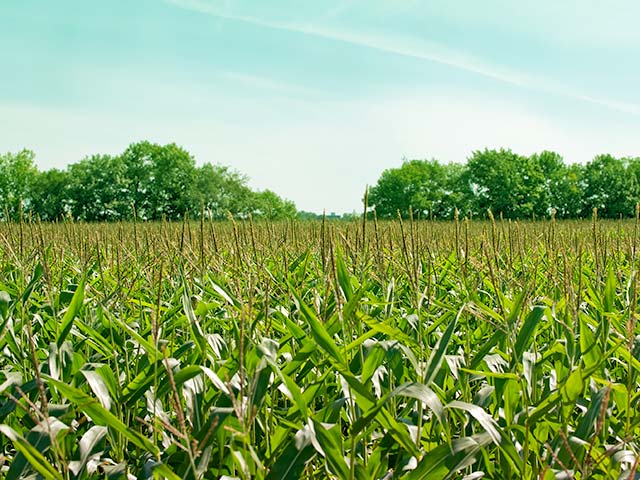
The Department of Science and Technology (DOST) is funding a research project to develop a portable and non-destructive method for detecting heavy metals in high-value agricultural crops.
The initiative focuses on creating a rapid diagnostic method that can identify harmful elements in commonly consumed and exported crops such as cacao, coffee, corn, cabbage, lettuce, coconut, mango, and banana.
The project is being implemented by the Philippine Nuclear Research Institute (PNRI) and monitored by the Philippine Council for Agriculture, Aquatic and Natural Resources Research and Development (PCAARRD).
According to DOST, the device will use nuclear-related techniques to detect trace elements such as cadmium, lead, arsenic, mercury, and other metals that may enter crops through fertilizers, pesticides, industrial exposure, or handling processes.
These contaminants, when present in unsafe levels, have been linked to serious health risks, including cancer, as well as cardiovascular, neurological, and kidney diseases.
Science Secretary Renato Solidum Jr. said the project aims to ensure that agricultural productivity does not come at the expense of public health.
“Increasing crop productivity in our country should ultimately contribute to better human health, not compromise it,” Solidum said.
“Heavy metal contamination remains a reality in many agricultural lands, and addressing this challenge requires science-based interventions developed through rigorous research,” he added.
Beyond detection, the project is also expected to generate a calibration database that can support accurate detection and analysis of heavy metals and trace elements, guide policy recommendations on food safety regulations, and help decision-making process for bioremediation operations.
The initiative will be implemented for two years in Ilocos, Western Visayas, Davao, Zamboanga Peninsula, and SOCCSKSARGEN. —VBL, GMA News

