

 GMA Brandtalk
 Tracking
 Archives

How AI is helping researchers measure heart function
Researchers from the Philippines, China, and Taiwan have developed an artificial intelligence (AI) model that can predict how efficiently the heart pumps blood.
Led by Patricia Angela Abu of the Ateneo de Manila University Department of Information Systems and Computer Science (DISCS), the 13-member research team sought to improve the accuracy of predicting the cardiac index (CI), a key measure of the heart's pumping efficiency.
Advanced heart assessments used for the early detection and treatment of cardiovascular disease often require sophisticated diagnostic equipment and specialized medical expertise, limiting access for patients outside major hospitals and urban centers.
To help address these challenges, the researchers developed an AI model that analyzes physiological data (heart rate, blood pressure, stroke volume, and body composition) collected through non-invasive sensor patches placed on participants' skin.
The model was trained and evaluated using measurements from 54 obese adults aged 20 to 29, each with a body mass index (BMI) above 27 kilograms per square meter and no diagnosed cardiovascular disease.
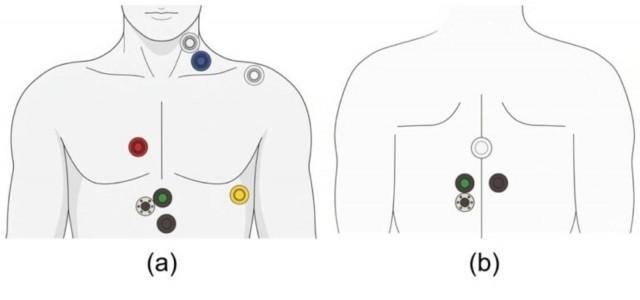
"With a classification accuracy of 97.78%, the system demonstrates the potential for a simpler and more accessible approach to monitoring heart health. This innovative use of AI is a promising alternative to conventional monitoring procedures that require specialized hemodynamic analyzers, controlled clinical settings, and specialized healthcare professionals," Ateneo de Manila University said in a press release on Wednesday.
"By leveraging modern algorithms to analyze basic health data collected from non-invasive sensors, the AI researchers are helping make advanced monitoring more practical and widely available even in healthcare settings that lack specialized equipment and expertise," it added.
The researchers plan to validate the AI model in more diverse populations and explore ways to further reduce the number of measurements required. —VBL, GMA News

