

 GMA Brandtalk
 Tracking
 Archives

'Call Me Mother' opens the eyes to the many faces of modern Filipino families
This article contains spoilers for “Call Me Mother.”
Everyone knows how a baby is made, but how is a mother made? This is the question that “Call Me Mother” asks.
The Vice Ganda-Nadine Lustre starrer is an entry to this year’s Metro Manila Film Festival, and it is safe to say that it is one of the films that will make audiences laugh, cry, and feel everything in between.
“Call Me Mother” follows Twinkle (Vice Ganda), a gay pageant coach who is the best in the business. When a baby named Angelo (Lucas Andalio) is left in her care, she raises him as her own.
When an opportunity arises for Twinkle to move to and work in Hong Kong, she hopes to bring Angelo with her. However, since he is not legally adopted, Twinkle would need the paperwork and the signature of Angelo’s biological mother, famous former beauty queen and personality, Mara De Jesus (Nadine).
Mara hopes to redeem herself after a previous pageant failure and to compete in Miss Uniworld again, telling Twinkle she would sign Angelo’s adoption papers if Twinkle agrees to be her coach.
Throughout her life, Mara has never been able to get Angelo out of her mind. Now that she is working with Twinkle, she begins to get to know and form a bond with him. Twinkle, on the other hand, fears losing Angelo and is out to prove that she is a fit mother for him.
The film falls under the comedy-drama genre, and the actors prove that well. Vice and Nadine’s acting prowess shines throughout the movie, Vice bringing out her signature comedy and Nadine balancing it out with her dramatic performance.
The stars of “Pinoy Big Brother: Celebrity Collab Edition” Season 1 Mika Salamanca, Shuvee Etrata, Esnyr, Klarisse De Guzman, and Brent Manalo may have fewer scenes in the film, but provide their own unique and necessary comedic relief.
John Lapus is also one to watch for as Mama M, Twinkle’s friend and main form of guidance.
The film’s breakout star, however, is Lucas. The child actor can act in ways that tug at the heartstrings, at once exuding a child’s innocence in his situation and the confusion in being asked to choose between two mothers.
Additionally, Jun Robles Lana’s filmmaking is one that truly stands out. He provides hints of symbolism with images of the Mother Mary carrying her son Jesus, and immerses the audience into intense scenes through shaky, uneasy camera work.
The film shines in its climax, where Mara retracts her signature from the adoption papers. Twinkle threatens to run away with Angelo, forcing social workers to come to their home. Vice shines in this scene, convincingly portraying a mother determined to protect her son from outside forces.
Vice and Nadine also deliver a passionate confrontation scene, making audiences weep with them as they both express their frustrations that come with being mothers.
"Call Me Mother" succeeds in taking audiences through a wide range of complex emotions, making them laugh and cry, while also holding space to allow themselves to feel confused, frustrated, empathetic, and hopeful.
The film also highlights facets of Filipino culture such as informal adoption, love for pageants, chismis, and the capacity to find humor in every situation.
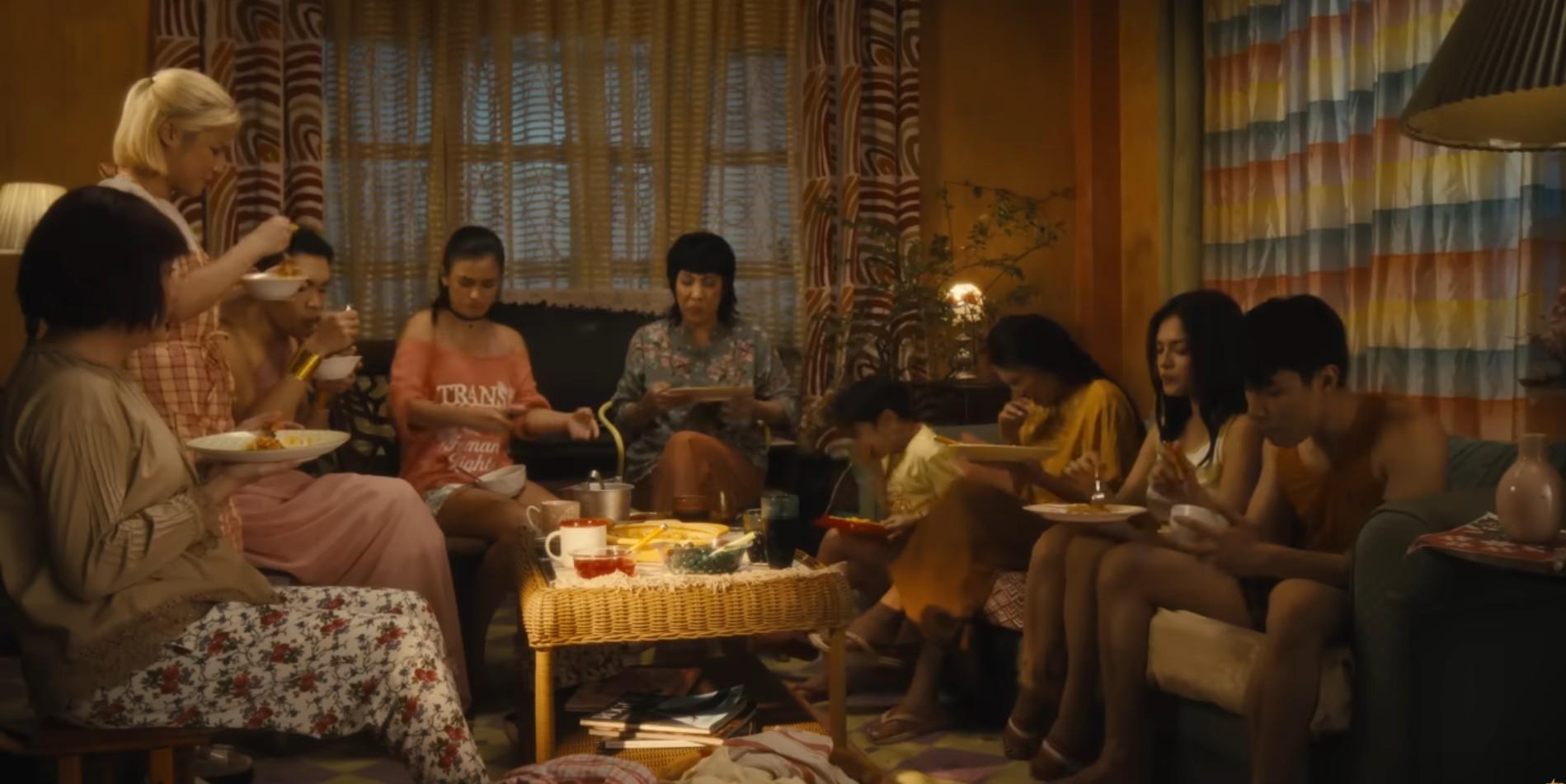
The film likewise shines a light on modern parenthood and Filipino families, proving that blood relations, gender, or social class are far less important when it comes to what truly makes a family. It underscores the core Filipino values of sacrifice, love, and kindness—serving as an eye-opener to how these happen in different and often unique, personal ways.
“Call Me Mother” is definitely worth a trip to the cinema.
—CDC, GMA Integrated News

