

 GMA Brandtalk
 Tracking
 Archives

Transport groups weigh service contracting program, fuel subsidy for PUV drivers
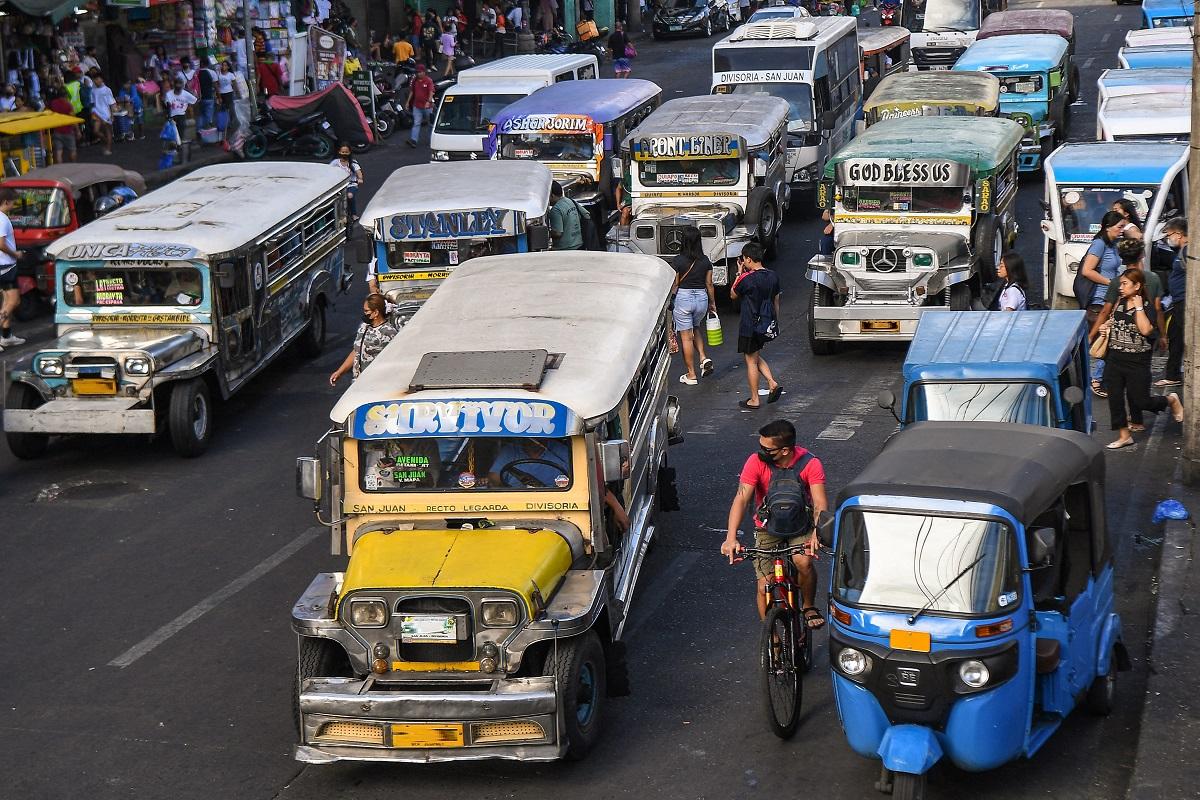
Transport groups are assessing recent government measures, including the service contracting program and fuel subsidies, aimed at helping public utility vehicle (PUV) drivers cope with the soaring fuel prices.
President Ferdinand Marcos Jr. earlier announced the service contracting program starting April 15 and will cover 50,000 PUVs, 1,000 operators, and 15 million passengers nationwide.
MANIBELA chairperson Mar Valbuena is worried that some PUV drivers may not benefit from the program.
“Ang pagkakasabi po kasi sa amin ng LTFRB ay 15,000 units lang ang makakasama sa mahigit 200k na Jeepney ay UV Express. Paano yung hindi makakasama sa programa? Dati ang sabi ng pangulo lahat makakasama. Patch-patcheng solusyon lang ang naiisip nila,” he told GMA News Online in a message.
(Based on what the LTFRB told us, only 15,000 units can participate out of over 200,000 Jeepneys and UV Express units. What happens to those who can't join the program? Previously, the President said everyone would be included. They are only coming up with patchwork solutions.)
“Alam naman nilang lahat ng driver tinamaan ng krisis pero iilan lang ang makikinabang sa mga programang naiisip nila, wala naba silang ibang paraan o programa na lahat matutulungan hindi yung may maiiwan na nahihirapan na nadagdagan pa ng hinanakit,” he added.
(They know that all drivers have been hit by the crisis, yet only a few will benefit from the programs they’re coming up with. Do they really have no other way or program that helps everyone, rather than leaving some behind to struggle?)
Meanwhile, Pasang Masda national president Robert “Ka Obet” Martin said that the government’s service contracting program will not just benefit drivers, but also the commuters due to the 20% fare discount.
“Una, talagang naghihikahos ang ating mga jeepney driver at operator sa taas ng presyo ng ating petroleum products. Pero itong gagawin ng DOTr, LTFRB ay malaking tulong, 'yung pong tinatawag nating net service contracting, ay magbabayad po ang ating pamahalaan through LTFRB ng P40 kada isang kilometro, or good for 100 km. Ayan po ay aabutin ng P4,000...at ang mga jeepney drivers naman po ay magbibigay ng 20% diskwento sa ating mga mananakay,” he told GMA News Online in a phone interview.
(First of all, our jeepney drivers and operators are truly impoverished due to the high prices of petroleum products. But what the DOTr and LTFRB are doing is a big help—under what we call 'net service contracting,' the government, through LTFRB, will pay ₱40 per kilometer, or good for 100 km. That will reach ₱4,000... and in turn, the jeepney drivers will provide a 20% discount to our commuters.)
“Malaking bagay na tulong ito sa ating mga mananakay, at makatutulong din mahigit ito sa ating mga jeepney drivers at operators.”
(This is a significant help to our commuters, and it will also greatly assist our jeepney drivers and operators.)
Fuel subsidy
Marcos also bared a P10-per-liter fuel subsidy for PUVs. It would be capped at 150 liters per week, adding that it would be implemented for three months and would begin in Metro Manila.
MANIBELA’s Valbuena said that they are thankful for the fuel subsidy, but: “Kahit papaano ay makakatulong pero ang hiling po namin sa per liter subsidy ay kabuuan nung itinaas simula nuong gyera.”
(It will help somehow, but our request regarding the per-liter subsidy is for it to cover the total price increase since the start of the war.)
Pasang Masda said that the fuel assistance would be a relief for PUV drivers.
“Tungkol naman sa fuel subsidy, malaking tulong din po 'yang ibibigay ng ating Pangulo, sapagkat una nga po, napakataas ng ginagamit nating krudo na halos P150 to P160 per liter. In the history ng public transport, sa jeepneys, ako po ay 55 years na sa transport sector. Ngayon lang namin naranasan ang ganitong presyo ng petroleum products,” said Martin.
(Regarding the fuel subsidy, what the President is providing is also a huge help because, as I mentioned, the diesel we use is extremely expensive at nearly ₱150 to ₱160 per liter. In the history of public transport, specifically for jeepneys—and I have been in the transport sector for 55 years—this is the first time we have experienced these kinds of prices for petroleum products.)
An oil industry source said motorists may expect a slight sigh of relief in the coming week amid the two-week ceasefire.
Based on the Means of Platts Singapore trading in the first three days of the week, the estimated reductions in pump prices are as follows:
Diesel - P2.50 to P3.40 per liter
Gasoline - P1.00 per liter
Projections may change depending on the results of trading until Friday, April 10, 2026. —LDF, GMA News

