

 GMA Brandtalk
 Tracking
 Archives

Environment group frowns on waste-to-energy projects to address garbage problem
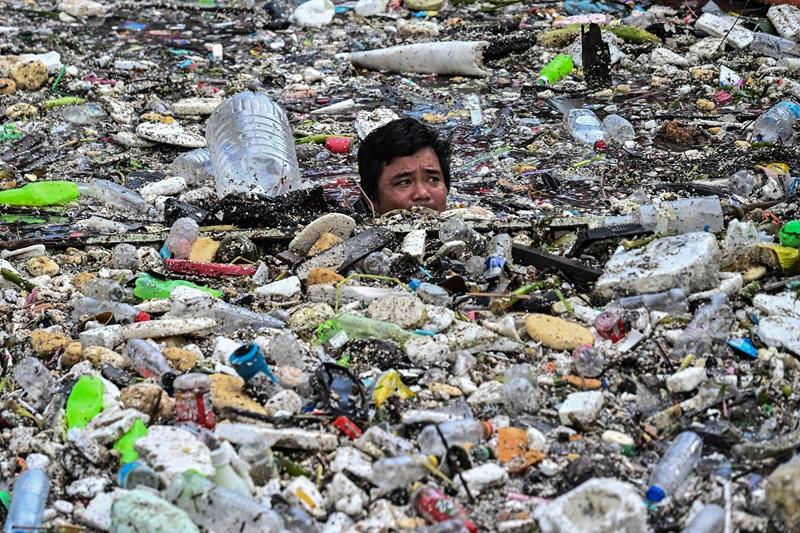
An environment group thumbs down proposed implementation of waste-to-energy projects and call for the proper and full implementation of the 25-year-old law on solid waste management.
"The appalling images of the Redemptorist Water Channel in Parañaque choked in plastic — and the almost inevitable “dagat ng basura” scenes we witness in the metropolis with every flood — are not merely evidence of undisciplined citizens," marine conservation group, Oceana Philippines, said in a statement.
"They are a damning indictment of a failed system and a government unwilling to look beyond the tip of its nose," the group added.
The government is looking into possible facility sites for its waste-to-energy project, President Ferdinand "Bongbong" Marcos Jr. said Wednesday as he inspected clearing operations along the Baclaran River in Parañaque City.
Marcos said the waste-to-energy project is one of the administration’s initiatives to address the growing amount of waste in landfills.
"Imbes na dadalhin sa landfill, dadalhin na lang sa waste-to-energy plant. So, tinitignan natin yung location para naman hindi masyadong malaki ang bayaran ng LGU para sa hauling," Marcos told reporters.
(Instead of bringing the garbage to landfills, it will be brought to the waste-to-energy plant. So, we’re checking the location to minimize the hauling costs for local government units.)
Von Hernandez, Vice President of Oceana, said Malacañang made a pronouncement that it is considering implementing waste-to-energy projects.
"It is willfully ignoring the root of this catastrophe: the relentless, unchecked flood of single-use plastics — sachets, styrofoam, and plastic bags — being pumped into our economy by major corporations,” he said.
“You cannot burn, process, or manage your way out of a crisis when the tap is gushing at full force,” he added.
He also said Republic Act No. 9003 or the Ecological Solid Waste Management Act of 2000 is a "roadmap" for efforts to reduce plastics.
“We are choking on 163 million sachets a day, and the official response is to build more incinerators to process what we can’t recycle,” added Hernandez.
“This is not a solution — it is a subsidy for polluters, a source of toxic air pollution, and a debt trap for local governments.”
Oceana suggests the government implement the following:
Implement RA 9003 fully and without further delay.
Ban non-essential single-use plastics.
Mandate and scale up reuse and refill systems.
Stop blaming the people for pollution pushed onto them by multinational giants.
“We need to switch off the tap. There is simply too much plastic in the system to manage in a ‘safe’ or ‘sustainable’ manner. The only viable path is to stop producing it in the first place,” Hernandez said. — BAP, GMA News

