

 GMA Brandtalk
 Tracking
 Archives

Raffy Tulfo asks DOH: Were millions of expired medicines returned or buried?
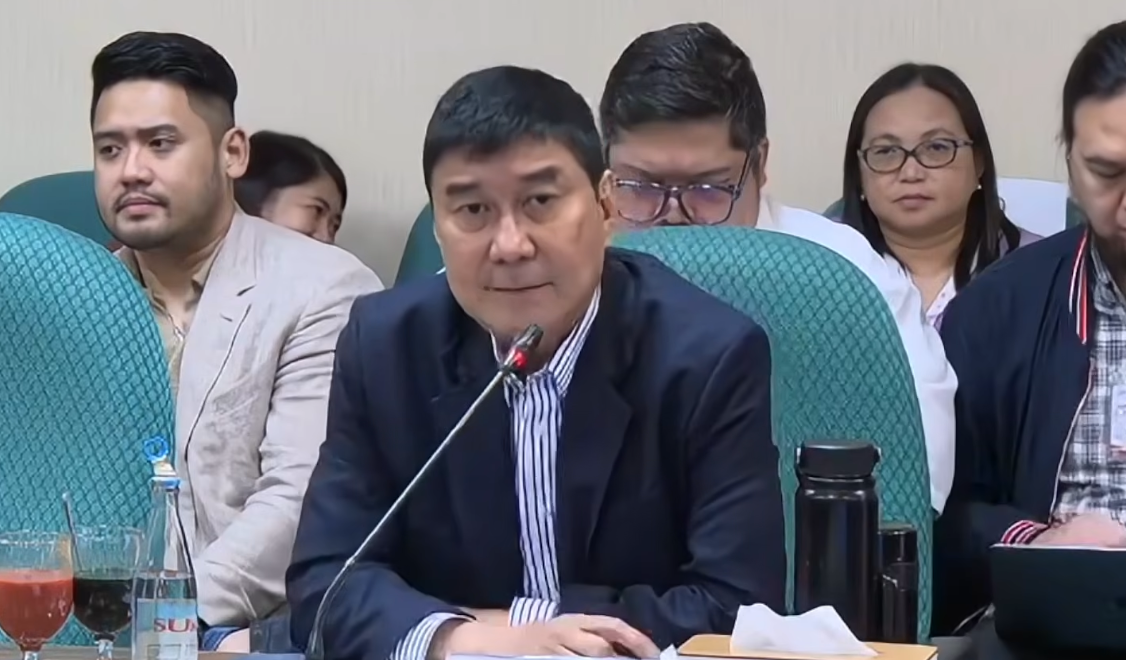
Senator Raffy Tulfo on Friday accused the Department of Health (DOH) of lying when it said that some expired medicines have been returned as the senator showed images of some of them being "buried."
This, as Tulfo showed images of the supposed expired medicines being buried during the Senate Finance Committee’s hearing on the DOH’s proposed 2027 budget.
“Pinabaon yung mga gamot by the hundreds of millions. At meron pa pang disposal committee na binuo. So, bakit kayo nagsisinungaling sa taong bayan?”
(Medicines worth hundreds of millions were allowed to go to waste. A disposal committee was even formed. So, why are you lying to the public?)
“Since I became senator…. Bakit walang palya na nagkakaroon ng mga gamot na nag-e-expire? Not only by the hundreds of millions, but by the billions of pesos. Bakit nangyayari ito?”
(Since I became senator, why is it that medicines keep expiring without fail? Not only by the hundreds of millions, but by the billions of pesos. Why does this happen?)
Senator Raffy Tulfo on Friday accused the Department of Health (DOH) of misleading the public about the return of expired medicines to manufacturers, saying he has proof that some expired drugs were instead buried. @gmanews pic.twitter.com/RXsJufXH7L
— Sherylin Untalan (@untalansherylin) September 4, 2026
DOH Undersecretary Gloria Balboa, however, said during the hearing that she was "unaware" of this.
“Wala po akong aware doon sa pinabalik na nag-e-expire. ’Yun lang pong near expiry ang alam po namin na nasa TOR na kailangan po nilang palitan bago mag-expire,” she noted.
(I am not aware of those that were returned because they were expiring. What I know is that the near-expiry stocks are covered by the terms of reference requiring suppliers to replace them before they expire.)
Tulfo said the recurring expiration of medicines was particularly troubling amid reports of shortages in health facilities.
“Samantalang maraming health centers tayo na sumisigaw na kulang sila sa gamot. Maraming mahihirap nating kababayan ang namamatay na dahil hindi nakararating sa kanila ‘yung mga gamot that they deserve,” he stated.
(Meanwhile, many of our health centers are crying out that they lack medicines. Many of our poor countrymen are already dying because the medicines they deserve do not reach them.)
Kickbacks?
Tulfo also questioned the DOH’s procurement practices, alleging that some suppliers may have been favored in purchases involving medicines that were already nearing expiration.
“Bakit? Kasi nga, anong nangyari, bumibili kayo ng pinapaboran na supplier na mag-e-expire na, kaya mura-mura. And of course magkakaroon ng kickback…” he said.
(Why? Because what happened was that you buy from a favored supplier whose medicines are about to expire, so they’re cheaper. And of course there will be a kickback…)
He pressed the DOH to produce documents showing that medicines nearing expiration had been returned to suppliers and replaced.
“Nasaan ang resibo na ‘yun ay sinoli, yung mga nag-e-expire na sinasabi n’yong by the hundreds of millions na pinapalitan?”
(Where are the receipts showing that the medicines that were expiring, which you said amounted to hundreds of millions of pesos, were returned and replaced?)
DOH: Expiry problem is a systems issue
Balboa, meanwhile, said that the recurring expiration of medicines was a systems problem involving planning, forecasting, procurement, supply chain and delivery.
“Ito kasing issue ng expired, sa expiry, eh parang it’s a systems problem.”
(This issue involving expired medicines seems to be a systems problem.)
Balboa explained that medicine requirements are forecast in advance, but delays or failed procurements could disrupt the original plan and cause stocks to accumulate.
She said medicines are supposed to have an 18-month shelf life upon delivery. However, medicines with shorter remaining shelf lives may be accepted under certain conditions, subject to a supplier guarantee that they would be replaced before reaching expiration.
P217M expired medicines
Acting Health Secretary Edwin Mercado said DOH data showed that expired stocks in 2025 were worth about P217 million, while near-expiry stocks amounted to P477 million.
Tulfo described the expired stocks as a waste of public funds, particularly amid reported shortages of medicines in some health facilities.
“’Yun na naman ’yung pera ng taumbayan na sayang na ibinaon sa lupa,” he said.
(That’s again taxpayers’ money being wasted and buried in the ground.)
Tulfo recalled visiting an island in Bohol where a barangay official told him their health center had not been receiving enough medicines.
“Sir, nagulat kami nang mapakinggan namin na daan-daan milyon ang nag-e-expire na gamot, samantalang sa amin wala pong nakarating.”
(Sir, we were shocked to hear that hundreds of millions of pesos worth of medicines were expiring, while none were reaching us.)
Tulfo said he intends to seek a Senate Blue Ribbon Committee investigation into the matter and asked the DOH to provide historical data on medicine stocks that had expired in previous years.
“Kaya sabi ko recommend magpe-please speech ako para ito ay meron po sa blue ribbon at maimbestigahan ’to.”
(That’s why I said I would recommend through a privilege speech that this be taken up by the Blue Ribbon Committee for investigation.)
He also called for accountability if wrongdoing is established.
“Dapat may managot talaga,” he noted.
(There should really be accountability.)
Tulfo said the problem should no longer recur after years of discussions during budget hearings.
“Wala nang mag-e-expire na gamot. Kung meron mang mag-e-expire, huwag naman daan milyon.”
(There should be no more medicines expiring. And if some do expire, it should not be worth hundreds of millions.)
Supply chain
Mercado said the DOH was reviewing its procurement and supply-chain systems to prevent medicine wastage.
Among the measures being considered is strengthening PhilHealth’s role in purchasing medicines and commodities, while the department has also moved toward more decentralized procurement.
Mercado said about 40% of medicines are still procured centrally, while 60%—particularly common essential medicines available locally—are procured through the DOH’s Centers for Health Development.
The department is also looking at improving its information technology system for inventory management.
Senate Finance Committee chairperson JV Ejercito, meanwhile, said medicine procurement was a major concern and suggested examining a prescription-based procurement system as one possible approach. —VAL, GMA News

