

 GMA Brandtalk
 Tracking
 Archives

ICC prosecution: Verify open-source materials on a case-by-case basis
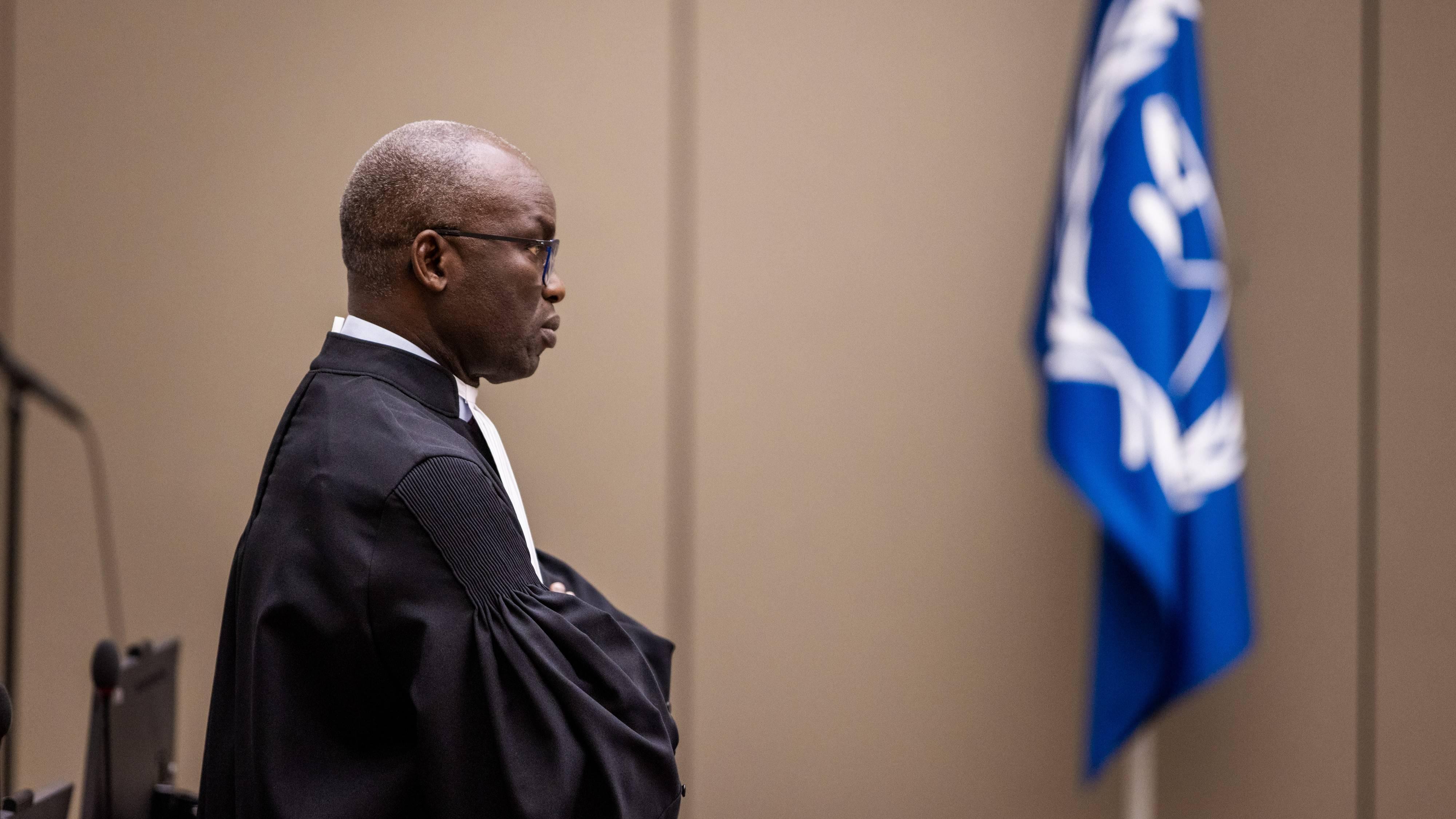
After the defense team of former President Rodrigo Duterte asked the International Criminal Court (ICC) to require expert verification for open-source materials, the prosecution urged Trial Chamber III to reject the request, saying the need for such verification should be determined on a case-by-case basis.
In a document dated September 9 and posted on the ICC website, ad interim Prosecutor Mame Mandiaye Niang opposed the defense’s request to amend the E-Court Protocol.
“Open-source and user-generated evidence are extremely broad categories of documents that capture numerous types of evidence. As such, whether open-source or user-generated evidence requires an accompanying expert report should be determined on case-by-case basis by the submitting party that has the burden of establishing its relevance, probative value and assessing its potential prejudicial effect,” Niang said.
“It is unreasonable, unnecessary and against the interests of judicial efficiency, to require an expert report to accompany all forms of open-source and user-generated evidence,” he added.
On September 4, Duterte’s defense team asked the ICC chamber to amend the E-Court Protocol regarding open-source materials.
Duterte’s counsel Peter Haynes argued that the prosecution’s evidence had ballooned since the charges were confirmed, increasing from around 5,000 items to 25,000.
Haynes said the evidence reviewed by the defense so far was of “poor quality,” alleging that some were duplicates. He also said that, amid rampant “fake news” surrounding the case, merely providing a URL was not enough to verify the authenticity of an item of evidence.
“The Defense is deeply concerned that the quality and quantity of the evidence in this case risks flooding the record with unreliable and/or irrelevant material,” Haynes said.
“It is proposed that such expert verification reports, which can cover multiple items of evidence, should always accompany open-source and user-generated evidence submitted to the Chamber in the present case,” he added.
Niang, however, said the defense’s proposed amendment would require an expert report for all forms of open-source materials. Given the broad range of materials that may fall under the category, he said the need for expert verification should instead be assessed separately for each item.
For example, publicly available reports from organizations such as the United Nations and Human Rights Watch, as well as reputable news publications, should not automatically require expert evidence, Niang said.
“Chambers of this Court have consistently allowed the submission of open-source evidence of this nature without the need for an accompanying expert report,” Niang said.
The prosecution acknowledged that the court must remain vigilant in assessing open-source material amid the rise of artificial intelligence and online disinformation, but said the response should be proportionate to the risks. — VBL, GMA News

