

 GMA Brandtalk
 Tracking
 Archives

In updated NDC, PH promises to cut more carbon emissions on its own
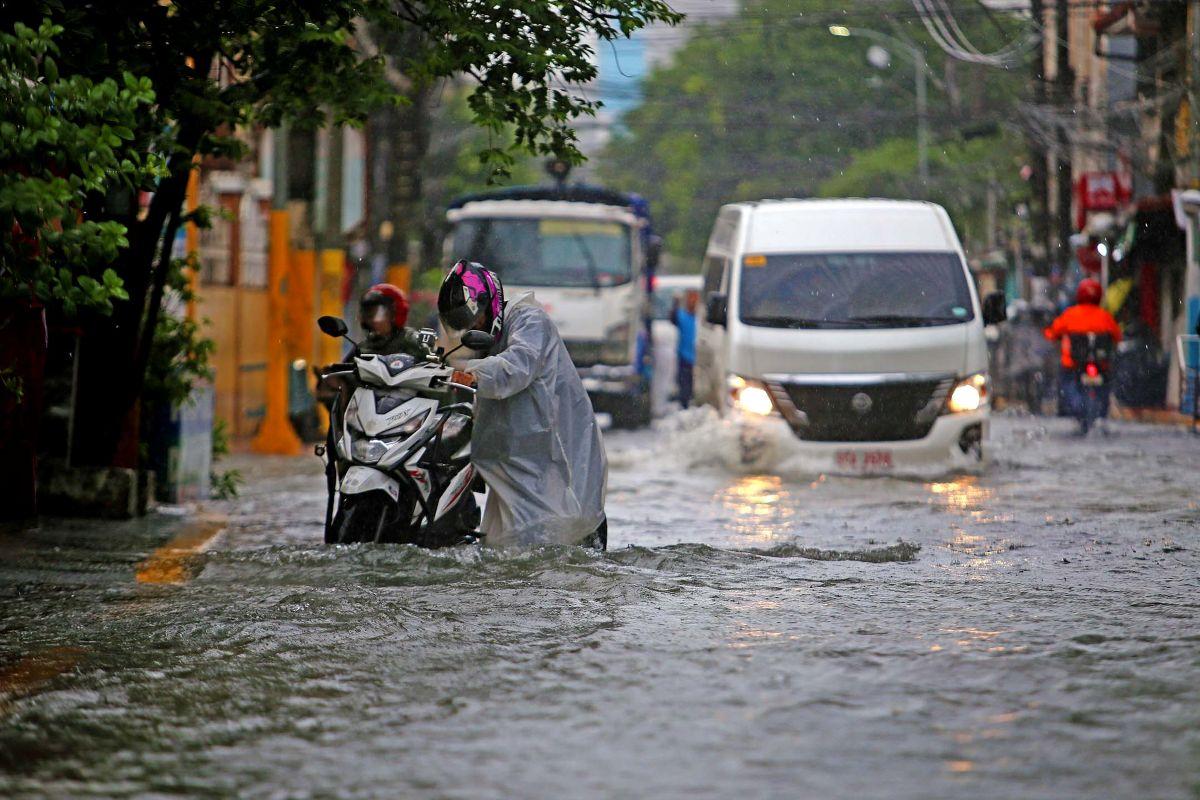
The Philippines has finally updated its Nationally Determined Contribution (NDC) to the United Nations, recommitting 75% emissions reduction and adjusting its unconditional emissions reduction targets from 2.1% to 7%. The remaining 68% are conditional.
Unconditional targets are emissions reduction the country plans to do on its own, while the remaining 68% conditional reduction targets remain reliant on international support.
NDCs are climate pledges that parties to the 2015 Paris Agreement need to submit to the United Nations every five years.
While the Philippines' latest NDC came late (countries were scheduled to submit in 2025), its increased unconditional commitment of 7% is regarded as a "massive improvement" among onlookers and experts.
"This is not only a welcomed sign in implementing more solutions to mitigate emissions, but also as a sign of commitment to accountable and good governance," Aksyon Klima Pilipinas (AKP) said in a statement.
According to the 2026 NDC, the emissions reduction covers energy, transport, agriculture, waste, and forestry and other land use sectors, as well as industrial processes and product use, reflecting "an economy-wide scope in determining overall addition and consistency with national greenhouse gas inventory arrangements."
But while the 2026 NDC "trends in the right direction," AKP highlights the pertinent fact that "our country’s capacity to implement its own solutions have been depleted in recent years by corruption, as evidenced by the flood control scandals."
"Through this lens, a higher unconditional target also means there must be higher allocations in the 2027 national budget and beyond to ensure proper implementation of identified NDC solutions – from nature-based solutions (NbS) to improved energy efficiency and conservation," it said.
Meanwhile, Gerry Arances, Executive Director of the Center for Energy, Ecology, and Development sounded the alarm "that the Philippine government’s nationally determined contributions (NDC) do not include a concrete commitment to phase out fossil fuels."
"This is a severe misalignment not only from international commitments to mitigate global temperature rise below 1.5℃, but also from the government’s duty to ensure the climate survival of Filipinos," he continued, adding how the latest report from the United Nations Environment Programme said the world is set to overshoot the 1.5C goal with best case scenarios now pegged at 1.8C.
"With the transition away from fossils being non-negotiable to combating the climate crisis, the government’s lack of firm commitment to phase out fossil fuels signals less than minimal efforts to protect our communities and to contribute to the global struggle," Arances said.
But in the 2026 NDC, the country admitted adaptation, instead of mitigation, remains its priority, as it only has a "minimal contribution to global GHG emissions."
According to Our World in Data, the Philippines emitted a total of 175 million tonnes of CO2 in 2024 — or just some 0.45% of the world's CO2 emissions of the same year.
It's paltry compared to China's 12.3B, or Europe's 4.88B.
In its statement, AKP echoes Arances and CEED, saying a missing element "from the 2026 NDC is a decarbonization pathway aligned with the long-term goal of the Paris Agreement to limit warming to 1.5°C."
"Having this pathway is the benchmark with which we assess the implementation of the nation’s climate strategies - not just the NDC, but also in other areas of climate work, such as carbon markets and just transition," it added.
Says AKP, "stating the pursuit of 'low-carbon development" is impossible "without leaving fossil fuels behind."
Sustina co-founder Anna Reyes goes back to the ratio of 7% unconditional against 68% condition and says it is a little mind-boggling. "I don’t know how to read that as anything other than a decision to do the minimum domestically and frame the rest as someone else’s responsibility." — GMA News

