
 GMA Brandtalk
 Tracking
 Archives


DepEd using data-driven criteria in determining classroom allocation —Angara
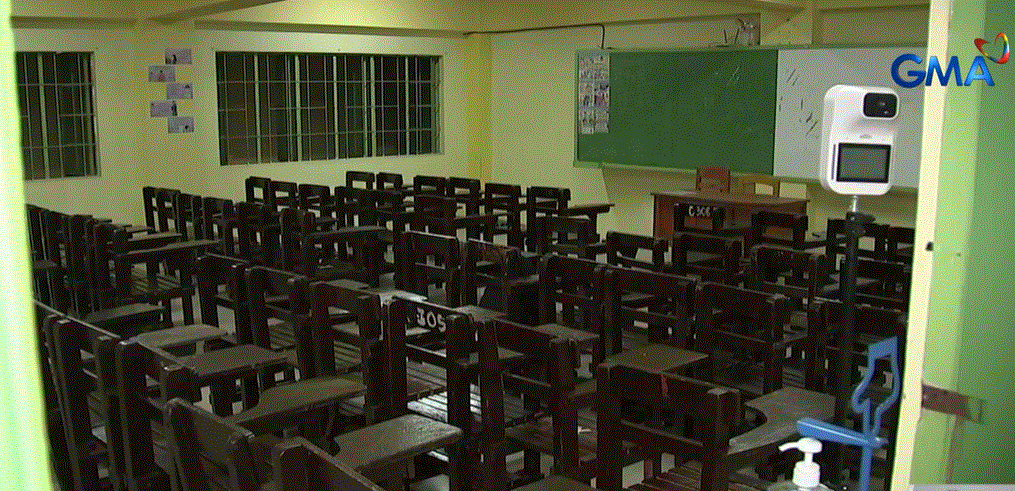
The Department of Education is using data-driven criteria in its construction strategy to determine classroom allocations according to school needs, DepEd Secretary Sonny Angara said.
Angara made the statement as he acknowledged the report of the Second Congressional Commission on Education (EDCOM 2) on gaps in allocations for local government units (LGUs) with the highest estimated classroom shortages based on initial 2026 allocations.
The Education department said its classroom needs assessment and validated school-site priorities serve as basis for identifying projects to implement, including those through partnerships with qualified LGUs, as per DepEd Memorandum No. 038, s. 2026.
“We share the same mission with EDCOM. Through strategic partnerships with qualified LGUs, we ensure that resources go directly to where our schools and learners need them most,” Angara said Thursday.
“Ang alokasyon natin para sa mga silid-aralan ay dapat direktang tumutugon sa mga eskwelahang pinakamatindi ang pangangailangan. Kailangan naka-base sa tunay na datos ang ating mga desisyon para bawat pisong inilalaan natin, tunay na nararamdaman sa ating mga paaralan," he said.
(Our allocations for classrooms should directly meet the needs of schools with the greatest needs. Our decisions should be based on valid data so each peso allocated will be felt in our schools.)
DepEd said they will continue to weigh the severity of shortages, site readiness, project feasibility, and implementation timelines in deciding on classroom allocations.
It is deploying a multi-pronged strategy integrating Department of Public Works and Highways (DPWH)-led construction, LGU partnerships, Public-Private Partnerships (PPPs), DepEd Learning Continuity Spaces (LCS),
and collaborative initiatives with both government and private sector organizations.
The DepEd said allocations cover 439 LGUs, 1,955 schools, and 8,777 classrooms nationwide under the current LGU-led classroom construction initiative.
"This infrastructure rollout spans 81 provincial LGUs accounting for 4,043 classrooms across 1,022 schools, 127 city LGUs covering 3,123 classrooms across 468 schools, and 231 municipal LGUs encompassing 1,611 classrooms across 465 schools," it added.
DepEd also had agreements with Philippine Amusement and Gaming Corporation (PAGCOR) and 48 LGUs which led to 576 classrooms to be built in priority communities.
The department said it requires regular physical and financial progress reporting, technical validation, and monitoring protocols across division, regional, and central office levels to strengthen transparency and accountability.
“To truly deliver for our learners, we need a transparent and evidence-based approach. It is the only way to ensure that available resources are directly translated into classrooms where they are needed the most,” Angara said. —KG, GMA News

