

 GMA Brandtalk
 Tracking
 Archives


China rocket causes 'space jellyfish' over Palawan, WPS
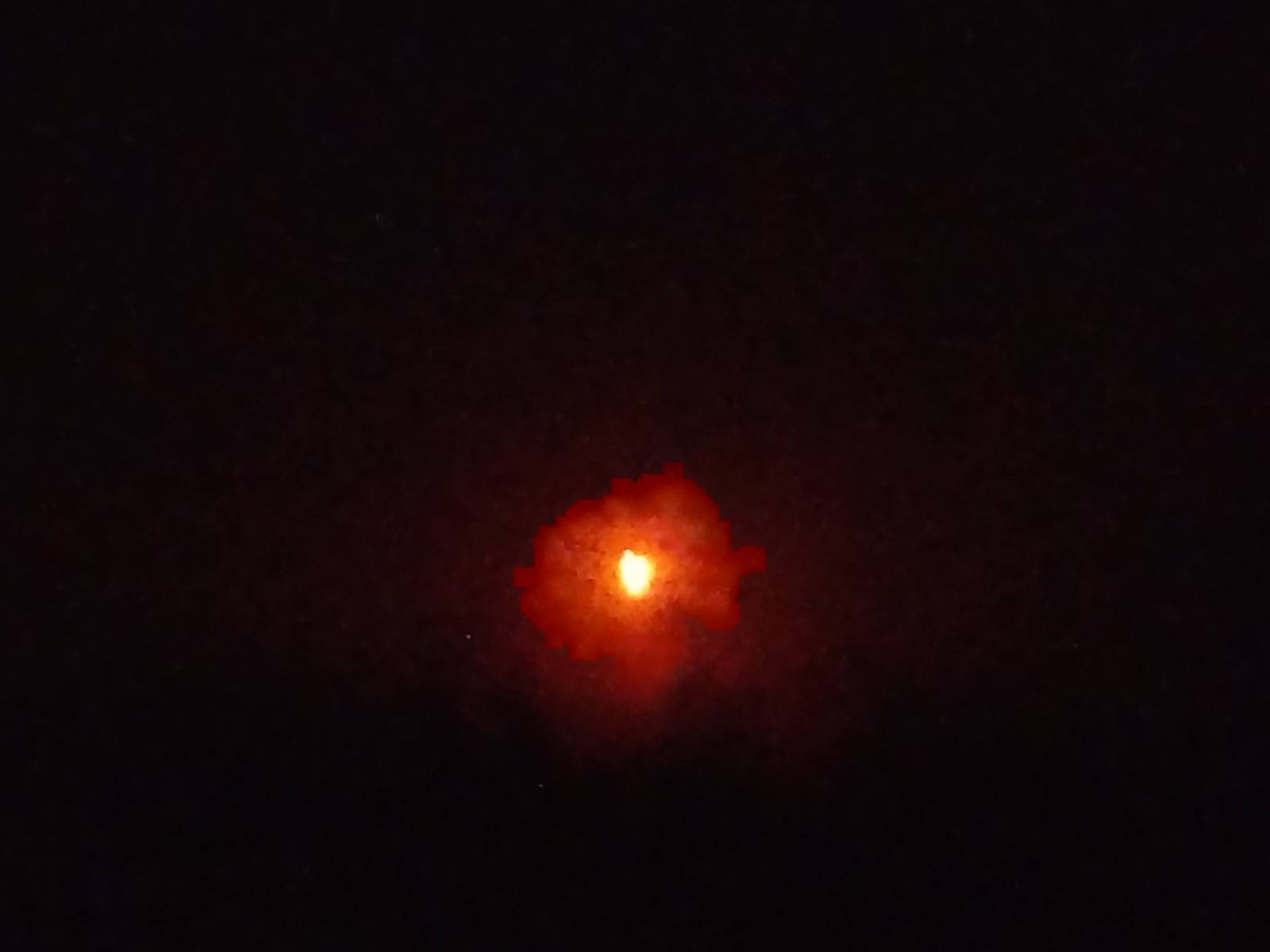
The launch of a Chinese rocket caused a "space jellyfish" to appear over Puerto Princesa City and several islands in the West Philippine Sea (WPS) on Monday, the Philippine Navy said.
In a statement, the Naval Command West (NCW) said all its units and assets were placed on heightened alert as part of its precautionary measures.
"All Philippine Navy units and assets under the Command were placed on heightened alert status to ensure operational readiness and facilitate the immediate reporting and assessment of any potential incidents within the Command's area of operations," the NCW said.
READ: What is a space jellyfish?
China's Long March-12 rocket was launched from the Hainan International Commercial Launch Center in Wenchang, Hainan at 4:24 a.m. on Monday, according to the Command.
At 4:33 a.m., personnel in Puerto Princesa City observed a bright, cone-shaped, and luminous vapor trail moving from the northwest toward the southeast, accompanied by a bright red-orange streak of light.
The phenomenon, which remained visible for around one minute and 29 seconds, is commonly referred to as a "space jellyfish."
At around 4:37 a.m., observers also reported hearing a loud explosive sound, followed by two lower-intensity sounds at around 4:38 a.m. and subsequent rumbling.
The Navy said these sounds were assessed to be potentially linked to the rocket's ascent and atmospheric flight.
Similar sightings were reported by personnel stationed in several Philippine-held islands in the WPS.
At Lawak and Patag Stations, personnel spotted white luminous trails approximately 60 to 70 nautical miles east of their respective locations.
At Likas Station, a faint white light was seen about 100 nautical miles northeast.
At Rizal Reef Station, personnel spotted a white luminous trail approximately 80 nautical miles east-southeast of the station. The object was estimated to be 4,500 to 5,500 feet above sea level and was seen moving southeast before disappearing.
At Tubbataha Station, meanwhile, personnel observed a bright luminous object approximately 19 nautical miles from their location.
The NCW said the space jellyfish phenomenon "was likely caused by the expansion of rocket exhaust gases at high altitude, illuminated by sunlight while observers on the ground remained in darkness."
"Such visual effects are commonly associated with rocket launches conducted during pre-dawn or twilight conditions."
The Command said it was maintaining coordination with partner government agencies, coastal communities, and local fisherfolk to strengthen information-sharing.
This is to ensure the timely reporting of suspected rocket debris, falling objects, and other related maritime and aerial incidents.
"The Naval Command West emphasizes the importance of sustained vigilance amid developments involving rocket launch activities in the region," the NCW said.
"The Command remains steadfast in safeguarding the country's maritime interests and ensuring the safety of communities and personnel through inter-agency cooperation, continuous monitoring, and a proactive maritime security posture," it added. —VAL, GMA News

